 listicle
Best Mold Remediation Companies: Houston Guide
Last Updated: October 22, 2026
Quick Summary
The best mold remediation companies houston combine 24/7 emergency response, licensed and insured technicians, comprehensive inspection with independent testing, and direct insurance claims support. Top local providers like Disaster Services, SERVPRO, Lone Star Pro Services, and One Touch Remediation handle water damage and mold removal together, preventing recurrence by addressing moisture sources.
- Mold grows fastest in the first 48 hours after water intrusion, so same-day response prevents exponential spread.
- Verify licensing through the Texas Department of Licensing and Regulation and confirm general liability and workers compensation insurance before hiring.
- Request itemized estimates separating assessment, containment, removal, cleaning, drying, verification, and repairs so you can compare quotes accurately.
- Post-remediation verification with independent testing should be included, not optional, to confirm the problem is actually resolved.
- Get at least three written bids with the same scope information and ask each contractor to explain what is included and excluded.
Table of Contents
- Top Mold Remediation Companies in Houston
- How to Choose a Mold Remediation Company
- Mold Remediation Cost: What to Expect
- How Long Does Mold Remediation Take
- What to Include in a Mold Remediation Estimate
- Red Flags and How to Avoid Common Mistakes
- Frequently Asked Questions
Top Mold Remediation Companies in Houston
When mold damage strikes, response time matters, hours versus days can determine whether the problem stays contained or spreads. Finding the right mold remediation companies houston means knowing what separates reliable local operators from those who cut corners on inspection, containment, or insurance support. We've analyzed the major providers serving the area on verified licensing, transparent inspection, real emergency availability, and genuine insurance claim support.
Disaster Services: 24/7 Emergency Response and Full Restoration
Disaster Services handles the entire process, from inspection through rebuilding, without handing you off to multiple contractors, valuable when water damage has already triggered mold growth. Licensed and insured technicians coordinate water extraction, structural drying, and mold remediation as one project and document damage with your adjuster.
SERVPRO of Downtown Houston, Central North and Central East: Round-the-Clock Inspection and Cleanup
SERVPRO's franchise model means consistent processes and 24/7 availability across multiple Houston locations, with both mold inspection and remediation handled under one roof.
Mold grows fastest in the first 48 hours after water intrusion. A company that answers at 3 AM and dispatches crews the same day prevents the exponential spread that turns a manageable problem into a structural nightmare.
Lone Star Pro Services: Mold and Water Damage Combined
Lone Star Pro Services combines certified mold removal with water damage mitigation, addressing the root cause rather than the symptom.
Fast local response means the team understands Houston's climate: humidity that promotes mold growth, flooding after heavy rain, and moisture lingering in crawl spaces and attics long after visible water disappears.
One Touch Remediation and Restoration: Professional and Punctual Service
Customer feedback consistently highlights professionalism and punctuality, which matter when you're already dealing with property damage stress. The team also has documented experience with garage restoration and other complex projects. Showing up when promised is basic, but it separates reliable operators from those who leave you waiting while damage spreads.
How to Choose a Mold Remediation Company
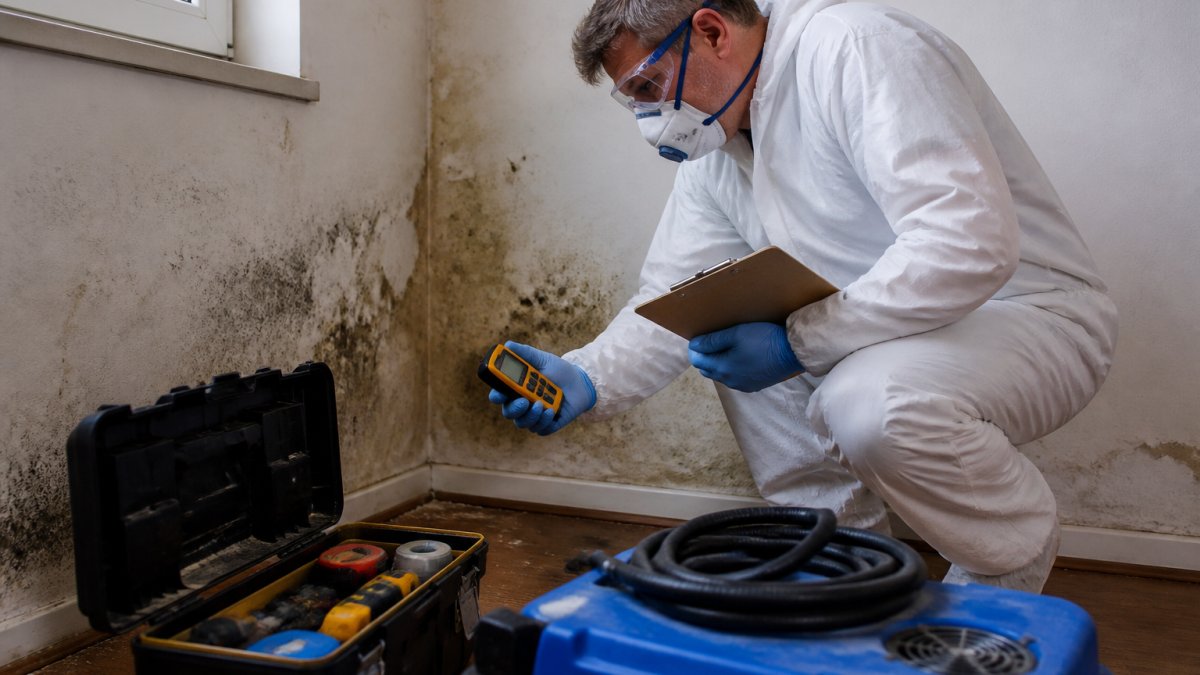
Choosing the wrong contractor costs time and money. Rushed inspection, skipped containment, or incomplete documentation leaves you vulnerable to recurring mold or claim denials.
Verify Licensing and Insurance
Texas requires mold remediation contractors to hold proper licensing through the Texas Department of Licensing and Regulation (TDLR). Insurance is equally critical: general liability and workers' compensation coverage protect you if someone is injured on your property or inadequate work causes secondary damage.
Ask for proof of both, a legitimate company provides it without hesitation.
Check Response Time and Availability
A company claiming 24/7 availability should answer calls at night and on weekends, call their emergency line during odd hours before hiring. Ask how long before crews typically arrive; 24 hours is too slow for active mold growth.
Availability also means enough staff to handle multiple jobs. If they're always booked weeks out, they're overwhelmed or overstating capacity.
Review Inspection and Testing Methods
This is where conflicts of interest emerge. Some companies profit from finding more mold, aggressive testing, worst-case reports, extensive remediation. Others minimize findings to keep costs down. Legitimate inspection uses industry-standard methods: visual assessment, moisture mapping, air quality testing, and bulk sampling when needed. Ask whether they use independent testing labs or in-house analysis; independent labs provide more credible results.
Confirm Insurance Claims Support
Ask specifically: Will they document damage for your adjuster? Will they communicate directly with insurance? Will they help dispute low settlement offers?
Many companies leave claims navigation to you. The best ones actively support the process, knowing proper documentation increases approval rates and claim amounts, directly reducing your out-of-pocket costs.
Mold Remediation Cost: What to Expect
Most mold remediation quotes are built from a handful of cost drivers, not a single square-foot rate. The four biggest:
- Affected area and material type. Porous materials such as drywall, insulation, and carpet usually have to be removed and discarded; semi-porous materials like concrete or framing can often be cleaned and dried in place. A small patch behind a baseboard is a different job from mold across an attic deck or inside wall cavities.
- Access and containment complexity. A closet-sized area can be sealed with plastic sheeting and one negative air machine. Isolating a second floor, a crawl space, or a room with return-air vents requires more containment, filtration, and labor hours.
- Moisture source correction. Remediation that removes mold without fixing the leak, condensation, or humidity problem is a temporary fix. Quotes should separate water-source repair (plumbing, roof, HVAC, drainage) from mold removal, since different trades often perform the two.
How Quotes Are Typically Structured
A useful estimate separates the job into phases so you can see what each dollar buys:
| Phase | What It Covers | What to Confirm |
|---|---|---|
| Assessment | Visual inspection, moisture mapping, photos, written scope | Whether lab sampling is included or billed separately |
| Containment | Barriers, negative air pressure, HEPA filtration, worker protection | Number of air changes and containment duration |
| Removal | Demolition of affected porous materials, bagging, disposal | Disposal fees and dumpster costs included |
| Cleaning | HEPA vacuuming, antimicrobial or detergent cleaning of salvageable surfaces | Product type and whether it leaves residue |
| Drying | Dehumidification and air movement if moisture remains | Daily equipment charges and target moisture levels |
| Verification | Post-remediation inspection and any clearance testing | Who performs it and whether it is independent |
| Repairs | Drywall, paint, trim, and finish restoration | Whether repairs are in-house or subcontracted |
When a bid collapses all of that into one lump sum, you cannot tell whether containment, drying, or verification was skipped to hit a lower number.
What Drives the Final Bill Up or Down
Several factors move the price more than homeowners expect:
- Hidden mold. Mold behind cabinets, under flooring, or inside wall cavities is only found after opening the structure. A responsible contractor prices the visible scope and writes a change-order process for concealed conditions rather than lowballing and surprising you later.
- HVAC involvement. If the air-handling system or ductwork is contaminated, the scope expands significantly because the system must be isolated and cleaned without spreading spores to unaffected rooms.
- Contents handling. Furniture, clothing, and stored items may need to be cleaned, packed out, or discarded. Ask whether contents cleaning is included.
Getting Comparable Bids
Request at least three written estimates and insist each itemizes the phases above. Give every contractor the same information: inspection findings, areas of concern, and any lab results you already have. When bids differ widely, ask each to explain what is included and excluded, the lowest bid is often lowest because containment, drying, or verification was left out.
Insurance and Out-of-Pocket Costs
Whether insurance pays depends on the cause. Mold from a sudden, accidental event, a burst supply line, a washing-machine failure, a storm-driven roof leak, is more likely to be covered than mold from long-term neglect, repeated condensation, or an unaddressed slow leak. Read your policy's water-damage and mold exclusions before work begins, and ask each contractor whether they will document the loss in a format your adjuster can use.
How Long Does Mold Remediation Take
Timeline depends on affected area size and mold extent. A small isolated problem might resolve in one to two days; extensive mold affecting multiple rooms or structural areas can take one to two weeks or longer. Proper remediation isn't rushed: crews seal affected areas, establish negative air pressure to prevent spore spread, remove contaminated materials carefully, and verify success before reopening.
What to Include in a Mold Remediation Estimate
A solid estimate breaks the work into clear sections so you can compare quotes accurately.
Scope of Work and Affected Areas
The estimate should specify exactly which areas require remediation: attic, crawl space, walls, flooring, or other locations. Square footage matters, a 500-square-foot attic costs less than a 2,000-square-foot space. Clarity here prevents surprises when crews discover additional damage and suddenly the bill jumps.
Testing, Assessment, and Containment
Separate line items for inspection, moisture mapping, air quality testing, and containment setup. Containment costs vary by complexity, sealing a basement corner differs from isolating an entire second floor, so the estimate should explain the approach.
Removal, Cleanup, and Post-Remediation Verification
Removal labor, material disposal, cleaning and disinfection, and final testing should all appear separately. Post-remediation verification, the step confirming mold is actually gone, shouldn't be an afterthought or optional add-on. It's essential and should be included.
| Estimate Component | What It Should Include | Red Flag If Missing |
|---|---|---|
| Scope of Work | Specific affected areas and square footage | Vague descriptions like "mold in house" |
| Testing & Assessment | Inspection, moisture mapping, lab costs | Only mentions visual inspection |
| Containment | Barrier setup, negative air pressure details | No containment mentioned |
| Removal Labor | Hourly rates or flat fees for extraction | Single lump sum for all work |
| Cleanup & Disinfection | Materials and labor for sanitization | Glossed over or missing entirely |
| Post-Remediation Verification | Final testing to confirm success | Listed as optional or extra cost |
Red Flags and How to Avoid Common Mistakes
The fastest way to avoid a bad remediation experience is to evaluate contractors against a written checklist before you sign anything.
A Contractor Evaluation Checklist
Use the same checklist for every bid so the comparison is fair:
- Licensing. Ask for the company's mold remediation license number and verify it directly with the state licensing agency that regulates mold contractors. Confirm the license is active and that the name on the license matches the company bidding the job.
- Insurance. Request a certificate of insurance showing general liability and workers' compensation coverage. Call the insurer to confirm the policy is current. If a worker is injured on your property and the contractor is uninsured, the exposure can land on you.
- Written scope of work. The bid should state which rooms and materials are affected, how containment will be built, how long drying will run, and what verification will be performed. Verbal scopes are not enforceable.
Conflicts of Interest Between Testing and Remediation
A structural conflict exists when the same company diagnoses the problem, prescribes the remedy, and confirms the work is complete. That doesn't make every dual-service company dishonest, but build in a check:
- Separate diagnosis from removal when the stakes are high. For a large or disputed loss, hire an independent inspector, one who does not perform remediation, to document the extent of mold and the moisture source.
- Use that report as the scope. Give the same inspection report to every remediation bidder so they price the same work.
- Require independent clearance. After remediation, have a party that did not perform the removal confirm that moisture is corrected and the work area passes visual and, where appropriate, sampling criteria.
For small, clearly visible problems, a single company handling both inspection and removal can be reasonable, but ask them to document findings with photos and moisture readings so the basis for the scope is visible.
Texas-Specific Credentials and How to Verify Them
Mold remediation contractors in Texas are regulated at the state level, and the licensing agency maintains a public lookup you can search by name or license number. Before hiring:
- Confirm the license is active and belongs to the company, not just an individual employee.
- Ask whether the individuals performing the work hold the required credentials and whether the company carries the insurance the state requires.
- Keep a copy of the license and insurance certificate with your contract.
Verification takes minutes and eliminates operators who cannot produce credentials on request.
Documentation and Guarantees
Legitimate contractors document the job start to finish: pre-work photos, moisture readings, the written scope, daily progress notes, disposal records, and post-remediation verification results. That package protects you if you sell the home, file or reopen an insurance claim, or need to enforce a warranty.
Frequently Asked Questions
How do I choose a mold remediation company in Houston?
Start by verifying the company holds a valid license and insurance. Check response time, 24/7 availability matters during emergencies. Request references from recent projects and review customer feedback on independent platforms. Ask about their inspection and testing methods to ensure they're not inflating the scope of work. Finally, confirm they offer insurance claims support, as this reduces your stress during the restoration process.
What's the difference between mold inspection and mold remediation?
Mold inspection and testing identify whether mold is present, where it's located, and what type it is. A certified inspector uses equipment like moisture meters and air sampling to assess the extent. Mold remediation is the actual removal and cleanup process. Some companies do both; others specialize in one. To avoid conflicts of interest, consider having the inspection done by a third-party professional before hiring a remediation contractor.
How long does mold remediation take?
Timeline depends on the size of the affected area and the extent of damage. Small, isolated mold problems may take a few days. Larger infestations affecting multiple rooms or structural materials can take one to three weeks. The process includes containment, removal, drying, disinfection, and post-remediation verification. Your contractor should provide a detailed timeline in the estimate and communicate any delays promptly.
What should a mold remediation estimate include?
A thorough estimate lists the affected areas, square footage, and materials involved. It breaks down costs for inspection, containment, removal, drying, disinfection, and post-remediation testing. It should specify whether structural repairs are included and outline any additional services like dehumidification or air scrubbing. The estimate should also note the timeline, warranty or guarantee period, and whether the contractor will handle insurance paperwork and claims documentation.
Does homeowners insurance cover mold remediation?
Coverage depends on the cause. If mold results from sudden water damage, burst pipes, storm damage, or fire, your homeowners policy typically covers remediation. If mold develops from ongoing moisture issues or neglect, insurance usually won't pay. Review your specific policy and contact your adjuster immediately after discovering mold. A reputable remediation company can help document the damage and file the claim.