 listicle
Rapid Response Alternative for Businesses: 2026 Guide
Table of Contents
- Why Businesses Need a Rapid Response Alternative
- Commercial Restoration Companies: What to Look For
- 24/7 Emergency Restoration for Businesses: Why Response Time Decides the Outcome
- Restoration Company Comparison Checklist
- Building a Disaster Response Plan for Businesses
- How Disaster Services Compares as a Rapid Response Alternative
- Frequently Asked Questions
Last Updated: October 9, 2026
Why Businesses Need a Rapid Response Alternative
When a pipe bursts at 2 a.m. or floodwater creeps across a warehouse floor, the difference between a contained incident and a catastrophic loss comes down to hours. A rapid response alternative for businesses is any restoration provider that can mobilize trained crews around the clock, rather than leaving property owners waiting on a single national vendor's dispatch queue. This guide from Disaster Services breaks down what commercial property owners in the Greater Houston area should evaluate before the next storm or burst pipe forces the decision for them, and how to compare providers on response time, scope, and insurance support rather than marketing claims alone.
Most commercial restoration companies advertise 24/7 availability. Far fewer can actually staff a crew within the first few hours of a call during a regional event, when every provider in the area is stretched thin. That gap between the promise and the reality is where businesses lose the most money.
FEMA's guidance on commercial flood preparedness notes that businesses without a documented response plan recover far more slowly after a disaster than those with one in place before the event.
Commercial Restoration Companies: What to Look For
Commercial restoration companies differ from residential outfits in equipment capacity, insurance documentation, and the ability to work around an operating business. When evaluating a rapid response alternative, look for these markers first:
- Around-the-clock dispatch, not an answering service that routes calls the next morning
- Certified technicians trained in water extraction, structural drying, and smoke remediation
- Direct insurance coordination, so you're not translating between the crew and your adjuster
- Local ownership, which usually means faster arrival than a franchise dispatching from another region
Disaster Services, for example, is locally and family owned and operated in the Greater Houston area, which means crews are already in the region when storms hit rather than driving in from out of state. That local footprint matters more than a national brand name when roads are flooded.
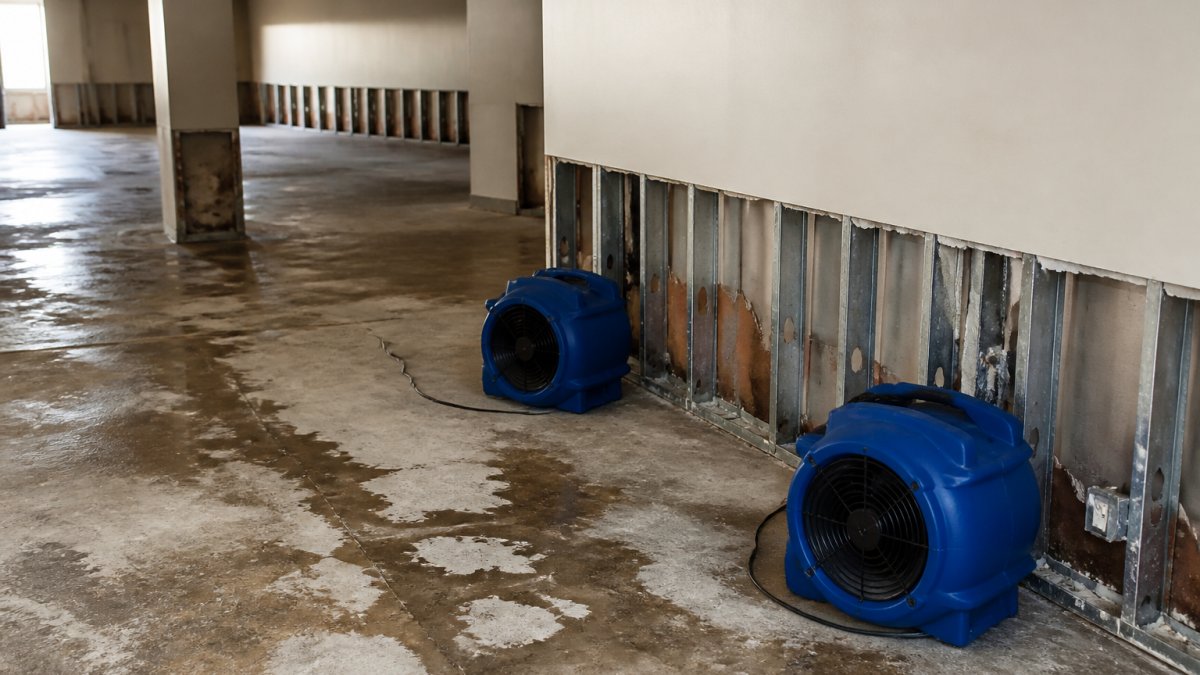
What most guides miss is that equipment capacity varies enormously between providers. A company with two extraction units cannot dry out a 40,000-square-foot warehouse in the same timeframe as one with a full fleet. Ask how many crews and how much drying equipment a provider can commit to your property on day one.
24/7 Emergency Restoration for Businesses: Why Response Time Decides the Outcome
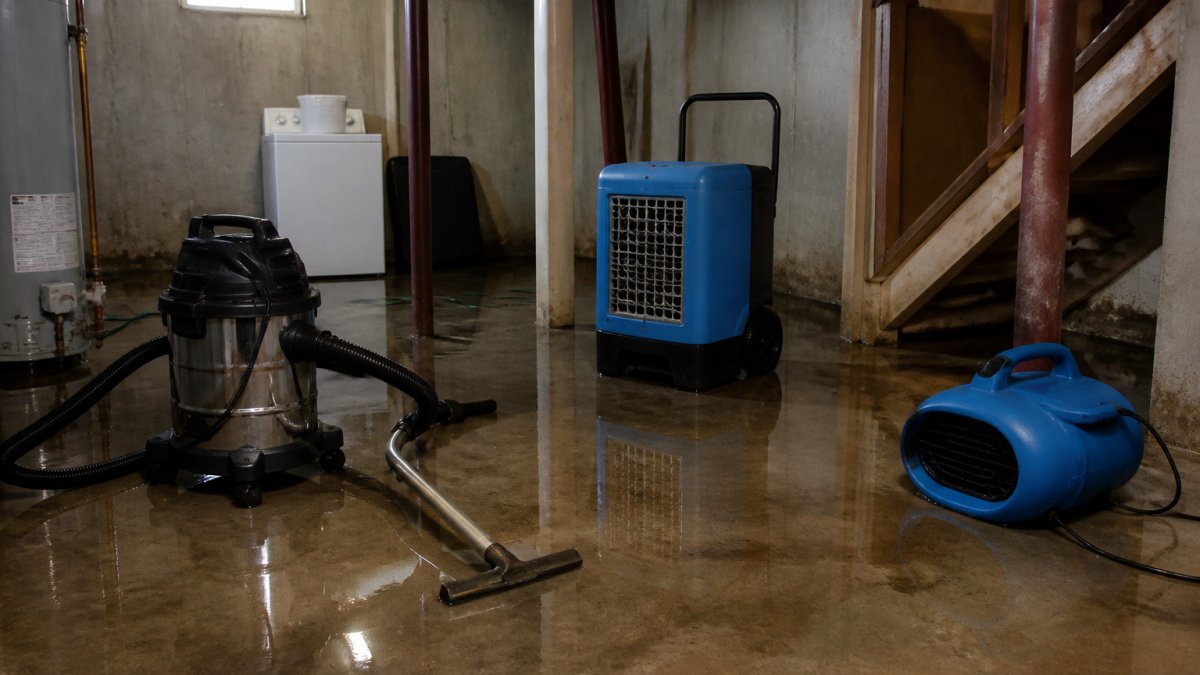
Response time is the single biggest factor in limiting damage, because water, smoke, and mold all spread faster than most owners expect. A rapid response alternative that arrives within hours can extract standing water and begin structural drying before secondary damage sets in.
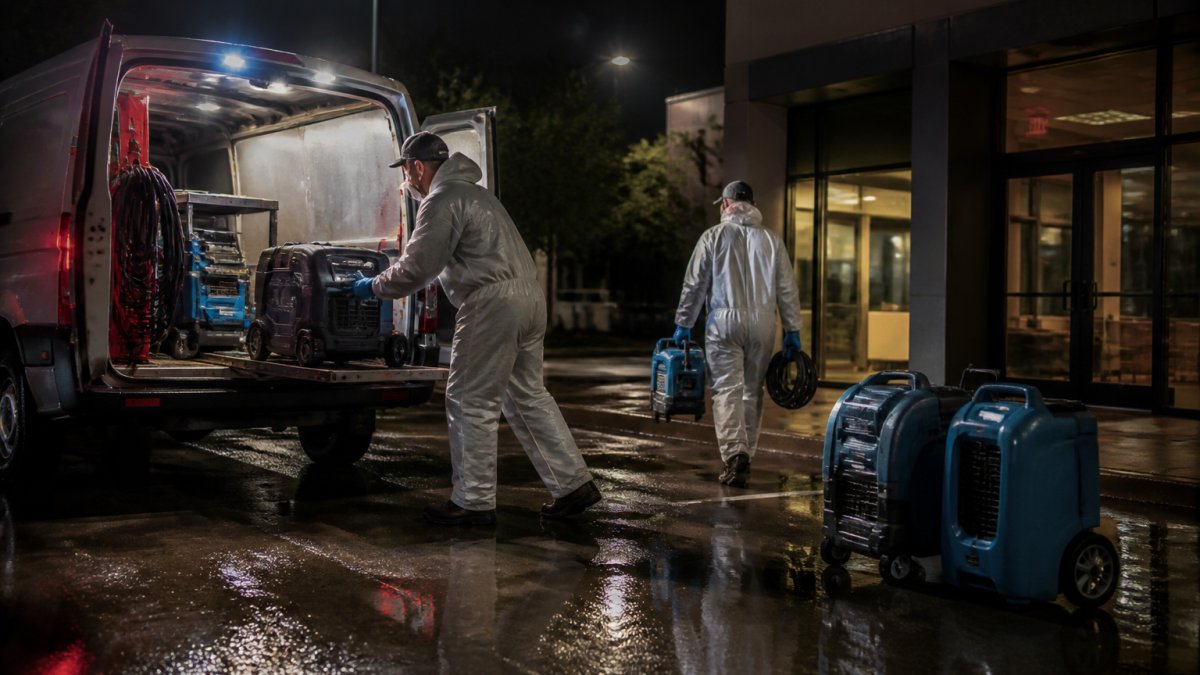
Here's what actually happens in the first few hours:
- Hour 0-2: Standing water is extracted and the source is stopped
- Hour 2-12: Structural drying equipment is positioned and moisture readings are logged
- Hour 12-48: Drying continues; hidden moisture in walls and subfloors is monitored
- Day 2 onward: Remediation, sanitizing, and rebuild planning begin
Delay any of those stages and the timeline stretches into weeks. Disaster Services offers a free visual inspection, which lets owners get a documented read on damage before committing to a full scope of work.
Restoration Company Comparison Checklist
Use this checklist to evaluate any rapid response alternative before you sign an authorization to proceed:
| What to Verify | Why It Matters | Ask Specifically |
|---|---|---|
| Response window | Determines how much secondary damage occurs | "How many hours until a crew is on site?" |
| Licensing and insurance | Protects you from liability if a worker is injured | "Can I see current certificates?" |
| Insurance claim support | Reduces out-of-pocket surprises | "Do you document for my adjuster directly?" |
| Scope of services | Avoids coordinating multiple contractors | "Do you handle extraction through rebuild?" |
| Local presence | Faster arrival during regional events | "Where are your crews based?" |
A provider that can't answer these questions clearly is a risk. The right rapid response alternative should walk you through each one without hesitation.
Insurance Information Institute's guidance on filing property claims recommends keeping a current inventory of business contents, since adjusters settle faster when documentation is ready.
Building a Disaster Response Plan for Businesses
A disaster response plan for businesses is a written document that names who calls whom, what gets shut off first, and which restoration provider to contact. Without one, decisions get made in a panic, and panic costs money.
Build yours around four elements:
- A designated point person and a backup, with phone numbers posted
- Shutoff locations for water, gas, and electrical systems
- A pre-vetted restoration provider already on file
- An inventory of equipment, contents, and their approximate value
Disaster Services offers custom disaster planning as part of its service. Review it once a year and after any near-miss.
How Disaster Services Compares as a Rapid Response Alternative
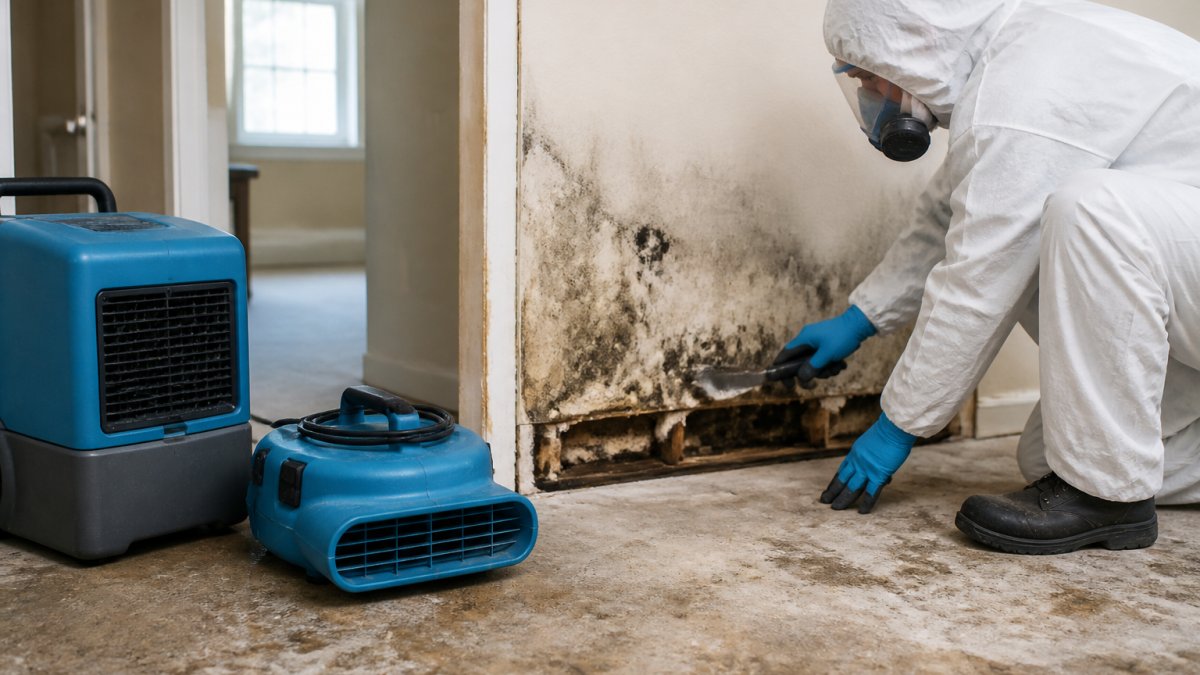
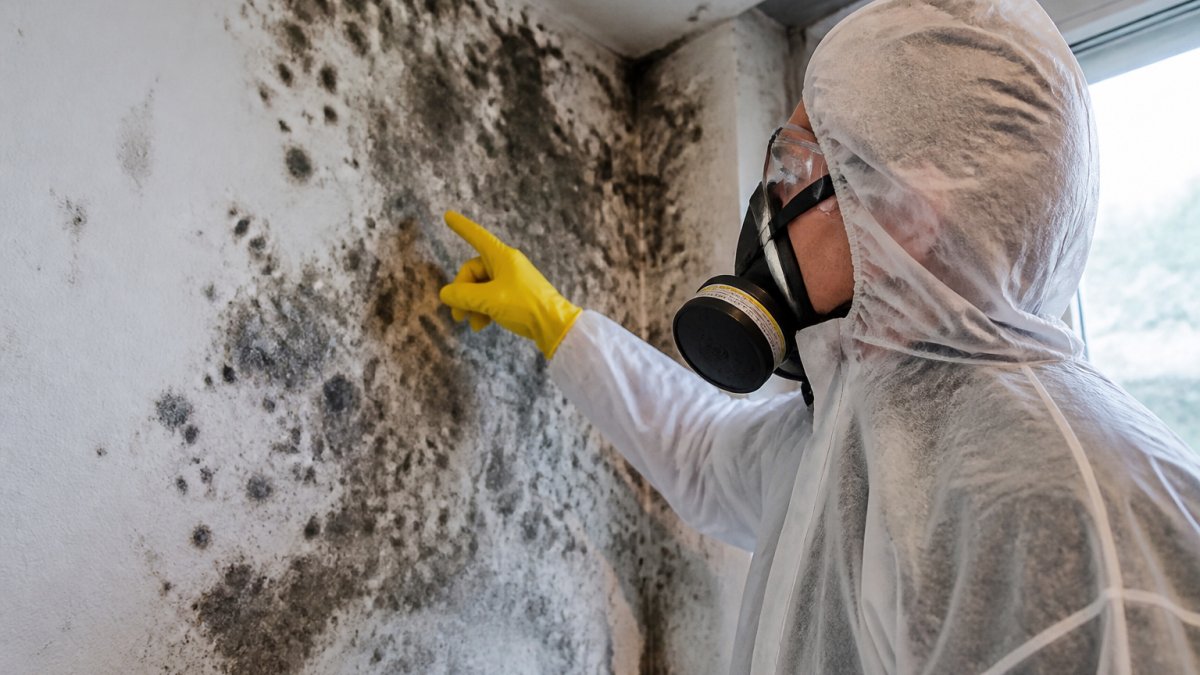
Disaster Services is a 24/7 emergency restoration provider serving residential and commercial properties throughout the Greater Houston area. The company handles water extraction, structural drying, fire and smoke damage restoration, and professional mold remediation, and it manages the process from initial inspection through rebuilding and insurance claims.
What sets it apart as a rapid response alternative:
- 24/7 emergency response with licensed and insured technicians
- Free visual inspection before you commit to a scope
- Comprehensive insurance claims assistance, so you're not fighting the adjuster alone
- Complete restoration and rebuilding services, meaning one point of contact instead of five
Where it falls short: because the focus is the Greater Houston area, it's not the right fit for businesses outside that region. For local commercial and residential property owners, though, the combination of local crews, insurance support, and full-scope rebuilding is hard to match.
Ready.gov's business continuity planning resources reinforces what we see in practice: businesses that plan ahead recover faster and lose less revenue.
Frequently Asked Questions
What are the best alternatives to Rapid Response for business restoration?
The best rapid response alternative for your business depends on your location, property type, and the scope of damage. Look for companies with 24/7 availability, licensed technicians, and experience with commercial losses. A locally owned restoration company often provides faster on-site arrival than a national chain dispatching from another region. Request a free inspection and ask for a written scope of work before committing.
How do businesses compare emergency restoration companies?
Use a structured comparison checklist: verify licensing and insurance, confirm 24/7 response capability, ask about average on-site arrival time, review insurance claim support, and check whether they handle both mitigation and rebuild. Request references from similar commercial properties. A restoration company comparison checklist keeps the evaluation objective and helps you avoid choosing on price alone when response speed matters most.
Do restoration companies offer 24/7 emergency response?
Many commercial restoration companies advertise 24/7 emergency restoration for businesses, but actual response times vary. Ask specifically how crews are dispatched after hours, whether local teams are on standby, and what the typical arrival window is for your area. Get this in writing. A company that guarantees a defined response window is more reliable than one that simply lists a phone number.
What should a disaster response plan for businesses include?
A disaster response plan for businesses should cover emergency contacts, shutoff locations for water and gas, a priority list for protecting inventory and equipment, pre-negotiated restoration contracts, and a communication chain for employees and tenants. Review the plan quarterly and after any near-miss. Having a restoration partner already identified saves critical hours when water or fire damage occurs.
Does commercial property insurance cover water and fire damage restoration?
Most commercial property policies cover sudden and accidental water damage and fire damage, but coverage depends on your specific policy terms, deductibles, and exclusions. Document all damage with photos before cleanup begins, file the claim promptly, and work with a restoration company experienced in insurance claims. They can provide the detailed scope and documentation adjusters need to process your claim accurately.
When a burst pipe or storm surge hits, the provider you call in the first hour shapes everything that follows. Disaster Services offers 24/7 emergency response, free visual inspections, and full insurance claims assistance from a locally owned team that handles extraction through rebuild. Get started with Disaster Services and turn a potential catastrophe into a contained, fully documented recovery.