 how-to
Signs of Mold Behind Drywall: Detection Guide
Table of Contents
- Visual Signs of Mold on Walls
- Musty Odors and Air Quality Issues
- Health Symptoms Related to Mold Exposure
- Moisture Sources and Water Damage
- Moisture Detection Tools for Mold Assessment
- DIY Detection vs. Professional Inspection Accuracy
- Cost of Professional Mold Remediation and When to Call an Expert
- Frequently Asked Questions
Last Updated: September 28, 2026
Visual Signs of Mold on Walls
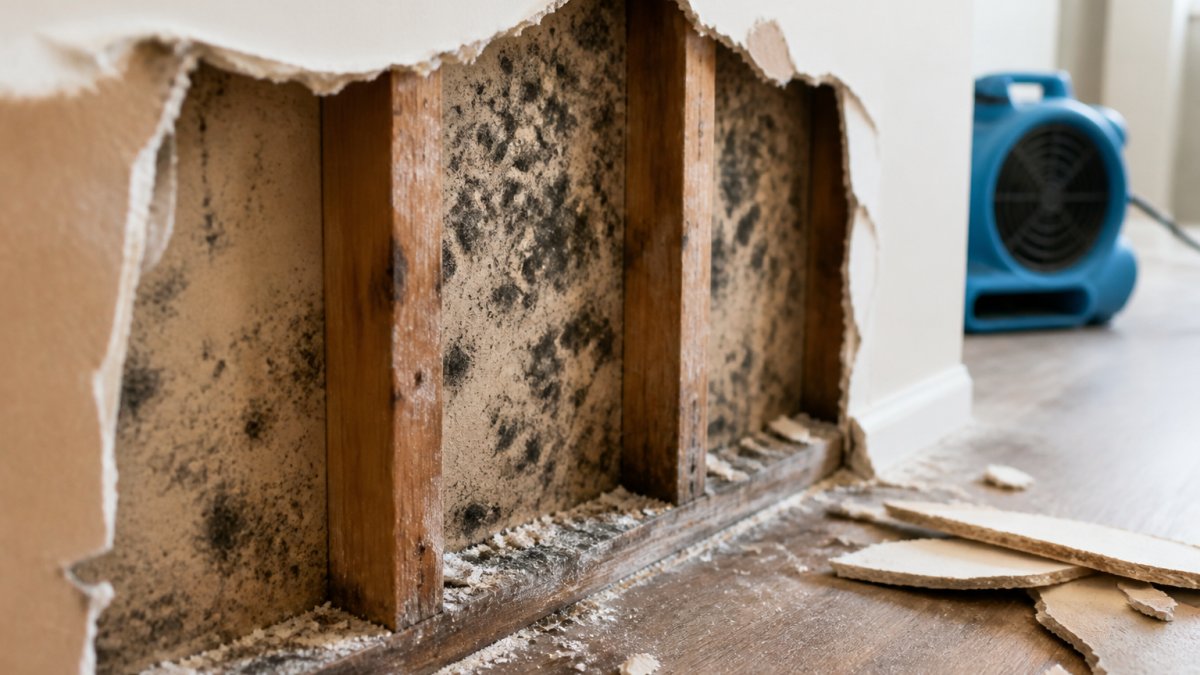
Visual signs like discoloration, staining, and paint damage are red flags that indicate signs of mold behind drywall, revealing moisture and mold present inside the wall cavity.
Discoloration and Staining Patterns
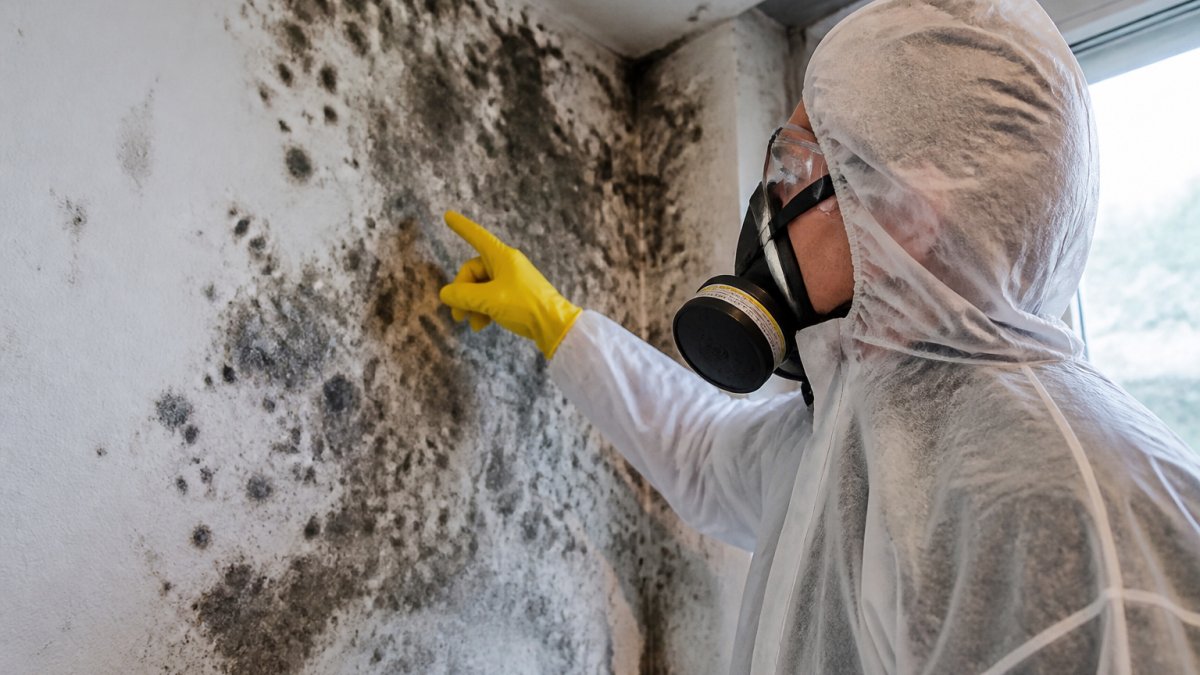
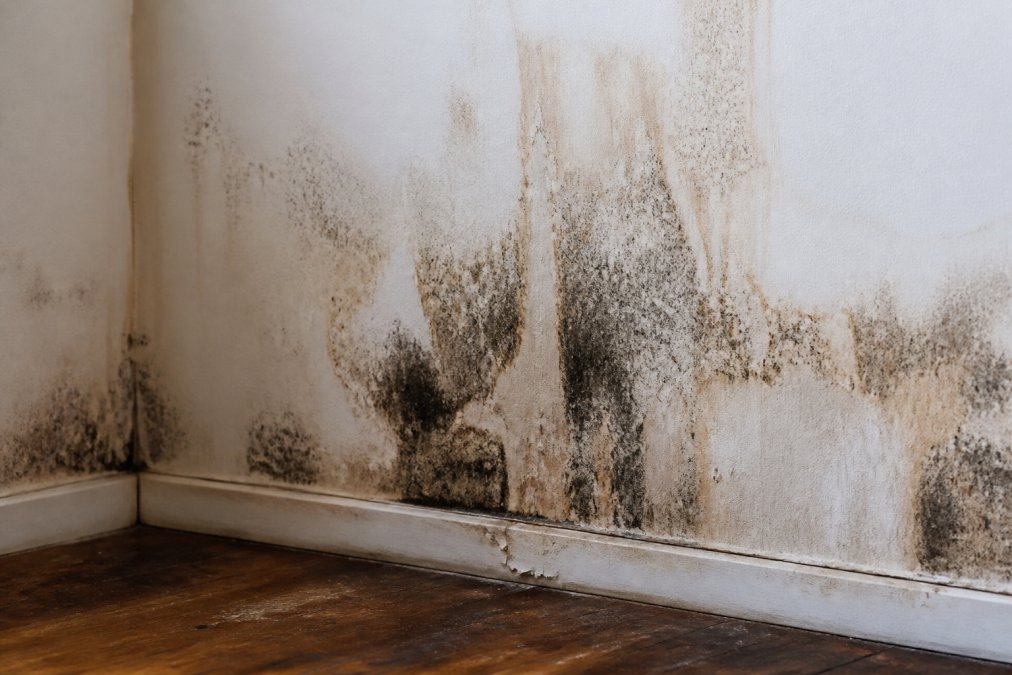
Dark spots, streaks, or patches on drywall are classic signs of mold behind drywall, typically appearing as black, brown, or greenish discoloration depending on the mold species and age.
Mold stains follow water paths, appearing as vertical streaks or circular patterns around leak sources, often darker in the center and fading at the edges.
Pay attention to where stains cluster. Common locations include:
- Below windows (condensation and water intrusion)
- Around bathroom walls (humidity from showers)
- Near exterior walls (outdoor moisture penetration)
- Under sinks and around pipes (plumbing leaks)
- Basement walls and crawl spaces (ground moisture)
Wallpaper Peeling and Paint Bubbling
Wallpaper peeling or paint bubbling indicates moisture trapped behind the drywall, as water vapor pushes the adhesive or paint away from the surface.
Bubbling paint appears as soft, spongy blisters that lift away from the drywall, a clear sign of water damage and potential mold growth.
Peeling wallpaper results from moisture weakening the adhesive, causing it to curl at edges or pull away in large sections.
Musty Odors and Air Quality Issues
A strong musty or earthy smell is one of the most reliable indicators that mold is present, coming from volatile organic compounds (VOCs) released as mold breaks down organic material.
Musty odors often appear before visible signs; if a persistent earthy smell doesn't fade with cleaning or ventilation, mold is likely growing in your walls.
Mold releases spores continuously, making air feel thick or stale and degrading indoor air quality.
Health Symptoms Related to Mold Exposure
Symptoms that may indicate mold exposure include:
- Coughing or wheezing
- Nasal congestion or sinus problems
- Itchy or watery eyes
- Skin rashes or irritation
- Throat irritation or hoarseness
- Fatigue or general malaise
- Headaches
Symptoms improve when leaving the affected room and worsen when inside it; if multiple family members experience similar symptoms in one room, mold exposure is likely.
Moisture Sources and Water Damage
Mold grows where moisture is present. Identifying the moisture source is critical to stopping growth and preventing recurrence.
Leaking Pipes and Condensation
Plumbing leaks are a major source of hidden moisture; small leaks can drip for weeks before surface damage appears. Copper pipes corrode and plastic pipes crack or develop pinhole leaks.
Water Intrusion from Exterior Damage
Rain and groundwater enter through holes in your exterior. Damaged roofing, cracked siding, failed caulking around windows, and foundation cracks all allow water to penetrate. Once water enters the wall cavity, it has nowhere to dry and becomes trapped.
Moisture Detection Tools for Mold Assessment
Professional tools can detect moisture inside walls before mold becomes visible. These instruments measure moisture levels and help identify problem areas with precision.
Moisture Meters and Hygrometers
A moisture meter measures the water content in drywall and wood. You press the meter against the wall surface, and it displays a moisture reading. High readings indicate moisture is present inside the wall.
Thermal Imaging for Wall Inspection
Thermal imaging cameras detect temperature differences in walls. Moisture absorbs heat differently than dry material, creating visible temperature patterns. A thermal camera can reveal wet spots inside walls that you cannot see with your eyes.
DIY Detection vs. Professional Inspection Accuracy
You can perform basic inspections yourself by looking for visual signs and using a moisture meter. However, DIY detection has significant limitations when mold is hidden deep inside wall cavities, and professional inspections are substantially more accurate for confirming the presence and extent of contamination.
Why DIY Moisture Meters Fail in Wall Cavities
Pin-type moisture meters measure moisture content by inserting two electrodes into the drywall surface. They detect moisture in the outer 0.5 to 0.75 inches of material. If mold is growing on the back side of drywall or on framing lumber deeper in the wall cavity, a surface moisture meter will read normal or only slightly elevated, even when significant mold colonization is occurring behind the visible surface.
- Moisture trapped behind vapor barriers or insulation, The meter cannot reach moisture that has migrated past the first layer of material.
- Localized wet spots on framing, A stud or rim joist can be saturated with mold while the drywall surface reads dry, especially if air circulation has partially dried the outer layer.
- Inconsistent readings, Moisture meters are sensitive to material density, temperature, and mineral content. The same moisture level in different drywall products or wood species produces different readings, leading to false negatives if you don't know the baseline for your specific materials.
What Professional Inspectors Do Differently
Professional mold inspectors use multiple detection methods in combination:
Thermal imaging reveals temperature anomalies caused by evaporating moisture. A wet stud or damp insulation will show as a cooler zone on a thermal image, even if the drywall surface feels dry. This non-invasive technique identifies problem areas without drilling or opening walls.
When DIY Detection Is Sufficient
DIY inspection works for obvious, early-stage problems:
- You see visible discoloration, bubbling paint, or peeling wallpaper.
- You smell a musty odor localized to one area.
- You know there was a recent water event (burst pipe, roof leak, flooding) and want to monitor moisture levels over the first 48 to 72 hours.
- You have a moisture meter reading above 16% on drywall or above 20% on wood, which reliably indicates a moisture problem requiring professional assessment.
In these cases, a moisture meter confirms what your senses already detected and justifies calling a professional.
When Professional Inspection Is Essential
Call a professional if:
- You suspect mold but see no obvious visual signs and smell is faint or intermittent.
- Moisture meter readings are borderline (14-18% on drywall) and you are unsure whether to act.
- You have had a water event more than a week ago and want to verify that the wall has dried completely before closing it back up.
- Family members are experiencing respiratory symptoms, and you need to confirm whether mold is present to rule it in or out as a cause.
- You are preparing to file an insurance claim and need documented, professional-grade evidence of mold and water damage.
- The affected area is large, spans multiple rooms, or involves the HVAC system.
Professional inspections also identify the moisture source, something DIY detection cannot do. Knowing whether the problem is a plumbing leak, roof damage, condensation, or exterior water intrusion is essential to preventing recurrence after remediation.
Cost of Professional Mold Remediation and When to Call an Expert
Professional mold remediation requires specialized equipment and trained technicians. The scope and cost depend on how much mold is present and where it is located.
Call a professional if:
- You suspect mold is growing inside walls
- You have visible mold covering more than a small area
- You have had water damage from flooding, burst pipes, or roof leaks
- You have persistent musty odors you cannot locate
- Family members are experiencing respiratory symptoms
- Your home has had moisture problems for more than a few days
What Professional Remediation Includes
Professional mold remediation starts with a complete inspection and assessment. Technicians identify all affected areas, measure moisture levels, and determine the moisture source. They create a remediation plan tailored to your situation.
Remediation typically includes:
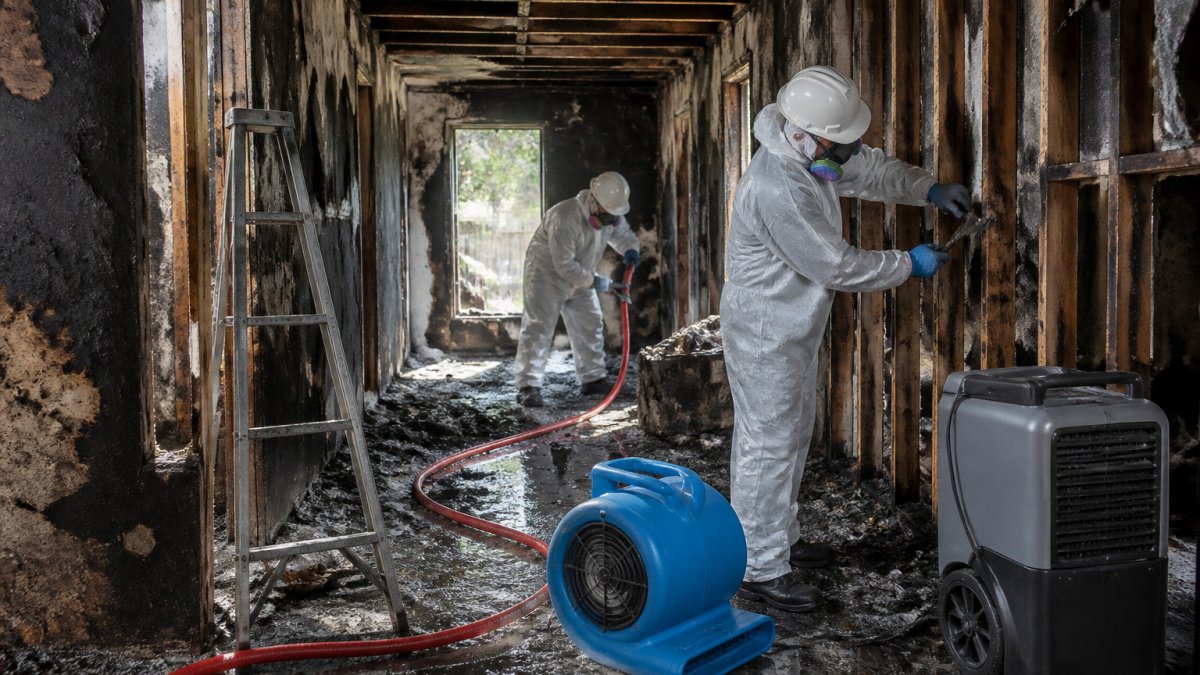
- Containment of affected areas to prevent spore spread
- Removal of contaminated drywall and insulation
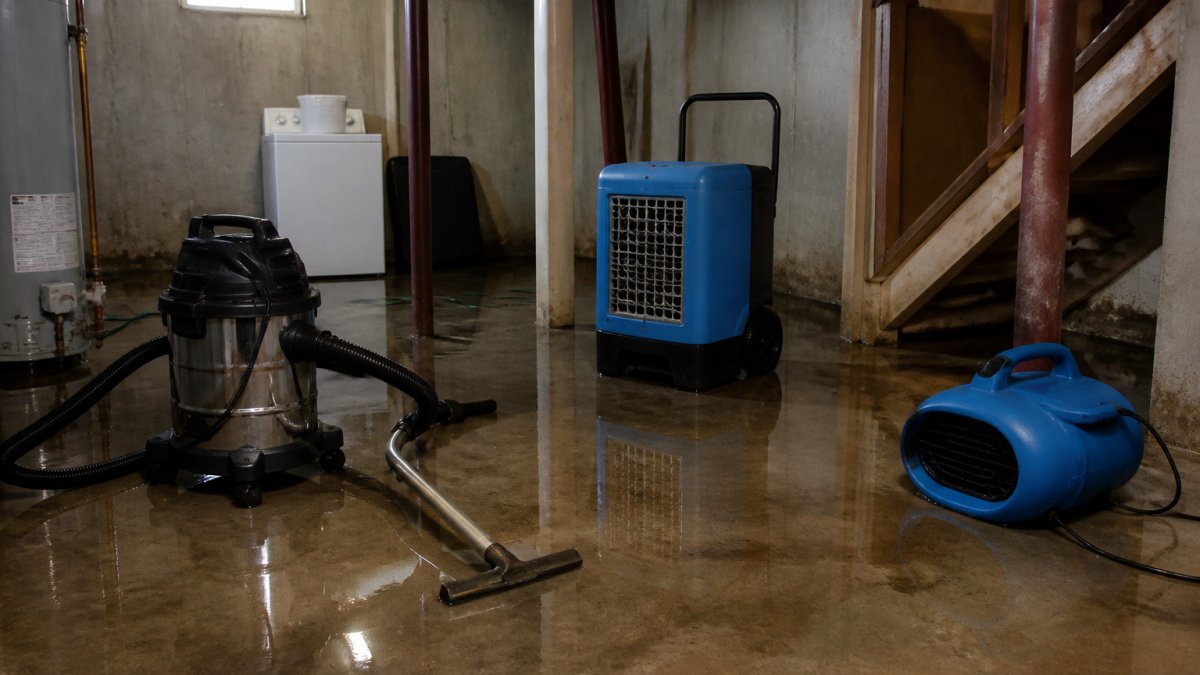
- Drying of the wall cavity with specialized equipment
- Treatment of remaining surfaces to prevent regrowth
- Repair and reconstruction of damaged areas
- Source moisture control to prevent recurrence
Post-Remediation Verification and Documentation
After remediation is complete, verification confirms that mold has been successfully removed and moisture levels have returned to normal. A post-remediation inspection measures moisture in the wall cavity and tests air quality.
Frequently Asked Questions
What does mold behind drywall smell like?
Mold behind drywall typically produces a musty, earthy odor that intensifies in humid conditions. This smell comes from microbial volatile organic compounds (MVOCs) released by fungal growth. If you notice a persistent musty scent that doesn't fade after opening windows or running your HVAC system, mold may be present inside wall cavities. The odor often precedes visible signs of mold, making it an important early warning indicator of hidden fungal growth.
Can you detect mold behind walls without cutting into them?
Yes. Non-invasive inspection methods include moisture meters to measure drywall saturation levels, thermal imaging to identify cold spots where condensation accumulates, and hygrometers to check relative humidity. A visual inspection for water damage, peeling wallpaper, and discoloration also provides clues. However, these tools cannot definitively confirm mold presence or identify the type of fungal growth. Professional air quality testing and inspection equipment offer greater accuracy for detecting airborne spores and hidden mold colonies within wall cavities.
Will mold behind drywall make you sick?
Mold exposure can trigger respiratory issues, allergic reactions, and other health symptoms, especially in people with asthma, allergies, or weakened immune systems. Prolonged exposure to airborne spores and mycotoxins produced by certain mold species may cause coughing, wheezing, nasal congestion, and skin irritation. Children, elderly individuals, and those with pre-existing respiratory conditions face higher risk. Not all mold causes severe illness, but the presence of hidden fungal growth behind drywall warrants professional remediation to eliminate the health hazard.
What causes mold growth behind drywall?
Mold thrives in environments with moisture, darkness, and organic material. Behind drywall, common causes include leaking pipes, water intrusion from exterior damage, condensation from poor ventilation, and high relative humidity levels. Drywall saturation from flooding or slow water seepage creates ideal conditions for fungal growth. HVAC system leaks and inadequate vapor barriers also contribute. Once moisture persists for 24-48 hours, mold colonies begin forming on cellulose materials within the wall cavity, making early detection and moisture control critical.
Discovering signs of mold behind drywall creates urgency. The longer mold grows, the more extensive the damage becomes and the higher the remediation cost. If you suspect mold in your walls, contact Disaster Services today for a free visual inspection. Our licensed and insured team provides 24/7 emergency response and comprehensive insurance claims assistance to guide you through the entire restoration process.