 how-to
How to Dry Out a Flooded Basement Safely
Last Updated: November 1, 2026
Quick Summary
To dry out a flooded basement safely, first shut off power at the main breaker from outside if the panel is in water, then stop the water source. Pump the water out in stages rather than all at once, since rapid drawdown can crack walls and floors.
- Shut off power at the main breaker panel before anyone enters standing water.
- Stop the water source first, such as a burst pipe or failed sump pump, before pumping.
- Drop the water level gradually when the ground outside is saturated to avoid foundation damage.
- Wear waterproof gloves, rubber boots and eye protection, since floodwater is rarely clean.
- Remove carpet, padding and drywall to about one to two feet above the water line.
Table of Contents
- Flooded Basement Safety Checklist: What to Do Before You Go Down
- Turning Off Power and Stopping the Water Source
- Basement Water Removal: Pumps, Wet-Dry Vacuums, and Buckets
- Handling Contaminated Floodwater and Protective Equipment
- Removing Wet Materials and Deciding What to Salvage
- How Long to Dry a Flooded Basement and How to Verify It
- How to Prevent Mold After a Basement Flood
- When to Call a Professional Restoration Team
- Frequently Asked Questions
Flooded Basement Safety Checklist: What to Do Before You Go Down
Water in a basement is more than a wet floor. A flooded basement can hide electrical hazards, slippery surfaces, structural weakness and contaminated water.
Before you go down the stairs, check the basics. Use this flooded basement safety checklist as a starting point:
- Look at the stairs from the top. Do not enter if the water reaches the bottom step or the stairs look warped.
- Confirm the structure is sound. Walls that bow or bulge, or a floor that feels soft, mean you should stay out.
- Stop before you wade in. Floodwater can hide holes, debris and open drains.
Watch out: never walk through standing water near a power source you have not shut off. Water conducts electricity, and a single live outlet or cord can be fatal.
If any of these warning signs appear, leave the basement and call a professional right away.
Turning Off Power and Stopping the Water Source
Electricity is the most serious danger in a flooded basement. Before anyone enters the water, shut off the power at the main breaker panel.
Once the power is off, find the source of the water.
- Shut off the main water valve if a pipe has burst. For guidance on the first steps when water is still active, see emergency water extraction: what to do first.
- Check whether the sump pump is running. If it failed, a backup pump or battery pump may help.
- Clear debris from window wells and downspouts that feed water toward the house.
Keep the power off until a licensed electrician has checked the wiring. Water can damage outlets and wiring in ways that stay hidden until the system is turned on again.
Basement Water Removal: Pumps, Wet-Dry Vacuums, and Buckets
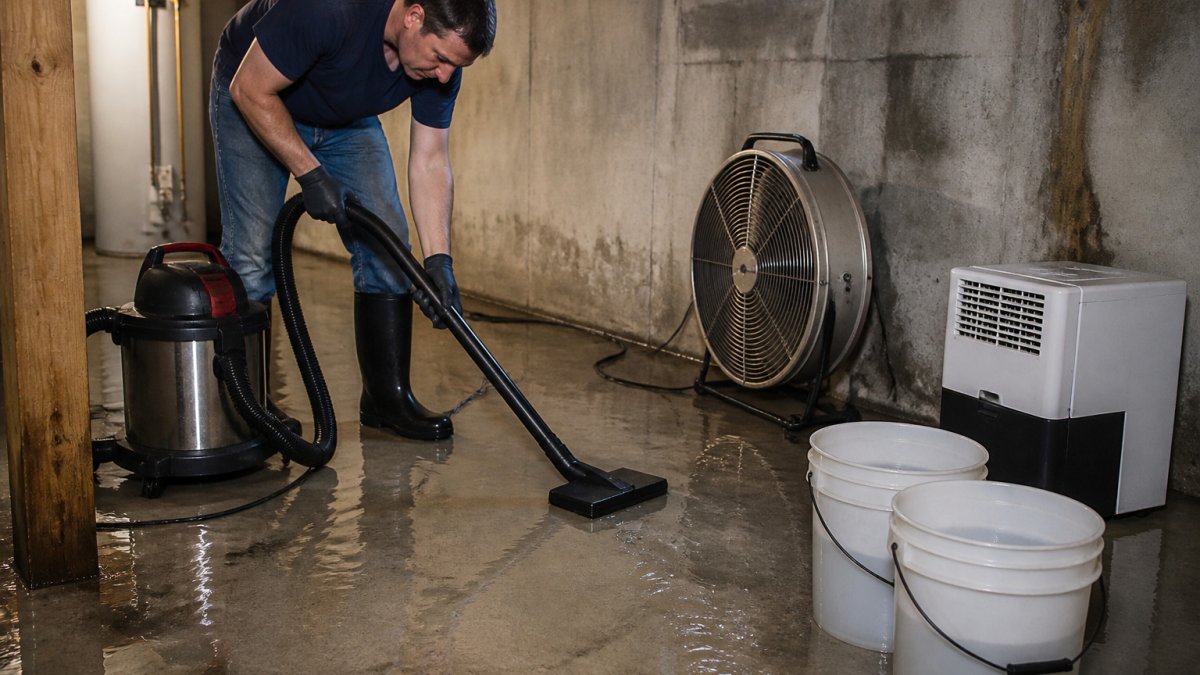
Removing standing water is the core of the cleanup, but speed is not always your friend. Our step-by-step guide to drying flooded floors walks through the full process in order. When a basement floods, the water inside is often pushing back against saturated soil and groundwater outside. Pump it out too fast and that outside pressure can crack floors, bow walls or shift the foundation.
Check hydrostatic pressure before you pump
Look at the water line on the walls. If the water inside is roughly level with the wet ground outside, the pressure is balanced. If the outside ground is saturated and the water inside is much lower, the walls may already be carrying a heavy load. In that case, drop the water level gradually rather than all at once, and stop if you hear cracking, see new cracks in the floor or walls, or notice doors that suddenly stick.
Match the tool to the water depth
- Deep water (more than a few inches): Use a submersible pump with a discharge hose rated for the run length. Flow drops as the discharge hose gets longer or rises higher, so keep the run as short and flat as possible.
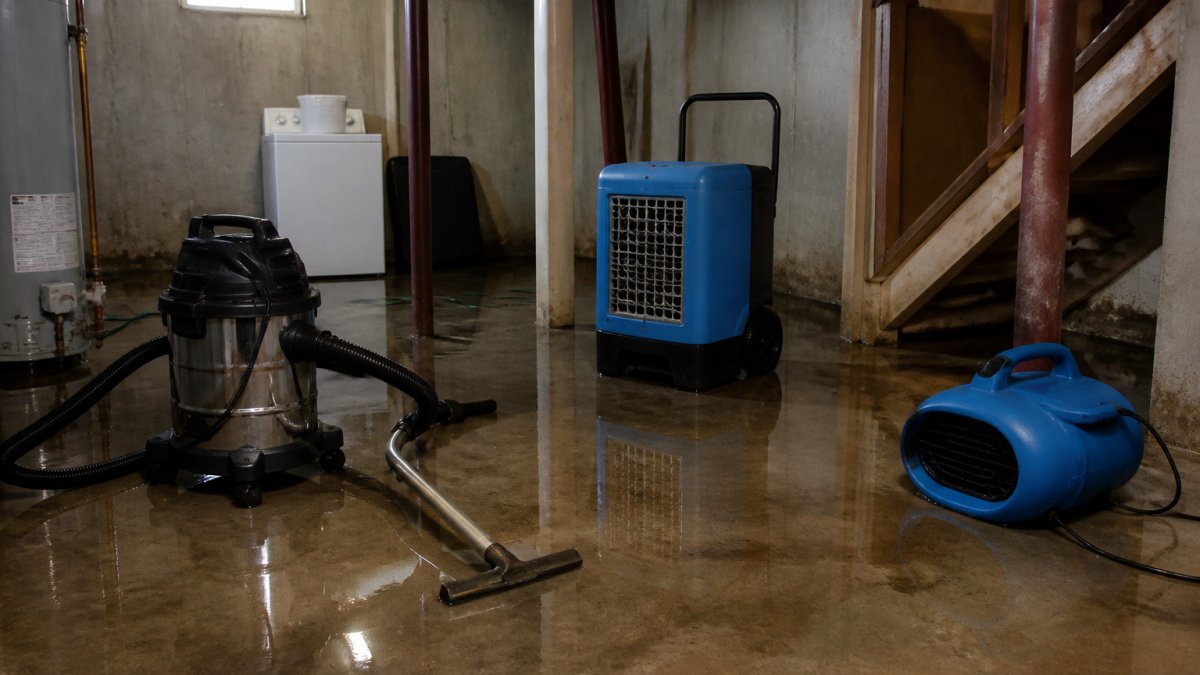
- Shallow water (last inch or two): Switch to a wet-dry vacuum rated for liquids. Empty the tank often, since a full tank is heavy and awkward on stairs.
- Corners and small pools: Use a bucket or a squeegee to push water toward the vacuum. Buckets are slow, so save them for the final pass.
Route the discharge safely
Point the discharge hose well away from the foundation, and downhill if the grade allows. Pumping water back against the house can push it straight back through the same cracks. Never discharge into a floor drain or sanitary sewer unless your local utility explicitly allows it; many municipal systems prohibit sump discharge into the sanitary sewer because it overwhelms treatment capacity.
Stop pumping and call a professional if the water level stops dropping, if the pump keeps cycling on and off, or if you see any movement in the walls or floor.
Match the tool to how deep the water is, since each stage calls for different equipment.
| Water depth | Tool | Key tip |
|---|---|---|
| Deep water (more than a few inches) | Submersible pump | Keep discharge hose short and flat |
| Shallow water (last inch or two) | Wet-dry vacuum rated for liquids | Empty the tank often |
| Corners and small pools | Bucket or squeegee | Save for the final pass |
Handling Contaminated Floodwater and Protective Equipment
Floodwater is rarely clean. Water from rivers, storm drains or sewage backups can carry bacteria, chemicals and other contaminants. Treat all floodwater as contaminated until you know otherwise.
Wear protection whenever you touch water, debris or building materials:
- Waterproof gloves, preferably heavy-duty rubber or nitrile
- Rubber boots that cover the ankle
- Eye protection to guard against splashes
Wash hands and exposed skin with soap and clean water after cleanup. If you get floodwater in a cut or open wound, see a doctor. Discard clothing that touched floodwater, or wash it separately in hot water.
Removing Wet Materials and Deciding What to Salvage
Not everything in a flooded basement can be saved. Porous materials soak up water and can keep growing mold long after the surface looks dry.
Carpet and carpet padding usually cannot be saved after a flood. Our article on how water seeps into carpet, padding and subfloor explains why these materials are so hard to dry.
Use this quick guide to decide what to keep:
- Usually salvageable: Concrete floors, solid wood furniture that dries quickly, metal tools and hard plastics after cleaning
- Often not salvageable: Carpet, padding, drywall, insulation, particleboard and upholstered furniture
- Decide case by case: Hardwood floors, cabinets and heavy wood furniture, which may survive if they dry within a few days
Bag and remove debris outside as you go. Keep items you plan to claim, and photograph them before you throw them out, since insurers often ask for proof.
How Long to Dry a Flooded Basement and How to Verify It
Drying is the step most homeowners rush, and it is the step that decides whether mold becomes a problem. A plain explanation of the structural drying process shows what happens inside walls and floors as they dry. The honest answer is that drying time depends on the materials, the depth of the flood and the weather, but you do not have to guess.
A realistic drying timeline
- Surface water gone: within hours of pumping and vacuuming.
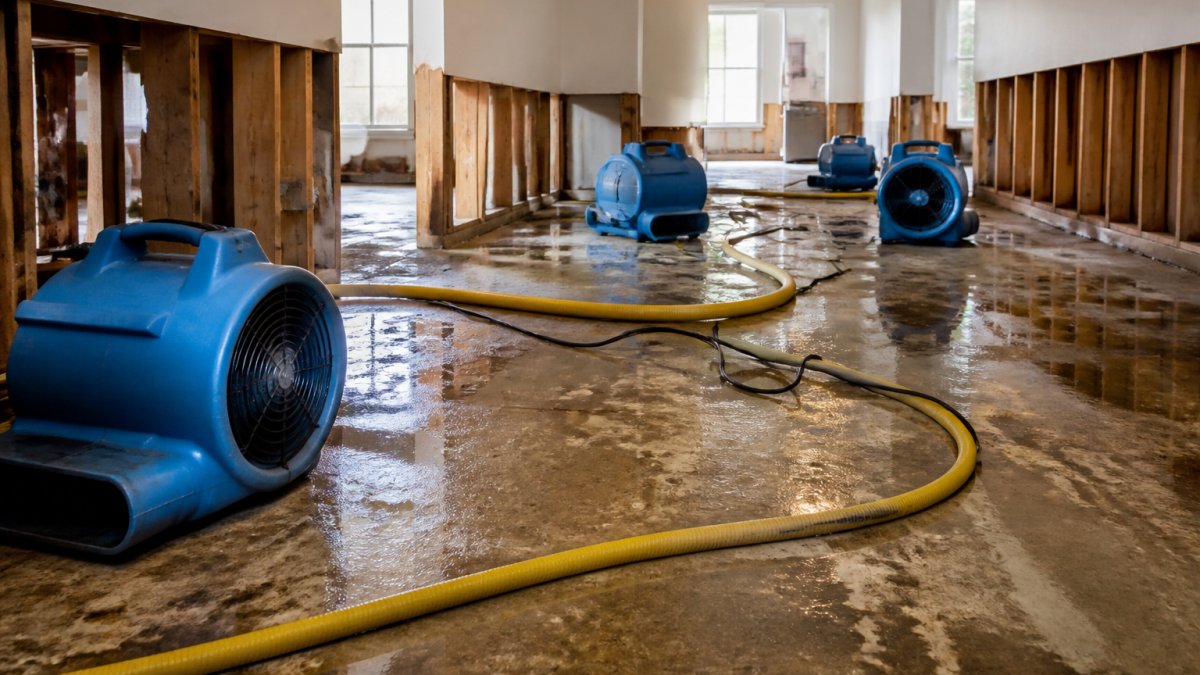
- Framing and drywall: typically 3 to 7 days with continuous airflow and dehumidification.
- Concrete floors and masonry walls: often 1 to 3 weeks, sometimes longer, because concrete holds water deep inside.
These are ranges, not promises. Humidity, outdoor temperature and how long the water sat all shift the timeline. A basement that was under water for two days will not dry on the same schedule as one that took on an inch from a burst pipe.
Measure, don't touch
A surface that feels dry can still be wet an inch below. Use a pin-type or pinless moisture meter on concrete, wood and drywall, and compare each reading against an unaffected area of the same material elsewhere in the house. The basement is dry when the affected readings match the baseline, not when they merely stop feeling damp.
Control the humidity, not just the air
Run fans to move air across wet surfaces and a dehumidifier to pull moisture out of the air. Keep indoor humidity low; a hygrometer tells you whether the dehumidifier is keeping up. Open windows and doors only when outdoor humidity is lower than indoor humidity, on a muggy day, open windows make the problem worse. Empty the dehumidifier reservoir often, or run a hose to a drain so it does not shut off overnight.
Know when to escalate
Stop drying and call a professional if:
- Moisture readings have not dropped after 3 to 4 days of continuous drying.
- Humidity stays above 60 percent despite a running dehumidifier.
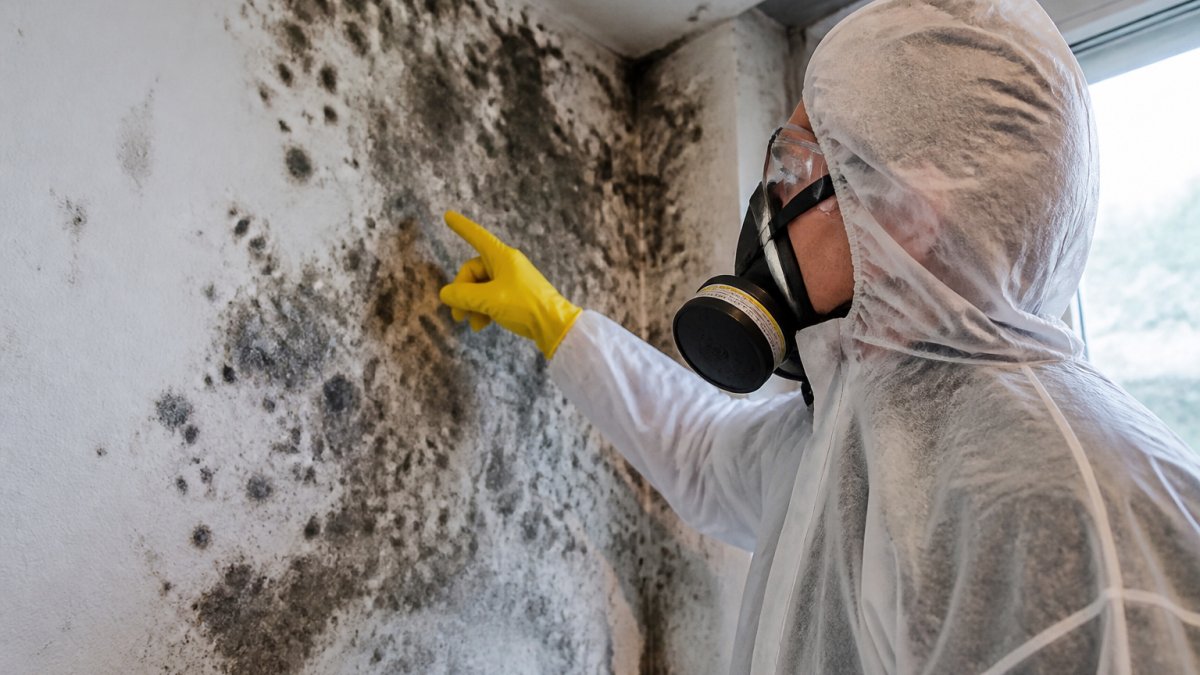
- You smell a musty odor or see discoloration on framing or drywall.
Mold can begin growing on wet porous materials quickly, so it is better to keep drying equipment running than to risk rebuilding a moldy basement. When in doubt, keep the equipment running and get a professional moisture assessment before you close up the walls.
How to Prevent Mold After a Basement Flood
Mold grows fast in damp, dark spaces, and a flooded basement is a perfect setting for it. Our seven essential steps to prevent mold after water damage cover each stage in detail.
- Remove wet materials as soon as possible.
- Clean hard surfaces with a detergent solution, then disinfect them.
- Keep humidity below about 50 percent with dehumidifiers and good airflow.
A common mistake is painting over damp drywall or wood. Paint seals in moisture and lets mold keep growing underneath. Always confirm materials are fully dry before you finish the surface.
When to Call a Professional Restoration Team
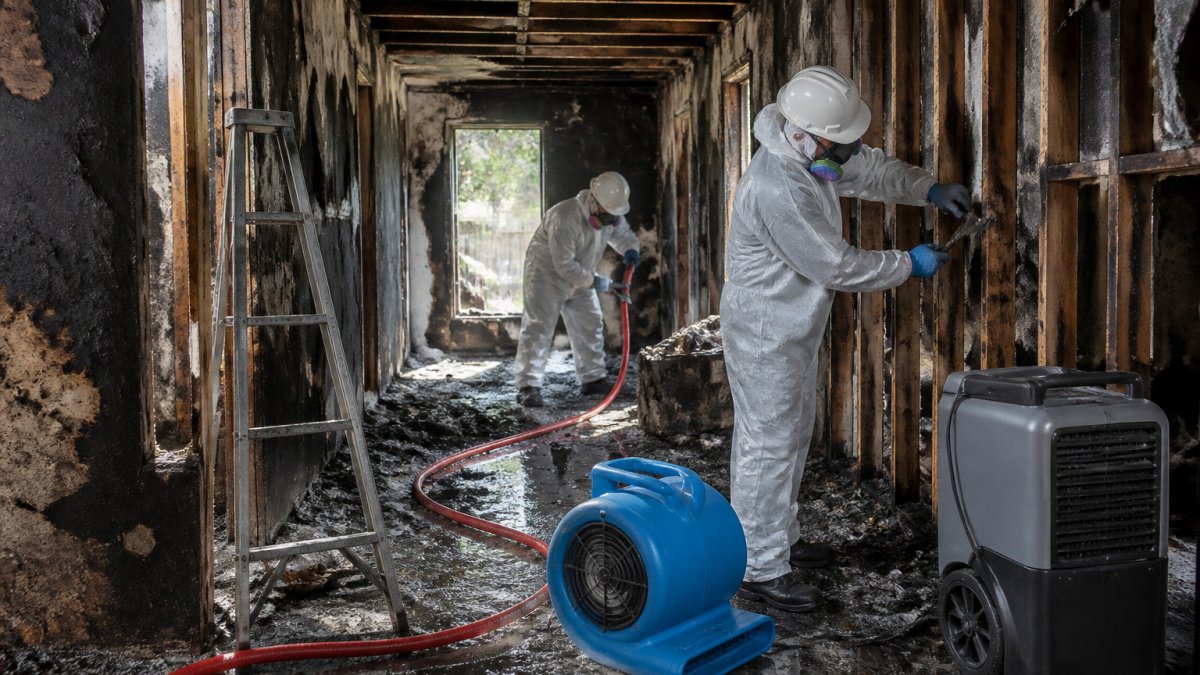
Some floods are too big or too risky for a homeowner to handle alone. Call a professional restoration team if the water is contaminated with sewage, if the water rose above the outlets, if the structure looks damaged, or if mold already covers more than a small area.
Professional crews bring commercial pumps, industrial dehumidifiers, moisture mapping equipment and the protective gear needed for contaminated water. Disaster Services handles water extraction, structural drying and mold remediation for homes and businesses in the Greater Houston area, and offers comprehensive insurance claims assistance as well.
Frequently Asked Questions
How do you unflood your basement?
Start by shutting off power to the basement at the breaker if you can do so safely, and stop the water source. Then remove standing water with a submersible pump, a sump pump, or a wet-dry vacuum, working from the lowest point toward the drain. Pump gradually when water levels are high, since removing it too fast can stress walls and floor slabs. Once the standing water is gone, pull out wet carpet and padding, run dehumidifiers and fans, and open windows when outdoor humidity is lower than indoor humidity. Keep checking moisture levels until readings return to normal.
What kills mold after a flood?
Cleaning with detergent and water removes most surface growth, and a disinfectant can be used on hard, non-porous surfaces afterward. Mold on porous materials such as drywall, insulation, and carpet padding often cannot be fully cleaned and usually needs to be removed and replaced. Drying the space quickly is the most important step, because mold needs moisture to grow. Always wear gloves and an N95 or better respirator during cleanup, and avoid mixing bleach with ammonia-based cleaners.
How long does it take to dry out a flooded basement?
Most basements take several days to a few weeks to dry, depending on how much water came in, the humidity, and how many fans and dehumidifiers are running. Materials should be dry to their normal moisture readings before you close up walls or lay new flooring. A moisture meter gives you the most reliable answer, since surfaces can feel dry while materials underneath remain wet. If readings stop improving after several days, or you notice musty odors or visible growth, call a professional restoration company for a more thorough assessment.
When should I call a water damage restoration professional?
Call a professional if the flood involved sewage or contaminated water, if standing water is deep or the water has been present for more than 24 to 48 hours, or if you see structural damage such as cracked walls or a shifting foundation. Professionals also help when mold has begun to grow, when electrical systems or HVAC equipment may be affected, or when you need documentation for an insurance claim. Disaster Services offers 24/7 emergency response, a free visual inspection, and help with insurance claims. Contact us today for a quote, since pricing depends on the size of the affected area and the work needed.