 how-to
Preventing Secondary Damage After Flooding
Table of Contents
- What Is Secondary Damage After Flooding
- Immediate Actions in the First Hours After Water Intrusion
- Flood Cleanup Steps to Minimize Hidden Moisture
- How to Dry Out a Flooded House and Control Moisture
- Preventing Mold After a Flood
- Flood Damage Documentation for Insurance
- When to Call a Professional Restoration Team
- Frequently Asked Questions
Last Updated: October 11, 2026
What Is Secondary Damage After Flooding
Secondary damage after flooding refers to harm that occurs after the initial water event, not from the floodwater itself, but from moisture that remains trapped in walls, floors, and structural materials. This hidden moisture creates conditions for mold growth, wood rot, electrical hazards, and structural deterioration that can take weeks or months to develop if left unaddressed.
Secondary damage is preventable. While you cannot stop the initial flood, you can stop what comes next, and preventing secondary damage after flooding saves thousands in repair costs.
Secondary damage includes mold, insulation failure, drywall deterioration, wood rot, and electrical hazards. Removing visible water is only the first step; controlling trapped moisture is where most property owners fall short.
Immediate Actions in the First Hours After Water Intrusion
First Hour: Stop Water and Ensure Safety
Your first action must be stopping the water from continuing to flow. If the source is a burst pipe, shut off your main water valve immediately. If it's a backed-up sewer or storm flooding, evacuate to higher ground and do not re-enter until water levels recede and you understand the contamination risk.
Safety comes before salvage. Turn off electricity to affected rooms at the breaker box immediately; wet outlets and submerged appliances create electrocution risks. If you cannot safely reach the breaker box, call your utility company or a licensed electrician to cut power remotely.
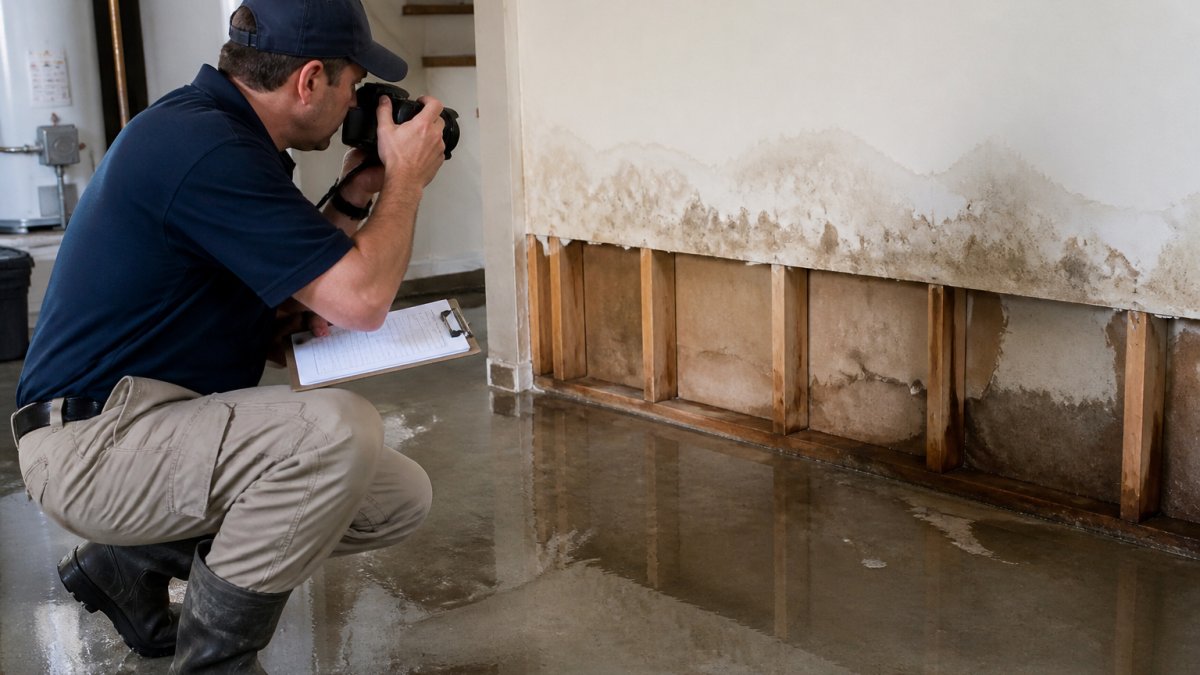
Document the water source for your insurance claim before cleanup begins. Take photos showing where water entered, whether through windows, doors, foundation cracks, or plumbing failure. This documentation supports your claim and helps restoration professionals understand the scope.
First 24 Hours: Extract Water and Begin Drying
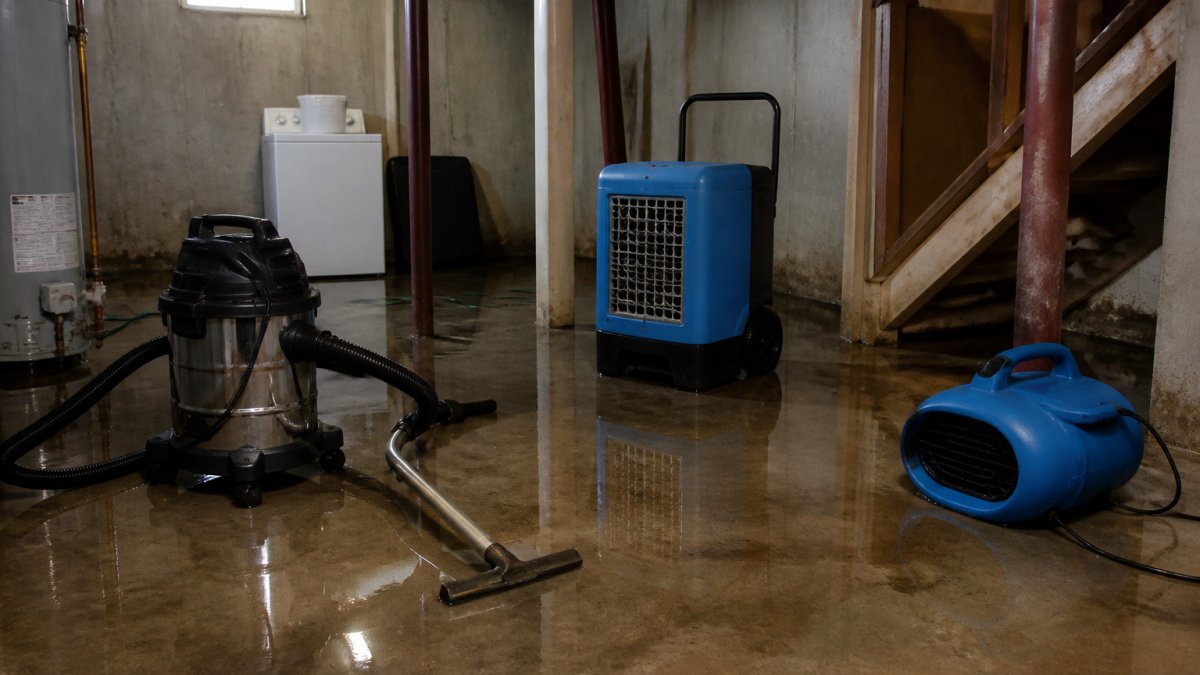
Water extraction must start immediately; every hour increases mold risk. Small amounts can be mopped, but significant standing water requires professional equipment like submersible pumps and truck-mounted extractors to reach tight spaces.
Contact your insurance company within 24 hours with photos and incident details. Many policies require prompt notification. Follow your adjuster's guidance on restoration steps to avoid claim denials.
Begin air circulation immediately. Open windows when outdoor humidity is lower than indoor humidity (typically early morning). Position fans to push moist air outside. Without air movement in the first 24 hours, mold can initiate growth within 24-48 hours.
Remove visibly saturated materials. Tear out wet insulation completely; it loses R-value and becomes a mold incubator. Cut drywall 12 inches above the water line. Move wet furniture, books, and boxes to dry areas immediately.
First 72 Hours: Deploy Dehumidification and Monitor Moisture
Dehumidifiers must run by 48 hours. Refrigerant models work above 60°F; desiccant models work in cold. Professional-grade units extract far more moisture than portable ones. Position centrally with continuous drainage.
Begin moisture monitoring by 72 hours. Use a moisture meter to check wood (target: below 20%) and drywall (target: below 12%) in multiple locations: wall centers, floors, cavities, and under flooring. Surface-level drying is misleading; recheck every 24 hours until readings stabilize.
Create a detailed inventory of damaged items with purchase dates and values. Be specific: "leather sofa, brown, purchased 2022" rather than "furniture." This supports your insurance claim.
Flood Cleanup Steps to Minimize Hidden Moisture
Water Type Determines Cleanup and Discard Decisions
Floodwater contamination level determines salvage decisions. Clean water (burst pipes, roof leaks) is low-risk; gray water (appliance overflow, toilet backup) is moderate-risk; black water (sewage, outdoor flooding) is high-risk and requires professional remediation.
Clean water (burst pipes, roof leaks): Hard surfaces can be cleaned and dried. Porous materials can be dried if extraction begins within 24 hours and moisture readings drop below safe thresholds within 5-7 days.
Gray water (appliance overflow, toilet backup): Remove porous materials if saturation is deep. Clean hard surfaces with one cup bleach per gallon of water. Wear gloves, N95 masks, and eye protection; ventilate continuously.
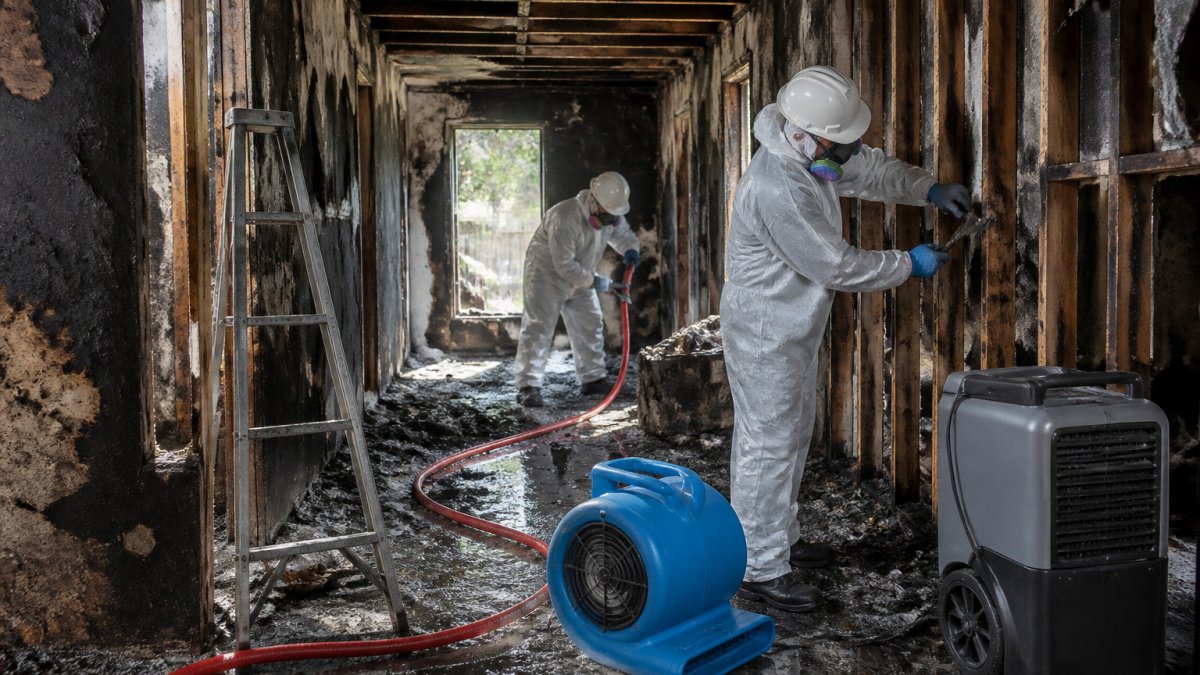
Black water (sewage, outdoor flooding): Remove all porous materials that contacted it. Hard surfaces can be cleaned only if non-porous. If black water reached electrical systems, HVAC, or cavities, hire a licensed remediation contractor; hidden contamination spreads through the building.
Wear gloves, N95 masks, and eye protection during cleanup. If you have respiratory conditions or compromised immunity, hire professionals instead.
Material-Specific Removal and Salvage Guidelines
Drywall: Cut 12 inches above the water line. Remove drywall if saturation was deep (over 2 inches) or water was gray/black.
Insulation: Remove all wet insulation; it loses R-value and becomes a mold incubator. Replace after the cavity dries completely (below 12% for 3 consecutive days).
Flooring: Hardwood can be salvaged if water was clean and drying starts immediately. Remove baseboards to allow air circulation. If subfloor moisture exceeds 20% after 7 days, replace it. Laminate and vinyl cannot be salvaged.
Cabinets and Wood Framing: Solid wood can be dried if saturation is shallow. Remove doors and drawers; elevate on blocks. If moisture exceeds 20% after 10 days, replace.
Belongings: Prioritize items with sentimental or financial value. Photographs, documents, and heirlooms should be moved to dry space first.
How to Dry Out a Flooded House and Control Moisture
Air Circulation and Dehumidification Techniques
Drying a flooded house requires both air movement and moisture extraction. Open windows when outdoor humidity is lower than indoor humidity, typically early morning or on dry days. Close windows during humid conditions, which adds moisture to the air.
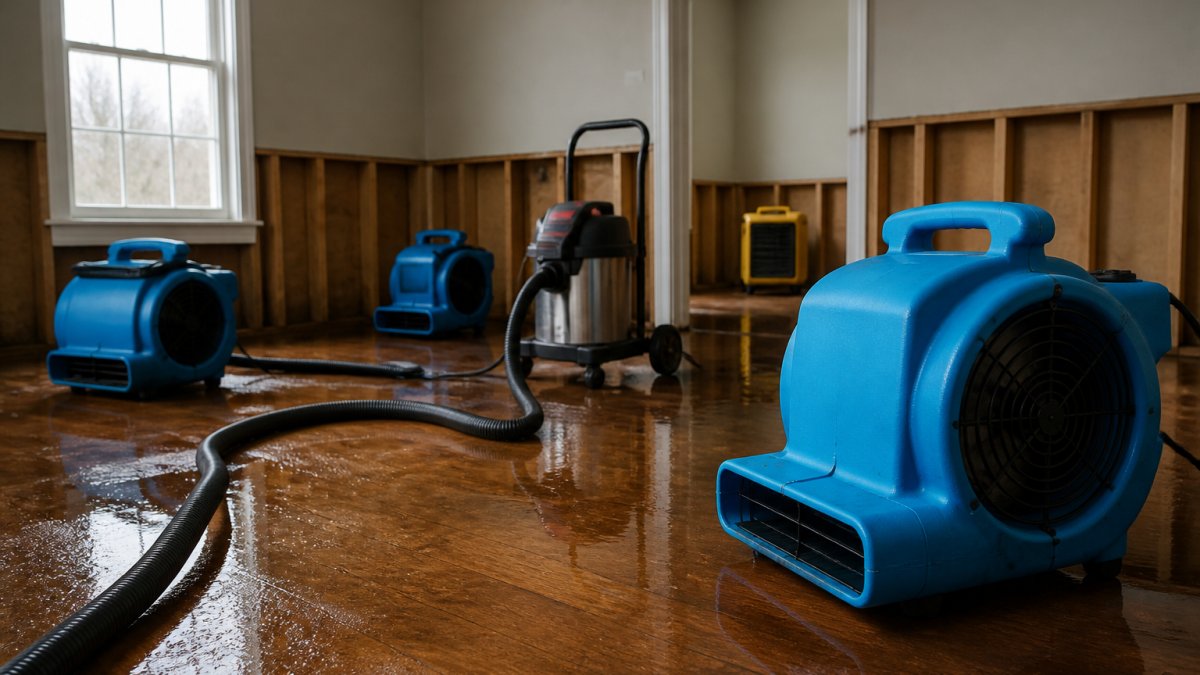
Position fans to move air across wet surfaces and out of the building. Box fans in windows, pedestal fans pointing at walls, and ceiling fans all create circulation. The goal is to push moist air outside and replace it with drier air.
Dehumidifiers remove moisture from the air. Refrigerant dehumidifiers work best in warm conditions above 60 degrees. Desiccant dehumidifiers work in cold conditions. For serious water damage, professional-grade dehumidifiers extract far more moisture than portable units.
Measuring Moisture and Verifying Dryness
Moisture meters measure water content in building materials. Wood should read below 20% moisture content before it's considered dry. Drywall should read below 12%. Materials above these thresholds continue to risk mold growth and structural damage.
Check moisture levels in multiple locations: the center of walls, near the floor, inside cavities, and under flooring. Surface-level drying is misleading, materials can feel dry on top while moisture remains trapped inside. Professional restoration teams use moisture meters throughout the drying process to verify completion.
Drying is complete when moisture readings stabilize and stop decreasing over several days. This typically takes 5-14 days depending on humidity, temperature, and the amount of water absorbed. Rushing this process by stopping dehumidification too early is a common mistake that leads to mold growth weeks later.
Preventing Mold After a Flood
Floodwater Contamination and Cleanup Precautions
Floodwater is not clean water. It contains sewage, chemicals, soil, and pathogens that create health hazards. Any surface that contacted floodwater must be cleaned and disinfected. Use a solution of one cup of bleach per gallon of water, or follow EPA-approved disinfectant instructions.
Wear protective equipment during cleanup: gloves, N95 masks, and eye protection. Mold spores and contaminated particles become airborne during cleanup. Ventilate the space continuously while cleaning. If you have respiratory conditions or a compromised immune system, avoid floodwater cleanup, hire professionals instead.
Clean hard surfaces thoroughly. Drywall and porous materials that absorbed floodwater should be removed rather than cleaned, since contamination penetrates deep into the material. Flooring, trim, and framing can be cleaned if they dried properly and show no mold growth.
Timeline for Mold Prevention
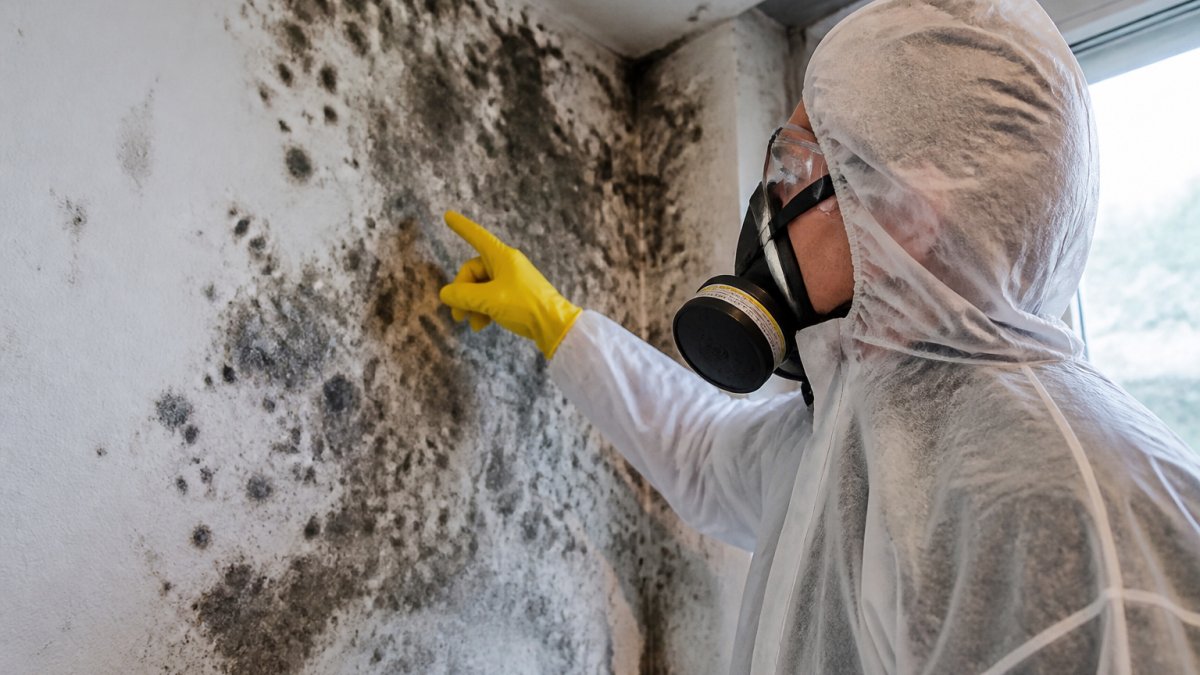
Mold can begin growing within 24-48 hours of water exposure in humid conditions (the CDC). The first 72 hours are critical for preventing secondary damage. Water extraction and drying must start immediately, delay increases mold risk exponentially.
Continue drying and dehumidification for at least 5-7 days after visible water is removed. Moisture deep in walls and under flooring takes longer to evaporate than surface moisture. Stopping dehumidification too early is the leading cause of mold growth after flooding.
Monitor the space for signs of mold for 2-4 weeks after the water event. Musty odors, visible mold spots, or new respiratory symptoms indicate active mold growth. If mold appears, increase ventilation immediately and consider professional remediation to prevent it from spreading through HVAC systems.
Flood Damage Documentation for Insurance
Insurance claims require detailed documentation to succeed. Your photos, inventory, and receipts form the foundation of your claim. Keep all documentation organized and provide it to your adjuster promptly.
Document every step of the restoration process. Keep receipts for professional services, materials, and temporary housing if you evacuated. Document the timeline: when the flood occurred, when you contacted your insurance company, when professionals arrived, and when drying was completed. This timeline shows you acted promptly to minimize damage.
Work with your insurance adjuster throughout restoration. They may want to inspect the property before cleanup begins, or they may require progress photos during the drying process. Staying in communication prevents claim denials based on disputes over what happened or what was damaged.
When to Call a Professional Restoration Team
Professional water extraction and drying should start within the first few hours of discovering water damage. DIY cleanup works for small spills, but significant flooding requires industrial equipment and expertise to prevent secondary damage.
Call a professional if water covered more than a few square feet, if it came from contaminated sources like sewage or floodwater, or if it reached electrical systems or structural areas.
Disaster Services provides 24/7 emergency response to water damage throughout the Greater Houston area. We handle documentation for your insurance claim and manage the entire drying process to prevent secondary damage from developing. Contact us immediately after discovering water intrusion, the first hours determine whether damage stays minor or becomes catastrophic.
Preventing secondary damage after flooding requires speed and precision. The water itself causes damage, but the moisture that remains causes far more if left unaddressed. Start extraction and drying within the first few hours, document everything for your insurance claim, and monitor moisture levels throughout the process.
Frequently Asked Questions
What is the difference between primary and secondary water damage?
Primary flood damage is direct contact with floodwater: saturated flooring, drywall, and belongings. Secondary damage develops afterward from moisture left behind. Hidden moisture in walls, insulation, and subfloors causes structural deterioration, mold, and microbial growth weeks after the initial flood. Secondary damage often costs more to repair than the initial water intrusion because it spreads through building materials and requires professional moisture extraction and drying equipment to address.
How soon should you start drying a flooded house to prevent secondary damage?
Begin drying within the first 24-48 hours. Mold and mildew can start growing within 24 hours in humid conditions. Start by removing standing water immediately, then open windows if weather permits and set up fans and dehumidifiers. Measure moisture levels in walls and flooring with a moisture meter to track progress. Professional water extraction and atmospheric control equipment accelerates drying and prevents hidden moisture from settling into structural materials.
What should you avoid doing after a flood to prevent secondary damage?
Do not leave standing water untreated, as it spreads moisture into subfloors and foundations. Avoid closing windows and doors without air circulation running, which traps humidity. Do not ignore electrical hazards; shut off power at the breaker if water reaches outlets or appliances. Do not use standard household fans alone for large wet areas; they circulate air but don't extract moisture. Avoid painting, sealing, or applying moisture-blocking primer before the space is completely dry, or you'll trap moisture inside and accelerate mold growth.
Can you prevent secondary damage yourself, or do you need professional water damage restoration?
Small water intrusions from a burst pipe or minor leak can often be managed with prompt removal of standing water, fans, and dehumidifiers. However, significant flooding, floodwater contamination from sewer backup or storm damage, or water that has reached walls and subfloors requires professional water extraction and drying equipment. Professionals use moisture meters to verify dryness, employ IICRC-compliant methods, and document the restoration process for insurance. Professional drying prevents costly secondary damage that DIY approaches often miss.