 how-to
7 Fire Damage Restoration Prep Steps Before Crews Arrive
Last Updated: November 4, 2026
Quick Summary
To prepare for fire damage restoration, confirm the fire department has cleared the structure for entry, then open your insurance claim and photograph every affected room before anything moves. Keep people and pets out of damaged areas, leave utilities alone, and hold off on discarding items until your adjuster has seen them.
- Do not step inside until the fire department has released the property as safe to enter.
- Open your claim early and get the claim number plus the adjuster's name, direct line, and email.
- Photograph and video each room wide first, then close, before moving or cleaning anything.
- Never flip breakers, relight pilot lights, or turn gas valves in a fire-damaged home.
- Keep receipts for emergency purchases like lodging, meals, and clothing for reimbursement.
Table of Contents
- Follow This Fire Restoration Checklist Before Crews Arrive
- Step 1: Confirm the structure is cleared for entry
- Step 2: Open the insurance claim before you touch anything
- Step 3: Document the damage before anything moves
- Step 4: Keep people and pets out of damaged areas
- Step 5: Leave utilities alone unless a professional directs you
- Step 6: Clear a path and stage a staging area
- Step 7: Preserve evidence and hold off on discards
- Step 8: Write down what you remember
- Step 9: Ask the crew what they need from you
- Step 10: Plan for the first 72 hours away
- Safety First: When It's Safe to Re-Enter
- What Not to Touch, Clean, or Discard
- Understand the Fire Restoration Process Step by Step
- Gather Fire Damage Insurance Claim Documentation
- Prepare Pets, Medications, and Essential Belongings
- A Realistic Fire Damage Restoration Timeline
- How to Choose a Fire Damage Restoration Contractor
- Schedule Your Free Inspection with Disaster Services
- Frequently Asked Questions
Follow This Fire Restoration Checklist Before Crews Arrive
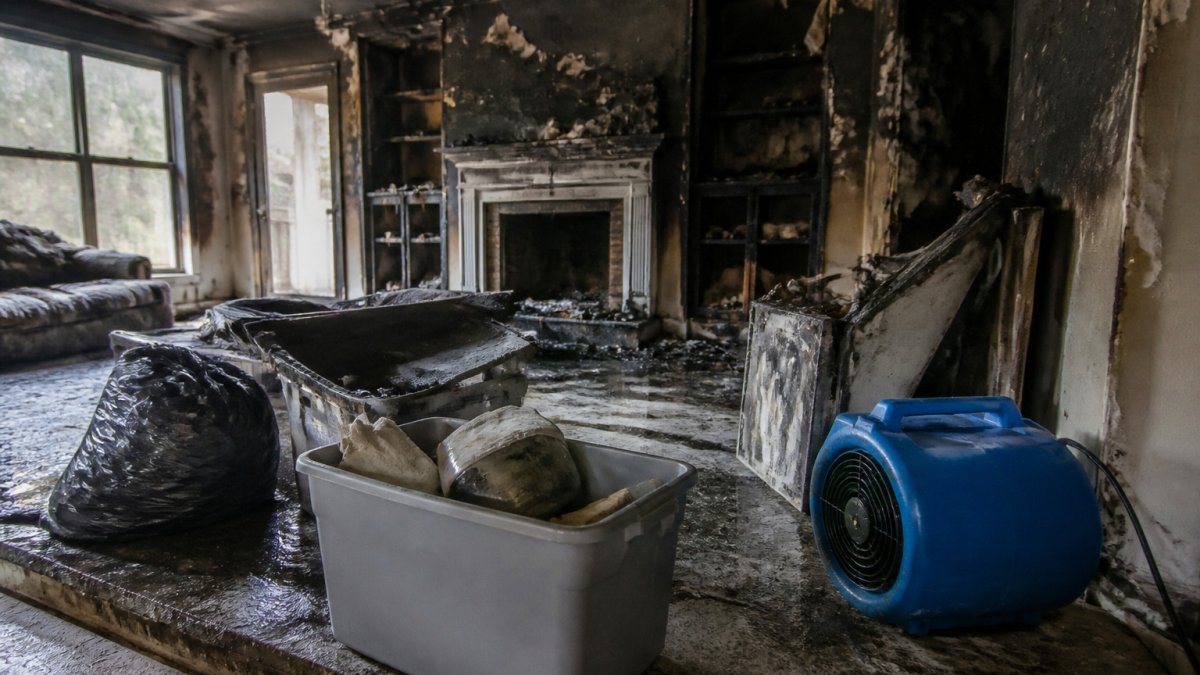
A house fire leaves behind more than charred walls. Smoke particles settle into every surface, water from firefighting hoses soaks into drywall, and soot begins etching metal and staining fabric within hours.
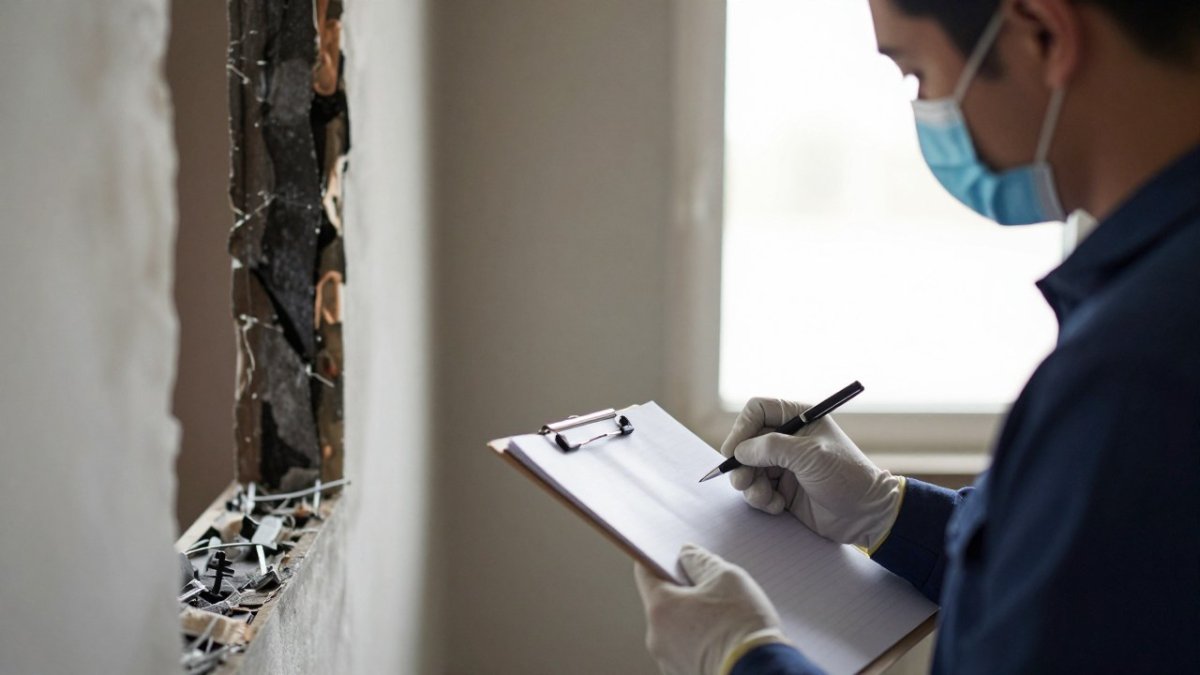
Step 1: Confirm the structure is cleared for entry
Do not step inside until the fire department has released the property and told you the structure is safe to enter. A fire can be out for hours while hidden hazards remain: floors weakened by charred joists, live wiring exposed when insulation burned away, and gas that can pool in low rooms.
Step 2: Open the insurance claim before you touch anything
Call your insurer and open a claim as soon as you have a safe place to make the call. Ask for the claim number and the assigned adjuster's name, direct line, and email in the same conversation. Most policies require prompt notice of loss, and the claim number is what later receipts, photos, and estimates are typically tied to.
Step 3: Document the damage before anything moves
Photograph and video every affected room before you move, clean, or discard a single item. Work room by room and shoot wide first, then close. Capture the ceiling, walls, floor, and contents in each frame, and include a shot of a doorway or window so each room is identifiable later.
Step 4: Keep people and pets out of damaged areas
Restrict foot traffic to a single path between the entry and the rooms you need to access. Soot tracked through a clean hallway turns a small cleaning job into a whole-house one, and smoke residue on fur and paws can make pets sick.
Step 5: Leave utilities alone unless a professional directs you
Do not flip breakers, relight a pilot light, or turn gas valves in a fire-damaged home. Let a licensed technician confirm the gas and electrical systems first. If the fire department shut off power or gas at the meter, only the utility or a licensed contractor should restore it.
Step 6: Clear a path and stage a staging area
Clear a walkable path from the front door to the damaged rooms so crews can carry equipment in without brushing past belongings. Pick one clean room near the entry as a staging area for your keys, phone, medications, and paperwork, and keep it off-limits to the crew.
Step 7: Preserve evidence and hold off on discards
Do not throw away damaged items yet. Your adjuster may need to inspect them, and some items that look ruined are salvageable.
Watch out: the most common preparation mistake is scrubbing soot off walls with a household cleaner before the crew arrives.
Step 8: Write down what you remember
Before days blur together, write a short timeline: when the fire started, when the fire department arrived and left, what rooms were affected, and what you did in the first hours. Adjusters and contractors both rely on this account, and your memory of the first 24 hours fades faster than you expect.
Step 9: Ask the crew what they need from you
When you call a restoration company, ask what they want ready before arrival, parking, gate codes, a key contact, and whether they need you on site. A prepared homeowner shortens the gap between arrival and work starting, which is the window when secondary damage does the most harm.
Step 10: Plan for the first 72 hours away
Assume you will not sleep at home for at least a few nights. Pack medications, chargers, IDs, a change of clothes, and pet supplies before you leave the property, and line up lodging you can extend if the timeline stretches.
Safety First: When It's Safe to Re-Enter
Re-enter only after the fire department says the structure is safe. Fires can leave hidden hazards: weakened floors, live wiring, and gas leaks.
Watch out: never flip a breaker or relight a pilot light in a fire-damaged home. Let a licensed technician confirm the gas and electrical systems first.
What Not to Touch, Clean, or Discard
Do not scrub soot off walls yourself. Household cleaners can set stains deeper and spread contamination.
Leave these alone:
- Charred furniture and textiles
- Electronics or appliances touched by water or soot
- Anything the fire department moved or covered
A common mistake is tossing "ruined" belongings before the claim is documented.
Here are the prep steps to work through before restoration crews arrive, in the order the article recommends.
| Step | What to do |
|---|---|
| 1 | Confirm the fire department has cleared the structure for entry |
| 2 | Open the insurance claim and get claim number and adjuster details |
| 3 | Photograph and video every affected room before anything moves |
| 4 | Keep people and pets out of damaged areas |
| 5 | Leave utilities alone unless a professional directs you |
| 6 | Clear a path and set up a staging area |
| 7 | Preserve evidence and hold off on discards |
| 8 | Write down a timeline of what you remember |
Understand the Fire Restoration Process Step by Step
The fire restoration process generally moves from emergency response to full reconstruction. For more detail, see our guide to emergency fire damage restoration.
Emergency Response and Property Security
Emergency response secures the property to stop further damage before cleanup begins. The FEMA guidance on fire safety and recovery is a useful reference for what to expect after a fire.
Water Extraction, Debris Removal, and Smoke Cleanup
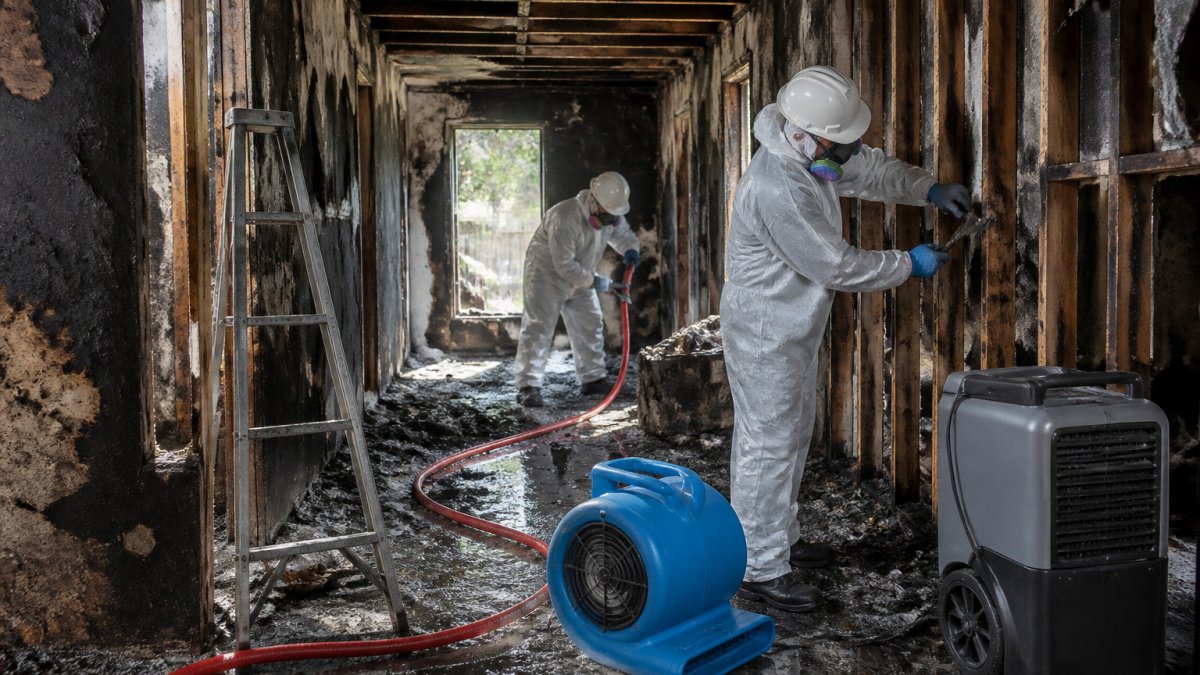
Firefighting can leave standing water, which should be removed promptly. Water extraction and drying generally come first, followed by debris removal and soot cleanup before reconstruction.
Gather Fire Damage Insurance Claim Documentation
Fire damage insurance claim documentation is the paperwork that decides how smoothly your claim moves. Build it before the crew arrives so nothing gets missed.
Collect:
- Photos and video of every damaged room
- A written list of damaged items with dates and values
- Receipts or bank statements for big purchases
Keep a copy of everything in one folder, digital or paper. For more on the process, see our step-by-step insurance claims guide.
Prepare Pets, Medications, and Essential Belongings
Get people and pets settled somewhere safe before cleanup begins. Smoke residue clings to fur and can make animals sick, so board pets elsewhere until the home is cleared.
Grab these essentials:
- Prescriptions and medical supplies
- IDs, passports, and financial papers
- Phone chargers and a change of clothes
Pack light. You can return for more once the property is secure and the air is tested.
A Realistic Fire Damage Restoration Timeline
A fire damage restoration timeline depends on the size of the fire and how much water came with it.
For more on arrival timing, see our guide to emergency response time expectations. Knowing the timeline helps you plan housing and work around the repairs.
How to Choose a Fire Damage Restoration Contractor
Choosing a contractor is the highest-stakes decision in the recovery, because the company you authorize controls the scope of work, the paperwork your insurer sees, and the quality of the rebuild. The questions below are the ones that separate a prepared contractor from a fast-talking one.
Verify licensing, insurance, and certifications
Ask for the company's state contractor license number and verify it through your state's licensing board before work begins. Request a certificate of insurance showing both general liability and workers' compensation coverage, and confirm the policy is current by calling the insurer listed on the certificate.
Pin down the scope of work in writing
Ask for a written scope of work that lists every task and the rooms involved, with quantities named. Compare that scope against your adjuster's estimate line by line. Gaps between the two are where disputes start, so resolve them before signing.
Ask who does the rebuild
Some restoration companies clean and dry but hand reconstruction to a separate general contractor; others do both in-house. A single company that handles cleanup and reconstruction saves you from juggling multiple contractors, multiple schedules, and multiple sets of paperwork.
Test responsiveness and communication
Ask how soon crews can be on site and who your point of contact will be. A company that answers the phone at 2 a.m. but cannot name your project manager is a warning sign. Ask how often you will get updates, whether you will receive photos of progress, and how change orders and additional damage discovered mid-job are communicated.
Check local presence and references
Ask how long the company has operated in your area and request references from fire jobs completed in the past year. Local and national firms each have trade-offs worth weighing. See our guide on local versus national restoration for more.
Watch the red flags
Be cautious of any contractor who asks you to sign a blank authorization, pressures you to sign before your adjuster has seen the scope, demands full payment upfront, or offers to "handle everything" with your insurer without showing you the paperwork.
Get it in writing before you authorize work
Before any crew starts, you should have a signed contract that names the scope, the price structure, the payment schedule, the project manager, and the dispute process. Keep a copy with your insurance documentation. A clear contract protects you if the job runs long or the scope changes, and it gives your adjuster a clean record to work from.
Schedule Your Free Inspection with Disaster Services
You do not have to sort through the damage alone. Disaster Services offers 24/7 emergency response, a free visual inspection, and insurance claims assistance from a locally owned team.
If your business was hit, see our commercial fire and smoke restoration service. Get started with Disaster Services and get your property back to safe and livable.
Frequently Asked Questions
How long does fire damage restoration take?
Most fire damage restoration projects take several weeks to a few months, depending on the extent of structural damage, smoke contamination, and water intrusion from firefighting. Timelines vary widely with the size of the fire and the extent of repairs. The fire damage restoration timeline also depends on insurance claim processing, material availability, and whether reconstruction is required. A professional assessment within the first 24 to 48 hours gives you a more accurate schedule.
What should I avoid touching after a fire?
Do not touch charred structural elements, electrical wiring, gas lines, or anything covered in soot. Soot contains acidic residues that can corrode surfaces and harm your skin and lungs. Avoid cleaning walls, upholstery, or electronics yourself, because improper cleaning can push soot deeper into porous materials. Also, do not discard damaged items before your insurance adjuster documents them. Leave salvageable materials assessment to the professionals, and keep everyone away from standing water and debris until the restoration crew secures the property.
How do I document fire damage for an insurance claim?
Start by photographing and video-recording every affected room, including close-ups of damaged furniture, appliances, and personal belongings. Keep a written inventory of destroyed or damaged items with purchase dates and estimated values if you have receipts. Save all receipts for emergency expenses like temporary lodging and meals. Do not throw away damaged items until the adjuster has seen them. Provide your insurance company with a copy of the fire report and a detailed list of damaged property. A restoration contractor can help organize this fire damage insurance claim documentation to support your claim.
Can I stay in my home during fire damage restoration?
In most cases, you cannot stay in your home during fire damage restoration, especially if there is structural damage, no working utilities, or heavy smoke and soot contamination. Even small fires can leave harmful particles in the air that require professional air scrubbing and HEPA filtration. If the fire was contained to one room and the rest of the home is deemed safe by a professional, partial occupancy may be possible. Always follow the guidance of your restoration contractor and local safety officials before returning.