 ultimate-guide
How to Navigate Home Insurance Claims: Step-by-Step Guide
Last Updated: October 27, 2026
Quick Summary
To handle a home insurance claims request, first prevent further damage and document everything with photos and video. Then contact your insurer, get a claim number, and ask about next steps before any inspection or repairs begin.
- Compare the estimated repair cost to your deductible before deciding whether to file.
- Photograph and video all damage before any cleanup begins.
- Keep receipts for emergency mitigation costs, since policies generally cover reasonable measures.
- Do not sign a settlement or proof of loss form on the spot during the inspection.
- Request a line-by-line copy of the adjuster's estimate and compare it to your contractor's bid.
Table of Contents
- What a Home Insurance Claim Is and When to File One
- How to File a Homeowners Insurance Claim
- Home Insurance Claim Documentation Checklist
- Working With the Insurance Adjuster and Inspection
- Home Insurance Claim Timeline and Deadlines
- Understanding Payments, Depreciation, and Out-of-Pocket Costs
- Home Insurance Claim Denial Appeal Options
- Getting Your Home Insurance Claim Started Today
- Frequently Asked Questions
Filing a home insurance claims request after a storm, flood or burst pipe is stressful, and the process is easy to get wrong. This guide walks through the claim from first report to final payment, so you know what to do at each stage. Use it alongside your own policy, which controls what is actually covered under your home insurance claims.
What a Home Insurance Claim Is and When to File One
A home insurance claim is a formal request asking your insurer to pay for a covered loss, such as fire, wind, hail, or sudden water damage. Not every incident is worth filing. A claim can raise future premiums, and your deductible may exceed the repair cost. A common approach is to estimate the repair cost first, compare it to your deductible, and check whether the damage falls under a covered peril in your policy. When the damage is clearly larger than the deductible, or when you need help paying for temporary housing, filing is usually the right move. Report promptly regardless, because most policies require notice within a set period.
How to File a Homeowners Insurance Claim
Follow these steps in order:
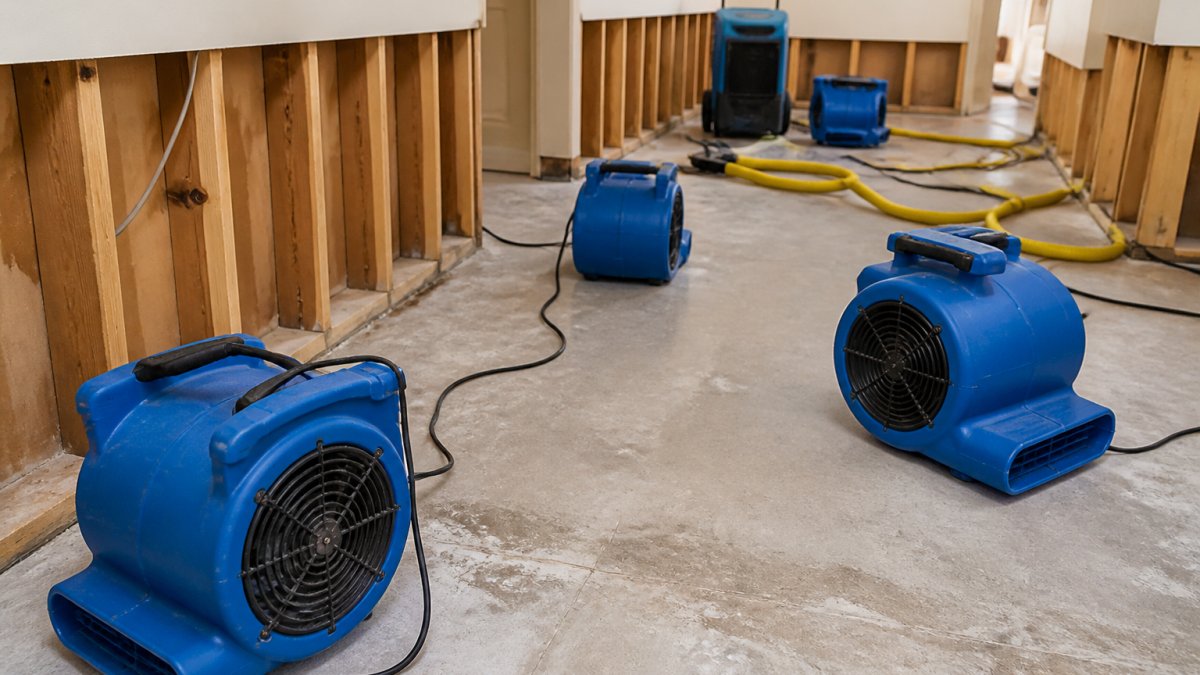
- Prevent further damage. Shut off water, cover broken windows, and run dehumidifiers. Keep receipts for emergency measures, since policies generally cover reasonable mitigation costs.
- Document the damage. Photograph and video everything before cleanup begins.
- Contact your insurer. Use the number on your policy or the insurer's app. Give the date, cause, and a description of the loss.
- Get a claim number. Write it down along with the adjuster's name and contact details.
- Ask about next steps. Confirm whether an adjuster will inspect the property and whether you should hire a contractor before the inspection.
Home Insurance Claim Documentation Checklist
The goal is not just to take pictures, it is to build a claim file that answers the adjuster's questions before they are asked. For more specific tips on documenting water damage losses, see our article. Keep updating it until the claim closes.
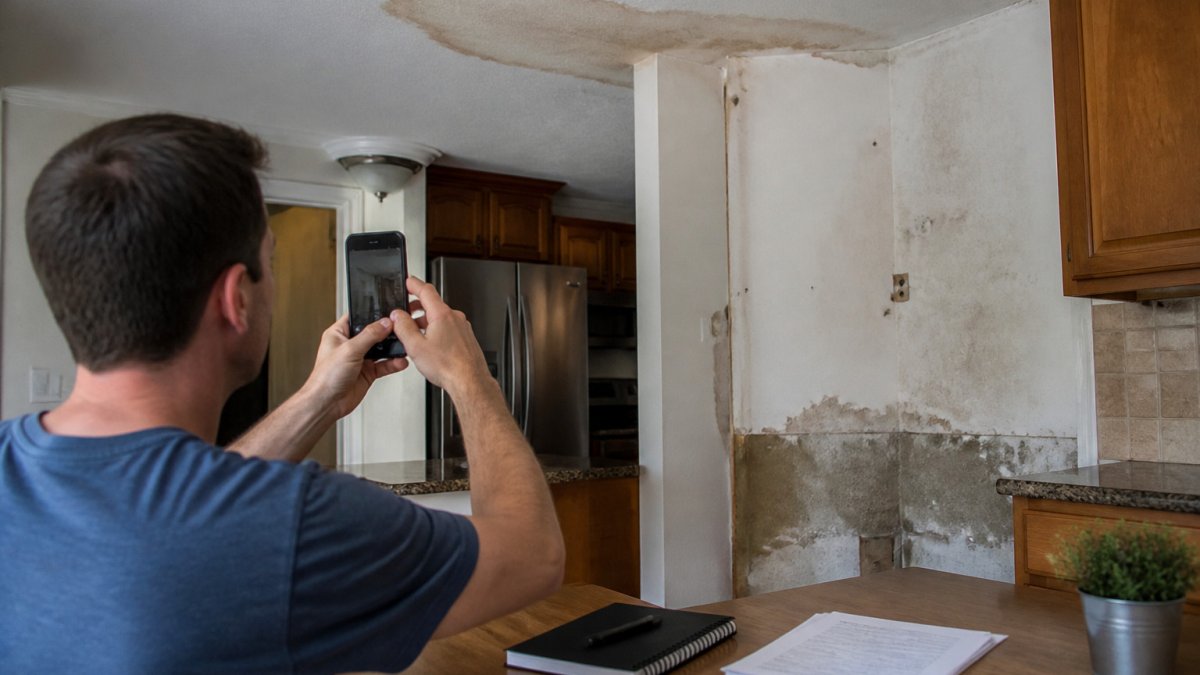
Photo and video capture checklist
Shoot wide, then close, then detail. For each affected area:
- A wide shot of the room or exterior showing the full extent of damage in context
- Mid-range shots of each damaged surface (walls, floors, ceilings, cabinetry)
- Close-ups of cracks, stains, sagging, warping, or water lines, include a ruler or coin for scale
- Serial-number plates on appliances, electronics, and HVAC equipment
- The cause if visible (failed supply line, missing shingles, broken window)
- A slow walk-through video narrating each room, with the date and time spoken aloud
- Exterior shots from all four sides, plus roof and gutters if safely reachable from the ground
Home inventory template
A written inventory carries as much weight as photos. For each item, record:
| Field | What to enter |
|---|---|
| Item | Brand, model, and a short description |
| Room | Where it was located |
| Purchase date | Approximate month and year is fine |
| Purchase price | What you paid, in USD |
| Proof | Receipt, bank or card statement, photo, or manual |
| Condition | Age and pre-loss condition |
You do not need receipts for everything. A credit card statement line, an email order confirmation, or a photo of the item in place all help establish that it existed and what it was worth. Walk room by room and open closets and drawers, contents claims are routinely underreported because people inventory only what they see.
Dated communication log
Keep a single running log of every contact with the insurer, adjuster, contractor, and any public adjuster. For each entry, capture:
- Date and time
- Who you spoke with (name, role, phone or email)
- What was said or promised
- What you agreed to and what you refused
- Any document you sent or received
Keep the log as a record of what was communicated and when.
What to keep and what not to throw away
Do not discard damaged items until the adjuster has seen them or has confirmed in writing that you may. If you must remove debris for safety or to prevent further damage, photograph and video it first, keep a sample where practical, and note the disposal in your log. Save receipts for emergency mitigation, temporary repairs, and any temporary housing.
Build the file in one place
Keep a digital folder with subfolders for photos, video, inventory, receipts, contractor estimates, and correspondence, and back it up. A paper binder with the same sections works too. The point is to keep the materials organized so you can find them when the adjuster asks.
Working With the Insurance Adjuster and Inspection
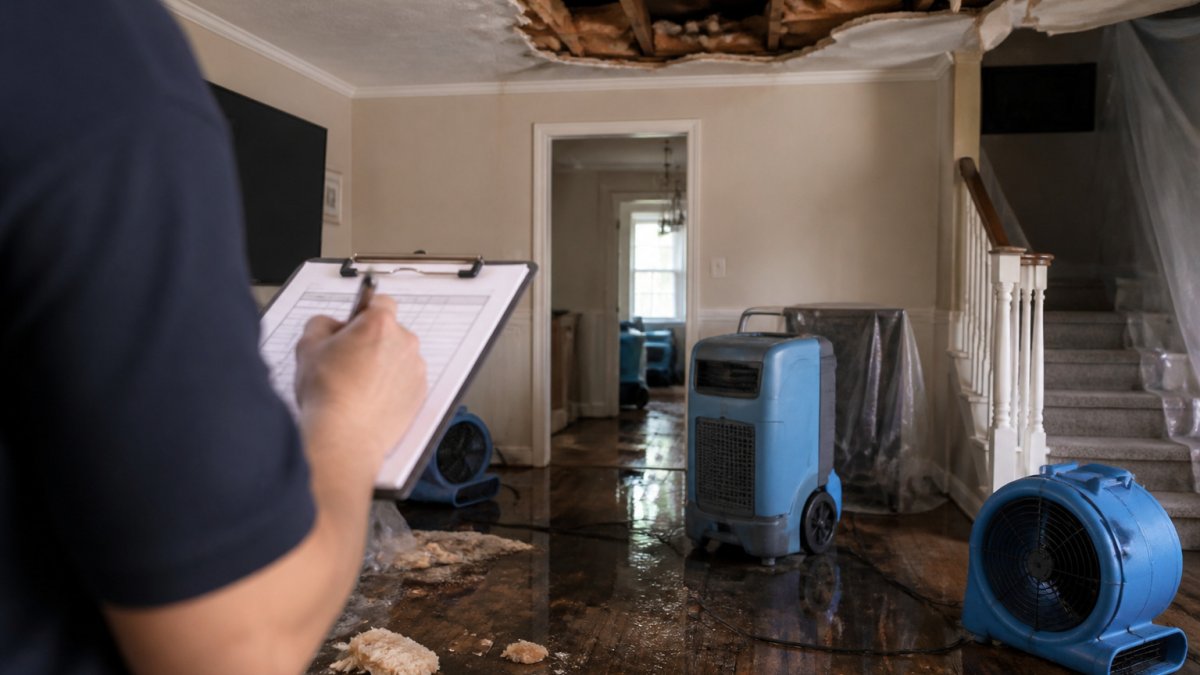
The adjuster works for the insurer, not for you. That does not make the adjuster your adversary. Our blog covers practical do's and don'ts for preparing for and getting through the adjuster visit.
Before the inspection: build your packet
Have these ready and organized before the adjuster arrives:
- Your policy declarations page and any endorsements, so you can point to the coverage you believe applies
- Your photo and video file, inventory, and receipts (see the documentation section)
- At least one written estimate from a licensed contractor, ideally two
- Your dated communication log
- A one-page summary of the loss: date, cause, affected areas, and the total you believe is owed
A one-page summary is not required.
During the inspection: walk it, don't watch it
Be present and walk every affected area with the adjuster. Point out damage they might miss, the water stain behind the refrigerator, the soft spot in the subfloor, the crack that opened after the storm. Ask them to explain what they are measuring and how they are pricing it. If they decline to include an item, ask them to note in the file that it was pointed out and excluded, and why.
Understanding the adjuster's estimate
Ask for a copy of the adjuster's estimate, line by line. Compare it against your contractor's bid and look for these common gaps:
- Scope omissions, areas or items the adjuster did not include
- Quantity differences, square footage, linear feet, or item counts that are lower than your contractor's
- Code upgrades, items required by current building code that may or may not be covered depending on your policy
- Matching, whether replacement materials will match undamaged adjoining areas
- Depreciation, how much was withheld and on what basis
You do not need to accept the first number. A written, itemized response can point to specific lines and explain the difference, with your contractor's estimate attached.
When the estimate is low: the supplement
If new damage is found during repairs, or the adjuster's scope missed items, you can ask the insurer about submitting additional information. Photograph newly exposed damage before it is covered up and keep a written record.
Escalation options if you cannot agree
NAIC guide to filing a homeowners claim
Home Insurance Claim Timeline and Deadlines
Claim timelines vary by insurer, loss size, and whether the claim is disputed. If you are unsure whether your water damage is serious enough to file, our blog explains how to judge its severity. Check your policy and the relevant insurance department's consumer guidance for applicable requirements. Texas Department of Insurance consumer guidance
Understanding Payments, Depreciation, and Out-of-Pocket Costs
Coverage and payment calculations depend on the policy. Our article explains whether emergency water extraction is included in a typical policy. Ask the adjuster to explain any deductions in writing so you can review the amount before accepting payment.
Home Insurance Claim Denial Appeal Options
A denial or partial denial is not necessarily final. Our full guide on how to appeal and challenge a claim decision walks through each option, step by step. Start by requesting the written reason and the policy language it relies on. Then consider these options:
- Request a reinspection with your own contractor or an independent engineer present.
- Submit a supplemental claim if new damage is discovered after the initial settlement.
- Use the insurer's internal appeal process, which is usually required before escalating.
- File a complaint with your state insurance department, which can review the insurer's handling.
- Hire a licensed public adjuster, who works for you and typically takes a percentage of the recovery.
Keep every letter and call log. A well-documented appeal is far more persuasive than an emotional one.
Getting Your Home Insurance Claim Started Today
Start by documenting the damage and contacting your insurer. If you need emergency mitigation, a free visual inspection, or assistance navigating an insurance claim, contact Disaster Services. Our licensed and insured technicians provide emergency restoration and remediation services. Contact us today to get started.
Frequently Asked Questions
Are all insurance claims investigated?
Insurers may review the reported loss and the information submitted. Check with your insurer about its process and any information it needs.
What documents do I need to file a homeowners insurance claim?
Ask your insurer what information and documents it requires for your claim. Requirements may depend on your policy and the reported loss.
How long does a homeowners insurance claim take?
Claim timelines can vary. Ask your insurer about the expected process and any deadlines that apply to your claim.
Should I make temporary repairs before the insurance adjuster visits?
Ask your insurer what steps to take before making repairs. Photograph the damage and keep receipts for materials and services. Ask the insurer before discarding damaged items, unless they must be removed for safety.
What can I do if my homeowners insurance claim is denied or underpaid?
Ask the insurer to explain its decision and identify the policy terms it relied on. Review the explanation and ask the insurer what options are available if you disagree. You may also seek advice from a qualified professional.