 blog
How to Compare Belfor vs Paul Davis for Restoration
Last Updated: October 30, 2026
Quick Summary
Belfor vs Paul Davis comes down to operating model: Belfor's corporate structure tends to produce consistent documentation templates and internal review, while Paul Davis documentation quality tracks the franchise owner and project manager. Compare written arrival windows, equipment depth, and whether each bid covers mitigation only or the full rebuild.
- Ask who the on-site project manager is and whether they are employed or a subcontractor.
- A low bid that excludes reconstruction is a partial bid, not a low bid.
- A well-documented $40,000 loss gets approved faster than a poorly documented $15,000 loss.
- Stop work if a crew starts demolition before photographing and moisture-mapping wet materials.
- Request a sample daily moisture log and line-item scope before you sign.
Table of Contents
- Belfor vs Paul Davis: Key Differences at a Glance
- How Belfor and Paul Davis Handle Water Damage Restoration
- Fire, Smoke, and Mold: Comparing Specialized Services
- Restoration Company Response Time: What to Expect from Each
- Restoration Estimate Comparison: How to Read Bids from Belfor and Paul Davis
- Insurance Claims and Documentation: Belfor vs Paul Davis
- Questions to Ask a Restoration Company Before You Sign
- Choosing the Right Restoration Partner for Your Property
- Frequently Asked Questions
Belfor vs Paul Davis: Key Differences at a Glance
Most "Belfor vs Paul Davis" pages either reprint marketing copy or list scattered reviews. Neither helps you decide. The useful comparison is not which brand is bigger, it is which operating model fits your loss, your timeline, and your insurance claim. Below is a criteria-based comparison you can actually use, followed by the questions that expose the difference during a bid. For a wider view of how these brands stack up, see our Paul Davis alternatives breakdown.
| Decision criterion | Belfor | Paul Davis | Why it matters |
|---|---|---|---|
| Ownership model | Corporate branches tend to follow one playbook; franchise quality tracks the local owner | ||
| Typical strongest fit | Matching the model to the loss avoids a crew that is stretched or under-equipped | ||
| Dispatch path | The dispatch path determines your after-hours arrival window | ||
| Equipment depth | Equipment depth affects drying duration and demolition scope | ||
| Documentation standardization | Varies by franchise owner and project manager | Documentation quality drives claim approval more than damage severity | |
| Reconstruction capability | A mitigation-only bid is a partial bid | ||
| Pricing basis | Similar software means scope differences, not price differences, drive most gaps | ||
| Service consistency | Depends on the specific office | The franchise model is the single biggest variable in your experience |
Three things this table does not tell you, and you should ask directly:
- Who is the on-site project manager, and are they employed by the company or a subcontractor? The person managing your job matters more than the logo on the van.
- What is the written after-hours arrival window? "24/7" is a slogan until it is a number in the contract.
- Does the estimate cover mitigation only or the full rebuild? A low mitigation bid that excludes reconstruction is not a low bid.
How Belfor and Paul Davis Handle Water Damage Restoration
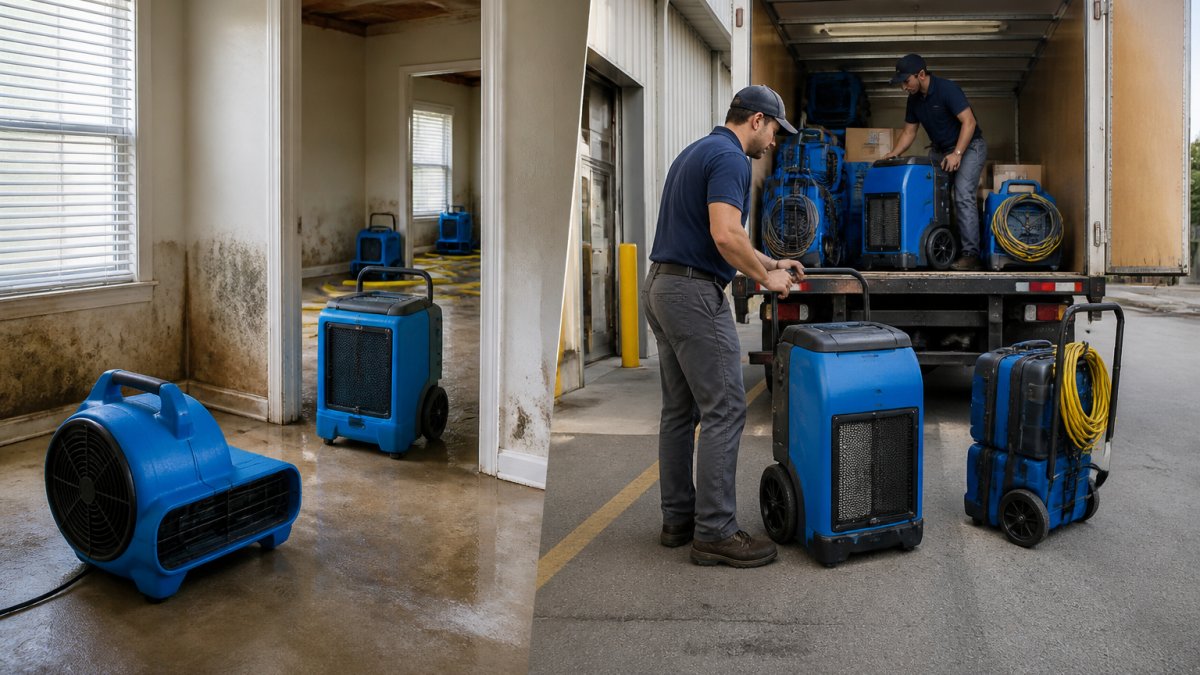
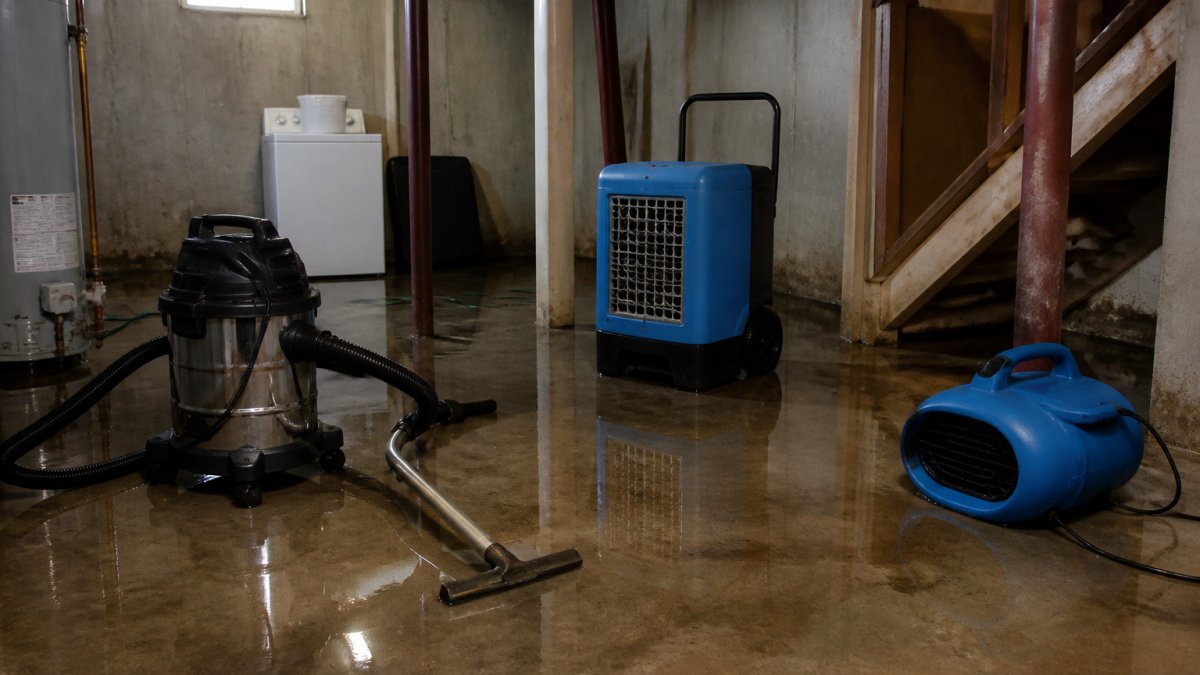
Water damage restoration follows the same core sequence at both companies: stop the source, extract standing water, dry structural materials, and document everything for the claim. The difference sits in execution speed and equipment depth.
A common mistake homeowners make is judging a company by the size of its truck rather than the moisture readings it takes. Ask for daily psychrometric logs and photo documentation of drying progress. Watch out: if a crew starts demolition before documenting wet materials, your insurance adjuster may dispute part of the claim. Our guide to the water damage restoration process explains what a proper drying timeline should look like.
Fire, Smoke, and Mold: Comparing Specialized Services
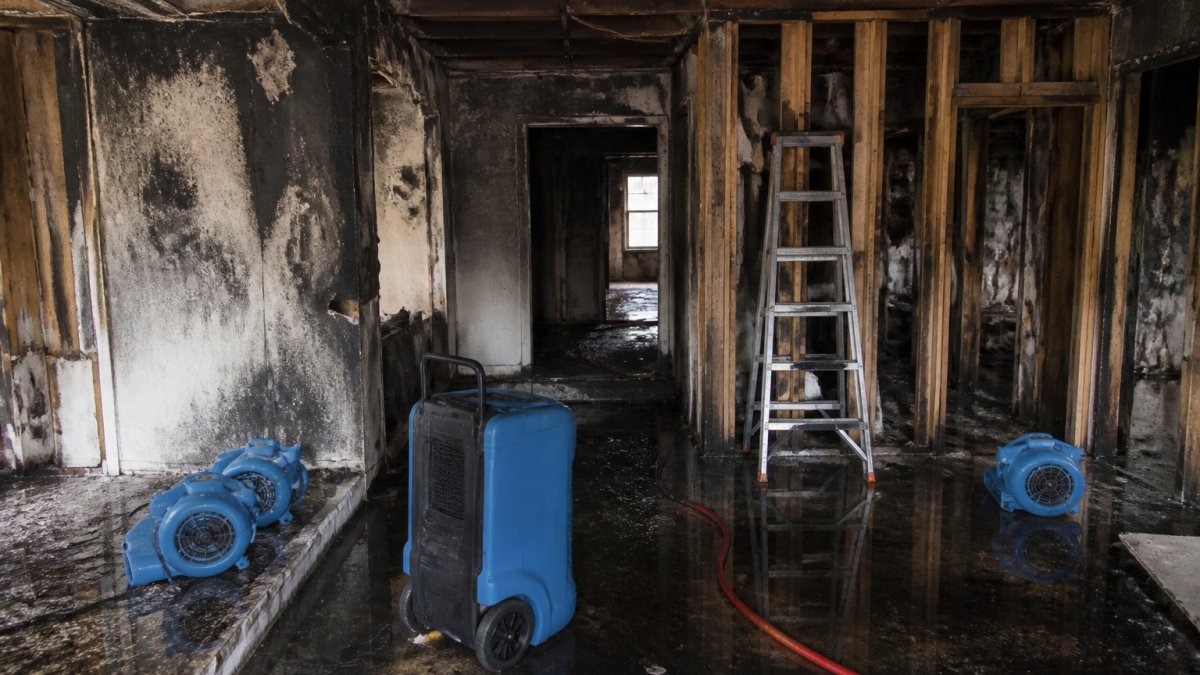
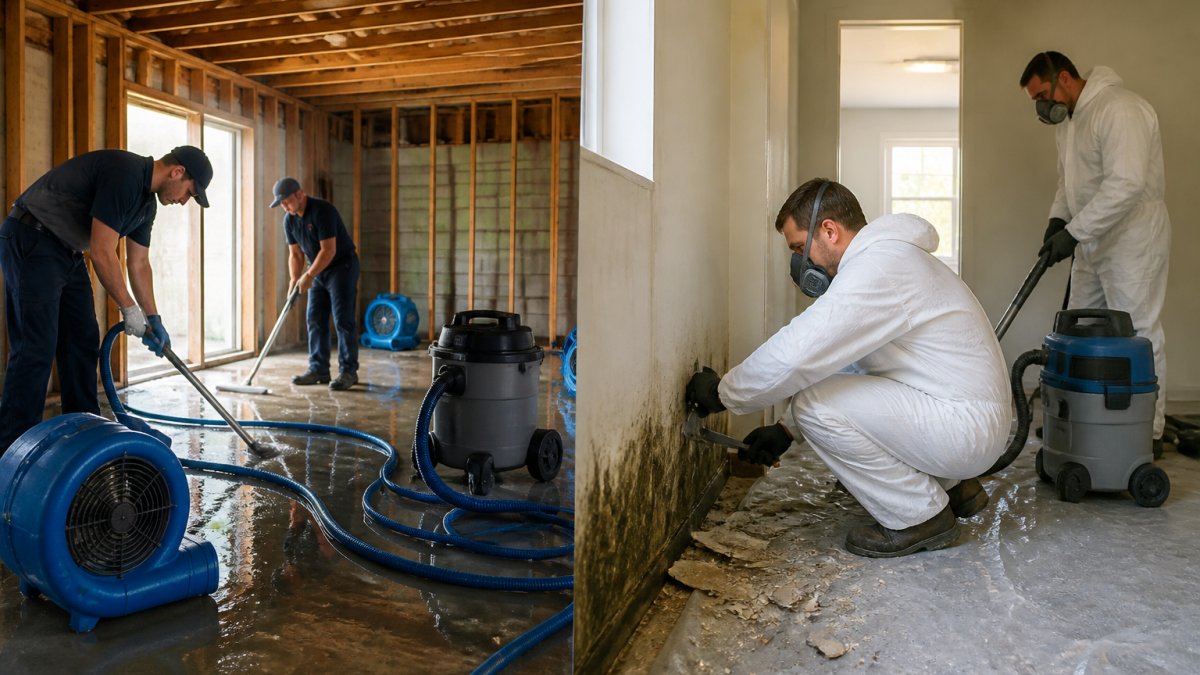
Specialized work is where the two companies diverge most. Fire and smoke damage restoration requires odor neutralization, not just surface cleaning. Mold remediation typically involves containment and established removal and clearance practices.
Questions worth asking before you sign:
- Does the crew use thermal fogging or hydroxyl generators for smoke odor?
- Is mold containment built with negative air pressure?
- Will the same team handle reconstruction, or will you need a separate contractor?
- Who writes the scope of work, and does it match the adjuster's estimate?
What most guides miss is that smoke odor returning months later usually means the source was never fully removed, only masked. That is a process failure, not a product failure.
Restoration Company Response Time: What to Expect from Each
Response time is the number that decides how much of your property survives. National brands route calls through dispatch centers, which can add delay before a local crew is assigned. Franchise operations vary widely: an office with strong staffing can be on site quickly, while an understaffed one may quote hours and arrive the next day.
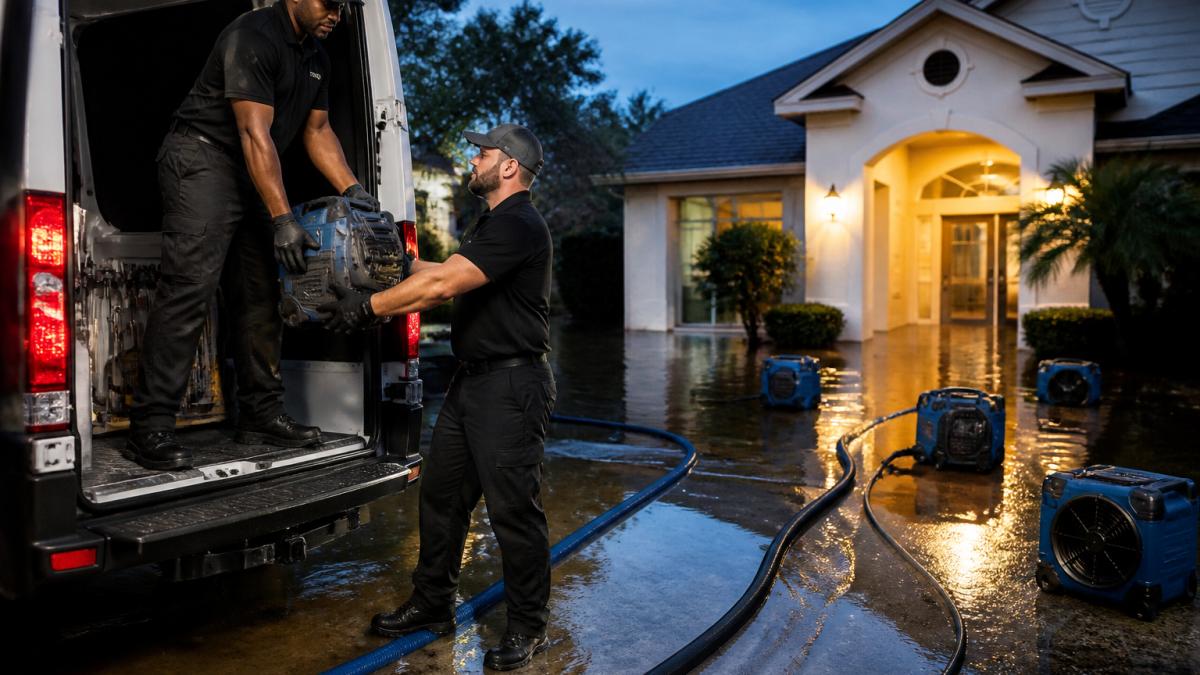
Ask each company for a written arrival window and what happens after hours. If mold is already a concern, every hour of standing water matters.
Restoration Estimate Comparison: How to Read Bids from Belfor and Paul Davis
Estimates for restoration work are commonly built on industry pricing software, so large differences between bids often reflect differences in scope. Compare line by line: square footage of affected material, drying equipment days, demolition allowances, and reconstruction exclusions. Our guide to restoration cost estimates explains what these figures really include.
Watch out: a low bid that excludes reconstruction is not a low bid. It is a partial bid. Ask whether the estimate covers mitigation only or the full rebuild.
Insurance Claims and Documentation: Belfor vs Paul Davis
Documentation quality decides claims more often than damage severity does. A well-documented $40,000 loss gets approved faster than a poorly documented $15,000 loss.
The claim workflow both companies should follow
A proper restoration claim moves through the same stages regardless of brand:
- First notice of loss and assignment. The restoration company is dispatched by you or your insurer. Confirm who authorized the work and get the claim number in writing.
- Emergency mitigation and initial documentation. Before demolition, the crew should photograph and moisture-map every affected material. This is the single most disputed step in the claim.
- Scope of work and estimate. The company writes a scope using industry estimating software and submits it to the adjuster. Line items should match the documented damage.
- Adjuster review and negotiation. The adjuster compares the scope to policy coverage. Supplements are common when hidden damage is found after demolition begins.
- Drying monitoring and daily logs. Psychrometric readings, equipment placement, and daily photos create the record that supports the drying charges.
- Completion, clearance, and final invoice. Final documentation should reconcile the original scope, supplements, and actual work performed.
Where Belfor and Paul Davis diverge
- Standardization. Belfor's corporate structure tends to produce consistent templates and internal review before submission. Paul Davis documentation quality tracks the franchise owner and the individual project manager, so two offices can produce very different reports.
- Adjuster coordination. Large corporate losses often involve a company claim manager who coordinates directly with the insurer. Residential franchise jobs usually route through the local office, which can be faster or slower depending on staffing.
- Supplement handling. Ask each company how they handle discovered damage after demolition. A company that documents as it demolishes and submits supplements promptly protects you from out-of-pocket surprises.
Documents to request before you sign
- A sample daily moisture log and photo report
- A sample scope of work with line-item detail
- Written confirmation of who communicates with the adjuster
- The supplement process and expected turnaround
- A statement of whether the estimate is mitigation-only or includes reconstruction
If a company cannot show you what its documentation looks like, that is your answer.
Questions to Ask a Restoration Company Before You Sign
Before signing anything, get clear answers to these:
- What is your guaranteed arrival window, including nights and weekends?
- Who is the on-site project manager, and can I reach them directly?
- Will you provide daily moisture readings and photos?
- Does the estimate include reconstruction, or mitigation only?
- How do you document the loss for my adjuster?
- Are your technicians certified and insured?
- What happens if mold is found after drying begins?
A company that answers these without hesitation is a company worth trusting.
Choosing the Right Restoration Partner for Your Property
The right choice depends on your property and your timeline. Our guide to choosing local vs national restoration can help you weigh the tradeoffs.
At Disaster Services, we built our model around the gap these national brands leave: 24/7 emergency response, a locally owned team that answers directly, free visual inspections, and full insurance claims assistance from first call to final rebuild. We handle water extraction, structural drying, fire and smoke restoration, and mold remediation under one roof, so you are not coordinating five contractors.
Frequently Asked Questions
Is Paul Davis Restoration a franchise?
When comparing Belfor vs Paul Davis, ask whether the local Paul Davis office is corporate-owned or franchised, and request references from recent jobs in your area.
What is the difference between Belfor and Paul Davis?
Request a written scope from each before signing.
How should I compare restoration estimates?
Line up each bid side by side and check that both use the same scope of work: square footage affected, drying equipment quantity, demolition included, and rebuild allowances. Ask which standardized pricing platform the estimate is based on, and confirm what happens if hidden damage is found after work begins. A restoration estimate comparison should also note exclusions, payment schedules, and whether the company bills your insurer directly or expects you to pay upfront.
What should I ask a restoration company before hiring?
Ask about licensing and insurance; how soon crews can arrive; whether they handle both mitigation and rebuild; and how they document damage for insurance claims. Request a written contract with a clear scope, timeline, and change-order process. Also ask for local references. These questions to ask a restoration company will help you spot red flags early and avoid unfinished work or surprise bills.
When a pipe bursts or a storm rolls through, the company that answers fastest and documents best wins the claim for you. Get started with Disaster Services and get a crew on site, a clear scope in hand, and one team handling everything from mitigation to rebuild.