 comparison
Paul Davis Alternatives for Restoration in 2026
Table of Contents
- Quick Comparison: Paul Davis Alternatives for Restoration
- How Local and National Restoration Contractors Differ
- How to Choose a Fire Damage Restoration Company
- Restoration Service Insurance Claim Assistance: What to Expect
- What Paul Davis Alternatives Cost and How Pricing Works
- Niche Capabilities: When a Specialist Beats a Generalist
- Vetting Checklist: Questions to Ask Before You Sign
- Frequently Asked Questions
Last Updated: September 30, 2026
Quick Comparison: Paul Davis Alternatives for Restoration
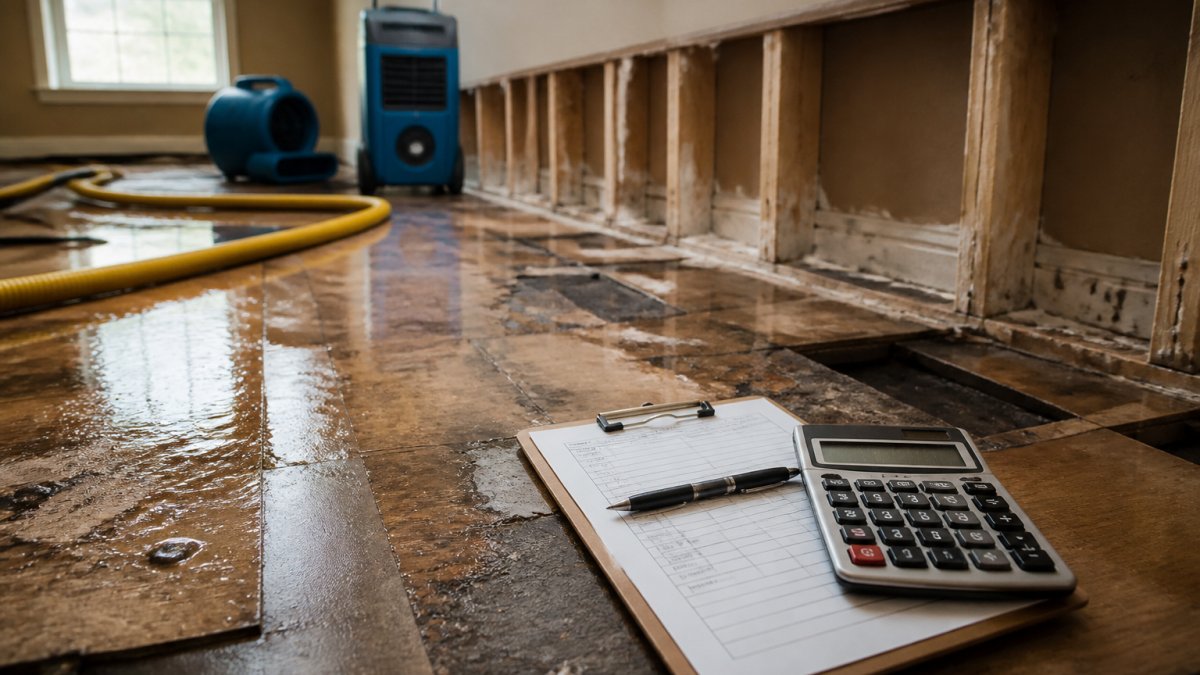
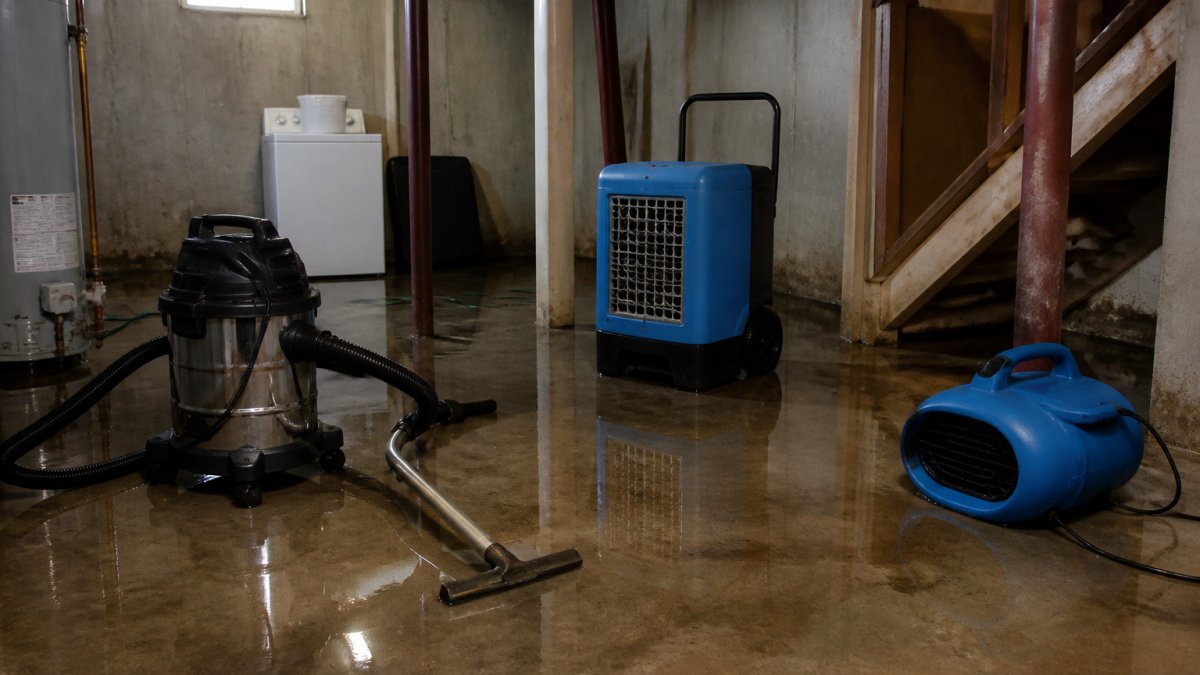
When your home is under two inches of water, you need a crew on-site today. This guide compares the Paul Davis alternatives that matter when choosing a restoration partner in 2026.
Paul Davis is one of the largest restoration networks in the country, but national franchises, regional firms, and local operators differ sharply in response time, pricing transparency, and insurance handling.
National franchises bring scale and standardized protocols; local companies often arrive faster and give you a single point of contact from mitigation through rebuild.
| Provider Type | Response Speed | Pricing Model | Insurance Help | Best For |
|---|---|---|---|---|
| Local full-service | Fastest, often same-day | Project-based, transparent | Full claim coordination | Homeowners wanting one point of contact |
| Large national networks | Fast in metro areas | Project-based | Strong carrier relationships | Large-loss commercial claims |
| Regional firms | Moderate | Project-based | Varies by office | Mid-size residential jobs |
| Franchise networks | Varies by owner | Project-based | Standardized process | Standard cleanup jobs |
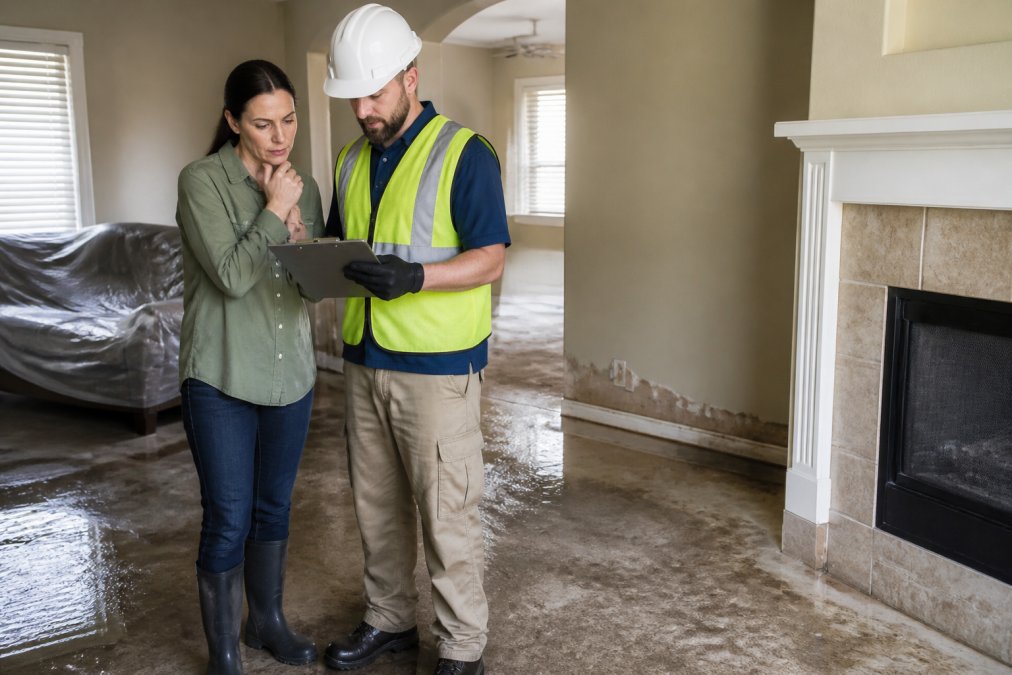
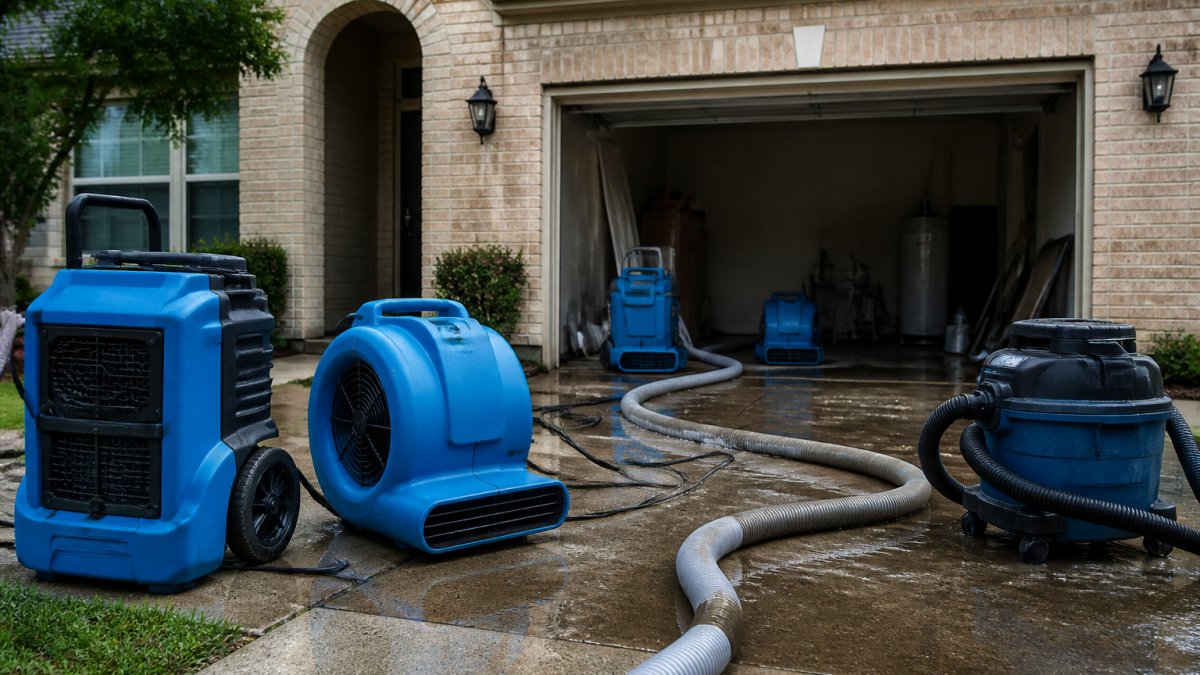
The real difference isn't the logo on the truck. It's who answers the phone at 2 a.m., how fast equipment arrives, and whether the company documents damage well enough to get your claim approved.
How Local and National Restoration Contractors Differ
National restoration contractors operate through franchises or corporate-owned branches, bringing standardized protocols, bulk equipment purchasing, and carrier relationships. That scale helps on catastrophic losses where dozens of properties are damaged at once.
Local contractors compete on speed and accountability. A locally owned company lives or dies by its community reputation, so the owner's name is on the line for every job.
Here's what that means in practice:
- Dispatch: National networks route calls through a central line, which can add delay. Local firms often reach you directly.
- Crew continuity: With a local company, the same team usually handles mitigation and rebuild.
- Pricing flexibility: Local operators frequently have more room to adjust scope and cost.
- Accountability: A local owner is easier to reach when something goes wrong.
When a franchise underperforms, your complaint travels up a corporate chain with little incentive to resolve it quickly. When a local owner underperforms, you can knock on their door.
How to Choose a Fire Damage Restoration Company
Choosing a fire damage restoration company comes down to verified credentials, documented process, and clear communication. Smoke residue penetrates drywall, insulation, and HVAC systems, so you need more than a truck-mounted extractor.
Ask these questions before signing anything:
- Are your technicians certified? Look for IICRC certification standards covering fire and smoke restoration.
- How do you test for hidden smoke damage? Odor alone isn't a measurement. Proper firms use air quality testing and thermal imaging.
- Do you handle contents cleaning and pack-out? Furniture, clothing, and documents often need off-site treatment.
- Will you coordinate with my adjuster directly? This saves you from relaying information back and forth.
- Who handles the rebuild? Some firms stop at mitigation and leave you to hire a separate general contractor.
A company that only dries and cleans leaves you managing reconstruction yourself, more contractors, more delays.
Restoration Service Insurance Claim Assistance: What to Expect
Restoration service insurance claim assistance should cover documentation, adjuster coordination, and scope negotiation. The best companies photograph every affected area, log daily moisture readings, and submit a detailed scope of work matching your policy's coverage.
Documentation quality determines your payout.
Here's what a strong claims process looks like:
- Initial inspection: Free visual assessment with photo documentation
- Scope development: Line-item estimate covering mitigation, materials, and labor
- Adjuster coordination: Direct communication between the contractor and your carrier
- Supplement requests: Additional claims filed when hidden damage is discovered mid-project
- Final documentation: Completion photos and receipts for your records
What Paul Davis Alternatives Cost and How Pricing Works
The real question isn't what restoration costs, it's how the company builds the number, because the pricing model determines whether you get surprises on the final invoice.
What actually drives the number up or down:
- Water category. Category 1 (clean supply line) is cheapest. Category 2 (gray water) and Category 3 (black water from sewage or flooding) require antimicrobial treatment, PPE, and often disposal of porous materials, a meaningful cost step-up per category.
- Class of water intrusion. Class 1 through 4 describes how far moisture spread and how much material must be dried in place versus removed. Class 4 (deep, bound moisture in hardwood, plaster, or crawl spaces) takes longest and uses the most equipment.
- Square footage and ceiling height. Equipment scales with volume, not floor area. A 1,200-square-foot basement with 9-foot ceilings needs more drying capacity than the same footprint with 7-foot ceilings.
- Access. Crawl spaces, second stories, and limited parking add labor hours for equipment staging and hose runs.
- Contents. Pack-out, off-site cleaning, storage, and pack-back are frequently billed separately. Ask whether contents handling is in the mitigation scope or a later line item.
A few practical rules for reading an estimate:
- Ask for a line-item scope, not a lump sum. You want to see extraction, drying days, antimicrobial, demolition, disposal, and rebuild as separate lines.
- Confirm the drying equipment rate is per day and ask what the typical dry time is for your loss class. A 3-day and a 6-day dry are very different invoices.
- Ask who pays if the dry time runs long because of weather or a missed monitoring visit. The answer should be the contractor, not you.
- Get the supplement process in writing. When hidden damage is found, the contractor should document it and file a supplement with your carrier before doing the extra work.
Niche Capabilities: When a Specialist Beats a Generalist
Water damage, fire and smoke, mold, and biohazard each require different certifications, containment protocols, and equipment, a company excellent at one can be mediocre at another. When comparing Paul Davis alternatives, match the provider to the damage type, not the brand.
Here's how the specialties actually break down.
- Ask for the certification numbers, not just the logos. IICRC credentials are verifiable.
- Ask how many jobs of your specific damage type they completed in the last 90 days.
- Ask whether the specialty work is done in-house or subcontracted, and get the subcontractor's name before you sign.
- Ask what happens if the job turns out to be a different category than originally scoped, for example, a Category 1 water loss that's actually Category 3 because of a sewage line break.
Vetting Checklist: Questions to Ask Before You Sign
- Are you licensed and insured in this state, and can I see proof?
- Are your technicians IICRC certified for the specific damage type?
- How quickly can you be on-site, and is that guaranteed in writing?
- Do you provide a free visual inspection and written scope before work begins?
- Will you communicate directly with my insurance adjuster?
- Do you handle mitigation and rebuild, or just one?
- Can you provide references from similar jobs in the last six months?
- What happens if hidden damage is found after work starts?
- Are there any charges not covered by my insurance estimate?
For homeowners in the Greater Houston area, Disaster Services offers 24/7 emergency response, free visual inspections, and full insurance claim coordination from mitigation through reconstruction. The team is locally and family owned, licensed and insured, and handles water extraction, structural drying, fire and smoke restoration, and mold remediation.
Frequently Asked Questions
What are the best alternatives to Paul Davis for emergency restoration?
National networks like SERVPRO, BELFOR, ServiceMaster Restore, and PuroClean all handle water, fire, and mold damage with 24/7 emergency response. Local contractors offer the same core services with faster local dispatch and direct insurance claim assistance. The best pick depends on your damage size, timeline, and whether you want a single point of contact or a large national network.
Are local restoration companies better than national franchises?
Neither is universally better. National franchises bring standardized protocols and large-loss resources. Local contractors often respond faster, know regional building codes, and give you direct access to the owner. For most residential water or fire damage, response time matters more than brand size, so ask each company for a guaranteed arrival window before you commit.
How do I compare restoration companies for water and fire damage?
Check four things: IICRC certification, 24/7 availability, insurance claim coordination, and whether they handle both mitigation and rebuild. Ask for a written scope of work and a free inspection. Compare turnaround time commitments and confirm the crew is licensed and insured. A company that manages the whole project saves you from coordinating multiple contractors.
How much does restoration cost, and does insurance cover it?
Pricing depends on damage extent, materials, and project scope, so most companies quote after an on-site inspection. Homeowners insurance typically covers sudden water damage, fire, and smoke restoration, but not long-term neglect. Ask your adjuster what your policy includes, and choose a contractor that documents damage thoroughly and communicates directly with your claims adjuster.
What certifications should I look for in a restoration contractor?
Look for IICRC certification in water damage restoration, fire and smoke restoration, and mold remediation. Confirm the company is licensed and insured in your state. Certifications show technicians trained on current remediation protocols and structural drying standards. Ask to see certificates, and verify the company carries general liability and workers compensation coverage before work begins.