 comparison
What Do Water Damage Restoration Cost Estimates Really Tell You in 2026?
Last Updated: October 25, 2026
Quick Summary
A water damage restoration cost estimate is a written projection of the labor, equipment, materials, and demolition needed to return your property to a dry, safe condition. Read it as a scope document first and a price second, because the number only means something once you know what it covers.
- National guides place typical residential water damage repair and restoration from roughly $1,200 to $5,000.
- Light mitigation and drying often runs about $3 to $7 per square foot.
- Full restoration with demolition and rebuild commonly lands in the $8 to $15 per square foot range.
- An estimate that omits the drying-day count is hiding its biggest variable cost.
- Compare bids by scope first, drying days second, exclusions third, and total last.
Table of Contents
- Why Water Damage Restoration Cost Estimates Vary So Much
- Water Damage Repair Cost Benchmarks: National Averages and Per-Square-Foot Ranges
- What a Water Damage Restoration Estimate Should Include
- Water Mitigation Cost: Extraction, Drying, and Demolition
- How Homeowners Insurance Water Damage Coverage Affects Your Out-of-Pocket Cost
- How to Compare Restoration Quotes Side by Side
- Request a Free Inspection and Itemized Estimate
- Frequently Asked Questions
Why Water Damage Restoration Cost Estimates Vary So Much
Two homeowners on the same street, both with a burst pipe, can receive water damage restoration cost estimates that differ by thousands of dollars. That gap usually reflects real differences in scope, access, and expected hidden damage, not a red flag.
A water damage restoration estimate is a written projection of the labor, equipment, materials, and demolition needed to return a property to a dry, safe condition.
Several factors drive the spread:
- Source of water. Clean water from a supply line is cheaper to handle than gray water from an appliance or black water from flooding.
- Square footage affected. A closet-sized leak and a flooded first floor are entirely different projects.
- Materials involved. Carpet dries; soaked drywall and engineered flooring usually come out.
Read any estimate as a scope document first and a price second. The number only means something once you know what it covers.
Water Damage Repair Cost Benchmarks: National Averages and Per-Square-Foot Ranges
Published benchmarks give you a starting frame, not a quote. National cost guides commonly place water damage repair and restoration in a broad range from roughly $1,200 to $5,000 for a typical residential project, with minor extraction-and-drying jobs starting near $500 and whole-floor losses with reconstruction climbing past $10,000.
Use benchmarks for one job only: sanity-checking whether a contractor's scope is in the right ballpark. If a bid lands far below the published range, ask what was left out; if far above, ask which line items justify the premium.
| Damage Scenario | Typical Scope | Typical Price Range | What Drives the Price |
|---|---|---|---|
| Small supply-line leak | Extraction, drying, minor drywall | $500-$1,500 | Square footage, drying days |
| Appliance overflow | Extraction, flooring removal, drying | $1,000-$3,000 | Material type, cabinet damage |
| Burst pipe across rooms | Demolition, structural drying, rebuild | $3,000-$8,000 | Affected area, wall cavities |
| Flooding with contaminated water | Removal, sanitizing, disposal, rebuild | $5,000-$15,000+ | Contamination level, disposal rules |
Cost by Water Damage Category and Class
Water damage category describes contamination; class describes how much water materials absorbed. Both change the price before a single fan is placed.
- Category 1 (clean water): supply lines and rainwater. Lowest handling cost, often the lower end of the per-square-foot range.
- Category 2 (gray water): washing machines, dishwashers, toilet overflow without waste. Requires sanitizing, which adds labor and antimicrobial materials.
- Category 3 (black water): sewage and outdoor flooding. Requires protective removal, disposal, and often reconstruction of porous materials that cannot be sanitized.
A Category 3 loss in a Class 4 space is the most expensive combination we encounter, because it combines protective removal, disposal costs, extended drying, and rebuild.
Itemized Sample Estimates by Scenario
Ranges are abstract until you see line items. The three sample estimates below are illustrative, assume a single-story home with standard finishes, and show how scope separates a small job from a large one, not a quote.
Scenario 1: Small appliance leak (about 100 square feet, Category 1, Class 2)
- Moisture assessment and documentation:
- Water extraction:
- Structural drying (3-4 days, air movers and dehumidifier):
Scenario 2: Flooded finished basement (about 600 square feet, Category 2, Class 3)
- Moisture assessment and documentation:
- Water extraction:
- Structural drying (5-7 days, larger equipment count):
Scenario 3: Contaminated water loss (about 300 square feet, Category 3, Class 3)
- Moisture assessment and documentation:
- Protective containment and removal:
- Water extraction and disposal:
Mitigation Versus Reconstruction in the Benchmarks
Most published averages blend mitigation and reconstruction into one number, hiding why two bids for the same room can differ by thousands. Mitigation, extraction, drying, demolition, and disposal, is priced largely by equipment time and labor hours; reconstruction, drywall, paint, flooring, trim, and cabinetry, by materials and finish level. A benchmark that does not separate the two cannot tell you whether a bid is high because of drying days or finish choices, so check which phases a published range includes.
What a Water Damage Restoration Estimate Should Include
A complete estimate names every phase of work and separates them with clear line items. A single lump sum with no breakdown cannot be compared to anything.
Look for these sections:
- Moisture assessment and the readings that justify the scope
- Water extraction with equipment and hours listed
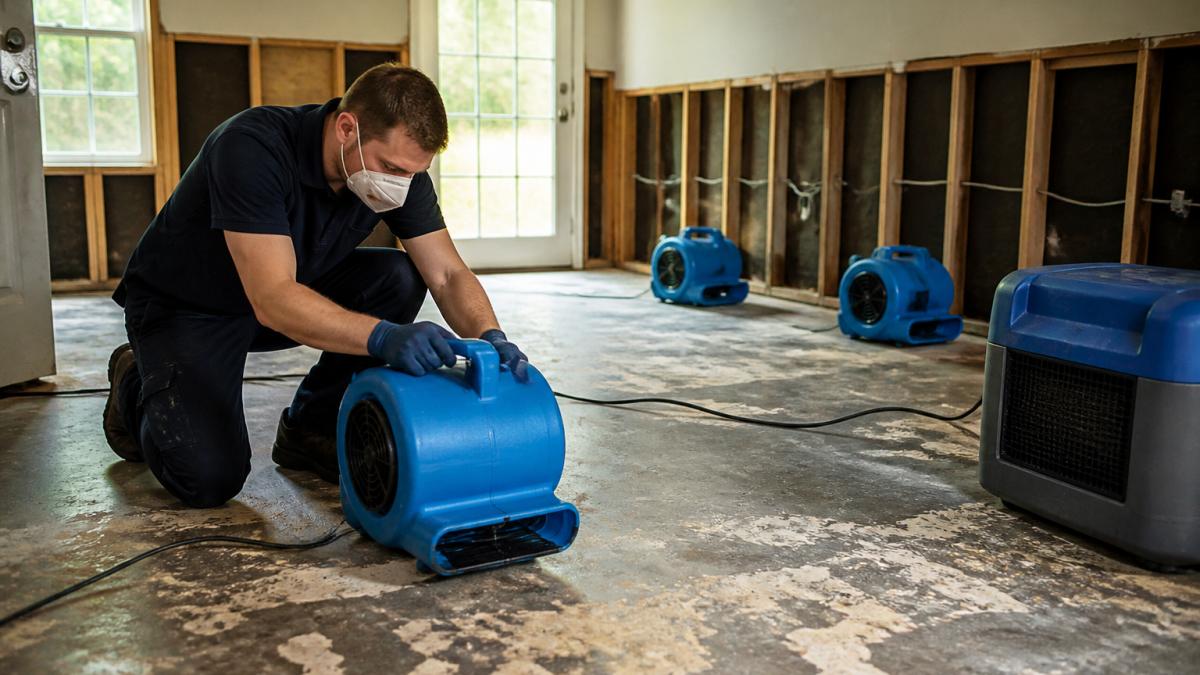
- Structural drying including air movers, dehumidifiers, and projected days
Watch out: an estimate that omits the drying-day count is hiding its biggest variable cost. Drying time is where budgets quietly grow.
Mitigation Versus Reconstruction: Two Separate Line Items
Mitigation stops the damage. Reconstruction puts the property back. Mixing them into one number makes comparison impossible.
Mitigation covers extraction, drying, air movement, dehumidification, and demolition. Reconstruction covers drywall, paint, flooring, trim, and cabinetry. A good estimate shows both, because insurance often treats them differently and you may hire the rebuild out separately.
Water Mitigation Cost: Extraction, Drying, and Demolition
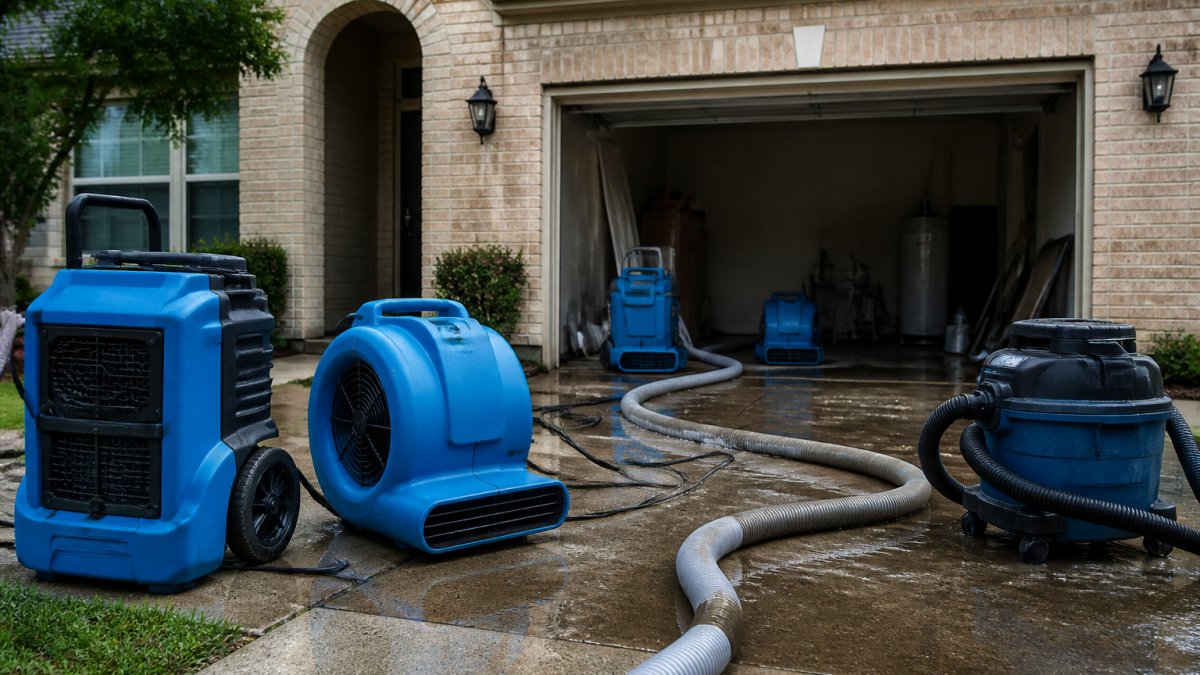
Water mitigation cost is driven by equipment time, not materials. Extraction is fast and relatively cheap. Drying is slow and priced by the day, per machine.
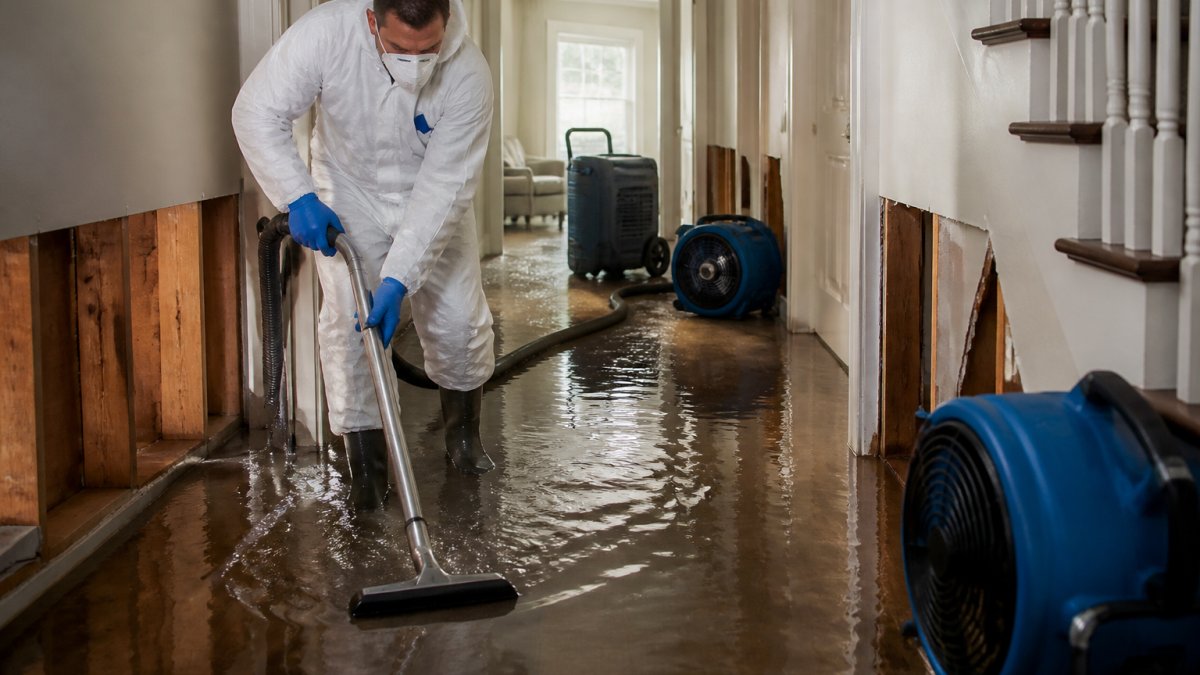
A typical mitigation sequence runs:
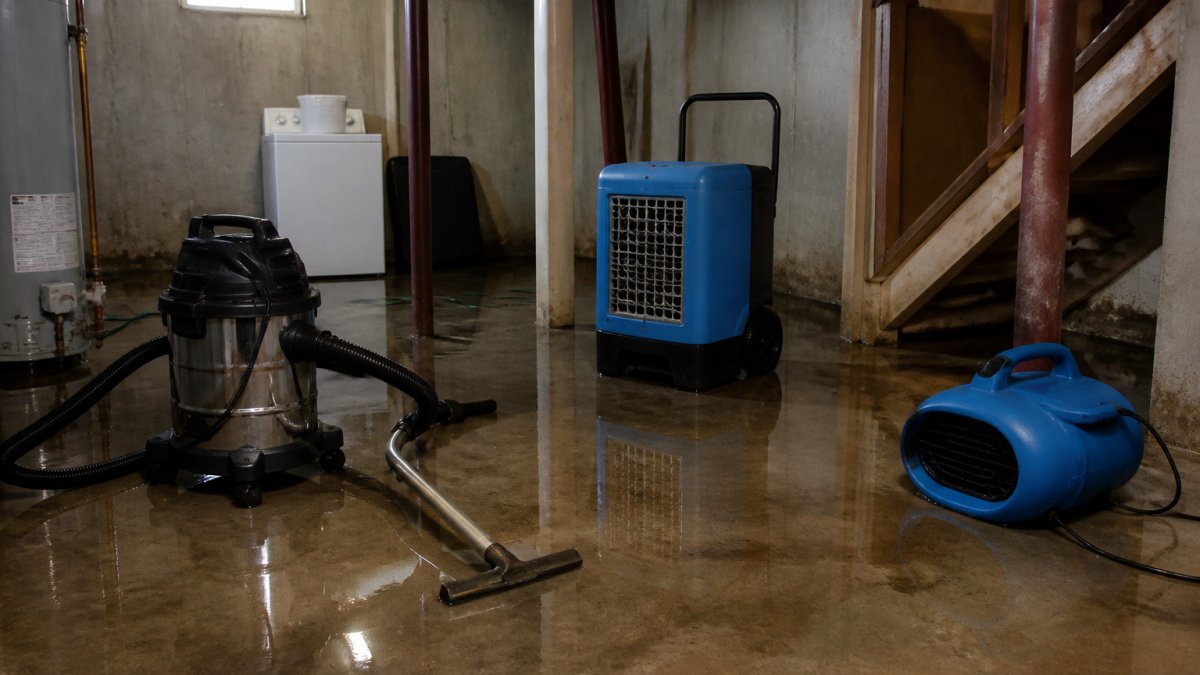
- Emergency water extraction with truck-mounted or portable units
- Moisture assessment of walls, floors, and cavities
- Placement of air movers and dehumidifiers
- Daily monitoring until readings return to normal
- Demolition of materials that cannot be saved
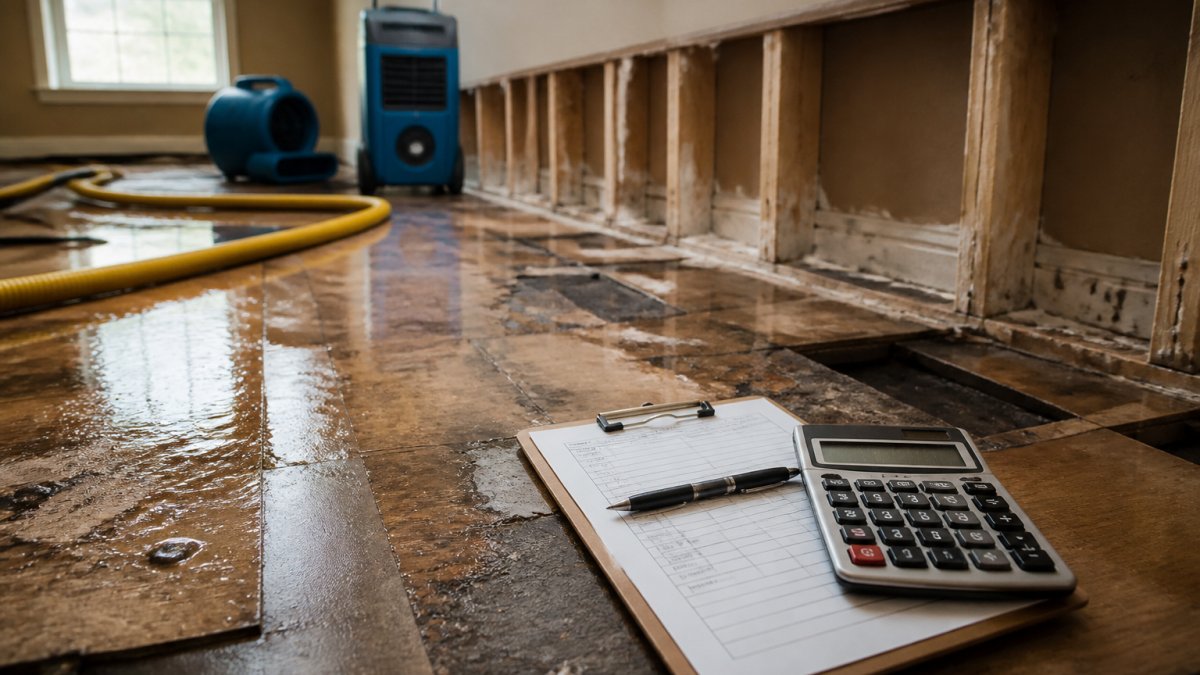
Demolition is where homeowners get surprised: drywall and flooring removal are labor-heavy, and disposal of contaminated material adds cost. Ask for the drying plan in writing, including projected days.
How Homeowners Insurance Water Damage Coverage Affects Your Out-of-Pocket Cost
Homeowners insurance water damage coverage usually pays for sudden, accidental damage like a burst pipe or appliance failure. It typically excludes gradual leaks, maintenance neglect, and outdoor flooding, which requires separate flood coverage.
If your estimate and the adjuster's estimate disagree, that is normal. For a deeper look at how the process works, read our guide on whether emergency water extraction is covered by insurance and our water damage insurance claim tips.
How to Compare Restoration Quotes Side by Side
Comparison only works when you line up scopes, not totals. A total price tells you nothing until you know what each bid includes, how many drying days it assumes, and what it excludes. The worksheet below turns three or more estimates into an apples-to-apples comparison.
The Comparison Worksheet
Create one column per contractor and one row per scope item. Score each row as Included, Excluded, or Unclear, then note the dollar amount where the bid itemizes it.
| Scope Item | What to Record | Why It Matters |
|---|---|---|
| Moisture assessment | Readings documented? Which rooms and materials? | Justifies the scope and supports an insurance claim |
| Water extraction | Equipment type, hours, and areas | Fast and relatively cheap; a missing line signals a gap |
| Structural drying | Air mover and dehumidifier counts, projected days | The biggest variable cost in most mitigation bids |
| Daily monitoring | Included or billed separately? | Can add cost if priced per visit |
| Demolition | Itemized by material and square footage | Labor-heavy and often underestimated |
| Disposal | Included, and who pays for contaminated material? | Disposal rules and fees vary by material |
| Mold prevention or remediation | Included conditionally or excluded? | A common surprise line item |
| Reconstruction | Priced separately from mitigation? | Insurance and hiring decisions often split here |
| Exclusions | Written out in the bid? | The clearest predictor of budget growth |
| Emergency or after-hours fee | Flat fee or hourly premium? | Changes the total for weekend and night losses |
| Timeline | Matches the drying plan? | A short timeline with long drying days is inconsistent |
| Licensing and insurance | Verified and documented? | Protects you if work or damage goes wrong |
Scoring the Bids
Once the worksheet is filled, compare in this order:
- Scope first. The bid with the most complete scope is the baseline, even if it is not the cheapest.
- Drying days second. Multiply projected days by the daily equipment rate to see the real drying cost.
- Exclusions third. Add the likely cost of each exclusion to the total to estimate the realistic project price.
- Total last. Compare realistic totals, not headline totals.
The lowest total with the shortest scope is not the cheapest project. It is the one most likely to grow.
Reconciling a Contractor's Estimate With an Insurer's Estimate
It is normal for a contractor's scope and an adjuster's estimate to differ: the adjuster prices what is visible and covered, the contractor prices what the drying plan requires. Reconcile line by line rather than starting over:
- Match line items by phase. Put mitigation, demolition, and reconstruction side by side.
- Document the difference. Moisture readings, photos, and equipment logs support a supplement request when the contractor's scope includes work the adjuster did not price.
- Ask about supplements. A supplement is a request to add overlooked or newly discovered work to the claim; it is a normal part of the process, not an accusation.
Safe Ways to Control Cost
Some cost decisions are safe; others increase damage risk. Safe moves: get a written drying plan, ask for itemized disposal, schedule inspection early, and separate reconstruction so you can bid it independently. Risky moves: delaying extraction, turning off drying equipment early, and attempting demolition of contaminated materials yourself, each can worsen moisture damage, contamination, or mold risk and raise the final bill.
For more on what pushes costs up or down, see our breakdown of water damage costs and our guide to per-square-foot pricing by damage extent.
Request a Free Inspection and Itemized Estimate
An estimate is only as good as the inspection behind it. A free visual inspection with documented moisture readings gives you a scope you can compare and defend with your insurer.
At Disaster Services, our licensed and insured technicians provide 24/7 emergency response across the Greater Houston area, a free visual inspection, and comprehensive insurance claims assistance. We handle extraction, structural drying, mold remediation, and full reconstruction, so you are not coordinating multiple contractors. If you are ready to act, request a plumbing leak inspection and restoration estimate and get an itemized scope in writing.
Frequently Asked Questions
What factors affect a water damage restoration estimate?
The biggest drivers are the water damage category (clean, gray, or black water), the damage class or how far moisture spread, the affected square footage, and which materials were soaked. Drywall, carpet, and insulation usually get removed; tile and hardwood may be salvageable. Access matters too: a crawlspace or second-floor leak takes more labor than a slab-level room. After-hours emergency service, mold prevention treatments, and whether reconstruction is included all move the number. That is why two estimates for the same room can differ by thousands of dollars.
Does homeowners insurance water damage coverage pay for the full restoration?
Usually it covers sudden, accidental events like a burst pipe or appliance failure, minus your deductible. Standard policies typically exclude gradual leaks, poor maintenance, and rising groundwater flooding, which needs a separate flood policy. Coverage generally applies to the structure and to water mitigation cost, but caps for mold remediation can be low. Ask your adjuster for the scope in writing and compare it against the contractor's itemized estimate line by line before work starts.
How do I compare water damage restoration quotes fairly?
Put the estimates side by side and check three things: whether each one includes both mitigation and reconstruction, whether drying equipment quantities and day counts are specified, and whether mold prevention or testing is listed. A low bid that stops at extraction leaves you hiring a second contractor later. Look for moisture readings, a stated scope of work, and materials allowances. Ask each contractor what is excluded, because exclusions are where budgets blow up.
How is water damage restoration cost calculated per square foot?
Published guides put water damage repair cost per square foot, depending on severity and materials. Contractors multiply affected square footage by a rate tied to the work category: extraction and drying cost less per square foot than drywall removal and rebuild. Category 3 black water adds disposal and sanitizing charges. Treat any per-square-foot figure as a starting benchmark, not a quote, since hidden damage behind walls only shows up during the inspection.
Water damage gets more expensive every hour it sits. Get started with Disaster Services and turn a vague number into a documented, itemized plan you can compare, insure, and trust.