 how-to
Is Professional Mold Inspection Worth It?
Table of Contents
- When to Get a Mold Inspection
- Professional Mold Inspection Cost Factors
- Mold Testing vs. Mold Inspection: Key Differences
- What the Mold Inspection Process Includes
- How to Choose a Qualified Inspector
- When Professional Inspection Pays for Itself
- Limitations of Mold Testing and Inspection
- Frequently Asked Questions
Last Updated: October 7, 2026
When to Get a Mold Inspection
A professional mold inspection is a visual assessment of your property to identify mold growth, moisture sources, and conditions that support mold. The real question is whether you need a professional to find it, and that depends on what you're dealing with.
Visible mold and water damage
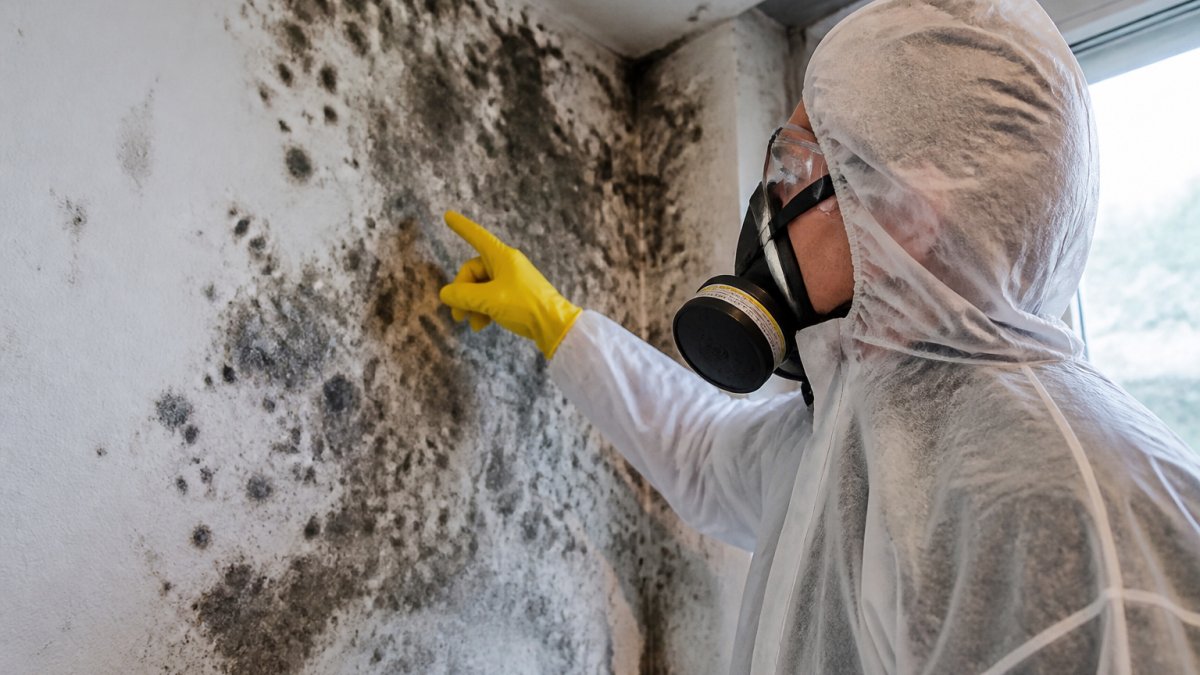
If you can see mold, you don't need testing to confirm it exists. It needs to be addressed.
What matters is the scope. A small bathroom patch differs from mold covering a wall. A professional inspection helps you understand:
- How much mold is present
- Whether it's spreading to hidden areas
- What caused it (active moisture or old damage)
- Whether remediation is DIY-scale or requires professionals
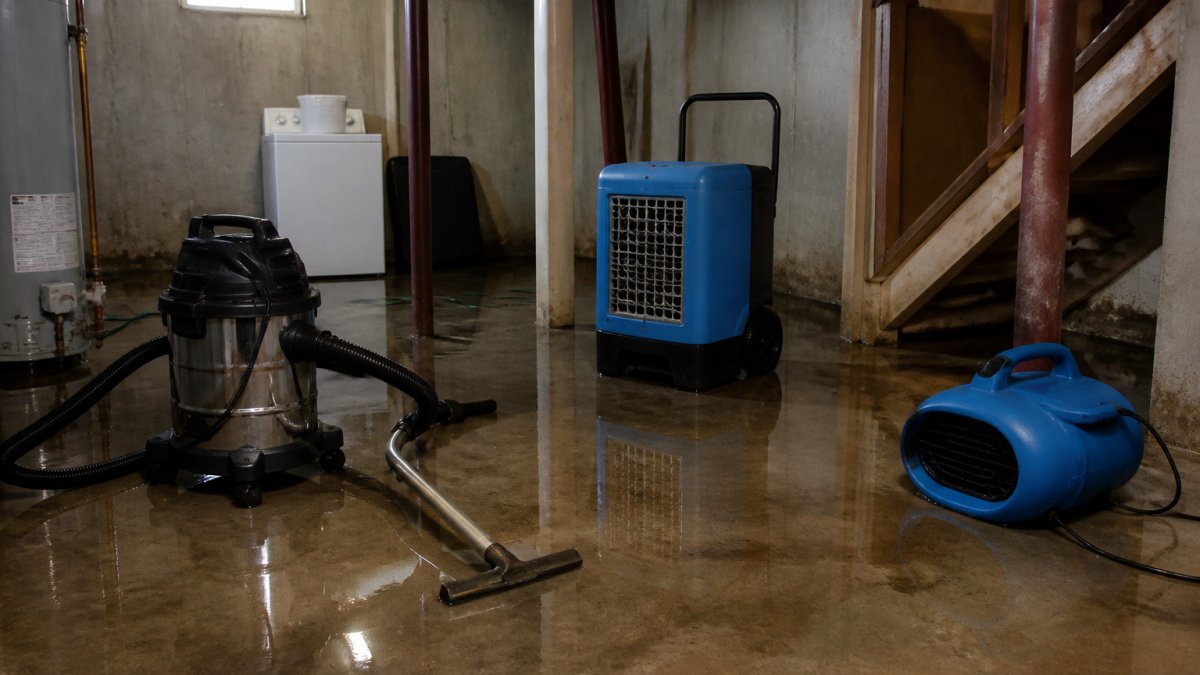
Water damage is a mold red flag. After flooding, burst pipes, or a roof leak, mold often follows, and the longer moisture sits, the faster it grows. An inspection within 24-48 hours can catch problems before they spread.
Hidden mold and moisture concerns
Hidden mold is the real concern, growing behind walls, under flooring, or in your HVAC system. Signs include:
- Musty odors that don't have an obvious source
- Water stains on ceilings or walls
- Discoloration on drywall or wood
- Recent moisture events (leaks, condensation, high humidity)
- Health symptoms like coughing or respiratory irritation
A professional mold inspection uses tools to detect moisture and identify conditions where mold thrives, finding problems before they become expensive.
Professional Mold Inspection Cost Factors
Professional mold inspection costs vary. Here's what moves the number.
Property size and layout
Larger homes cost more to inspect. A 2,000-square-foot house takes longer than a 1,000-square-foot condo, and crawl spaces, attics, multiple stories, or finished basements add time and complexity. A crawl space alone can add 30 to 60 minutes.
Scope of the inspection
A visual assessment with moisture readings costs less than one including air or surface sampling, since sampling requires lab analysis. If you just need to know whether moisture is present, visual inspection may be enough. For a real estate transaction or insurance claim, sampling is often required and should be priced separately.
Geographic location and market rates
Urban areas and humid regions often see higher fees, and markets with many competing inspectors price lower than those with few providers. Call two or three inspectors and ask for a written scope and price before committing.
Add-ons that inflate the bill
Watch for these common add-ons:
- Thermal imaging (infrared camera) to find hidden moisture behind walls
- Additional air samples beyond the standard two to four
- Lab rush fees for results in 24 to 48 hours instead of the usual three to five business days
- Clearance sampling after remediation, which is a separate inspection and a separate fee
The free-inspection trap
Most inspectors offer free visual assessments, but a free walkthrough is not a documented inspection with moisture readings, photos, and a written report. If the free visit ends with a recommendation to pay for testing or remediation, ask what the paid inspection would have included that the free one did not.
How to compare quotes fairly
Two quotes are only comparable if they cover the same scope. Compare these side by side:
- Square footage and areas inspected (attic, crawl space, basement, HVAC)
- Number of moisture readings and whether they are documented
- Number of air samples and whether lab fees are included
- Turnaround time for the report
- Whether the inspector also performs remediation (a conflict of interest)
Mold Testing vs. Mold Inspection: Key Differences
These are two different things, and understanding the difference saves money.
The practical difference: if you can see mold, you don't need testing to know it's a problem.
Testing becomes valuable in specific situations:
- Real estate transactions where documentation is required
- Insurance claims that need laboratory confirmation
- Health concerns where knowing the mold species matters
- Baseline air quality measurements before and after remediation
For most homeowners dealing with visible mold or moisture concerns, an inspection is enough. Testing adds cost without changing the outcome.
What the Mold Inspection Process Includes
A professional inspection follows a structured process to identify mold and moisture issues.
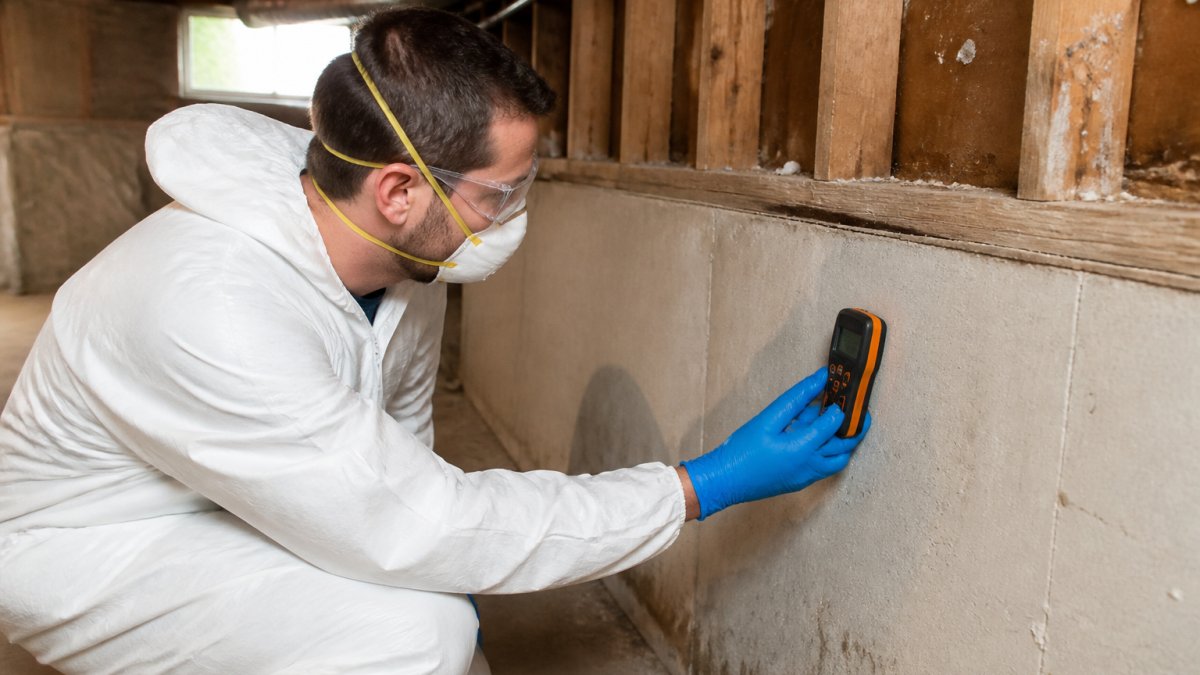
Visual assessment and moisture detection
The inspector examines all visible surfaces for discoloration, water stains, soft spots in wood, and obvious mold growth, covering attics, crawl spaces, basements, bathrooms, and areas around HVAC systems.
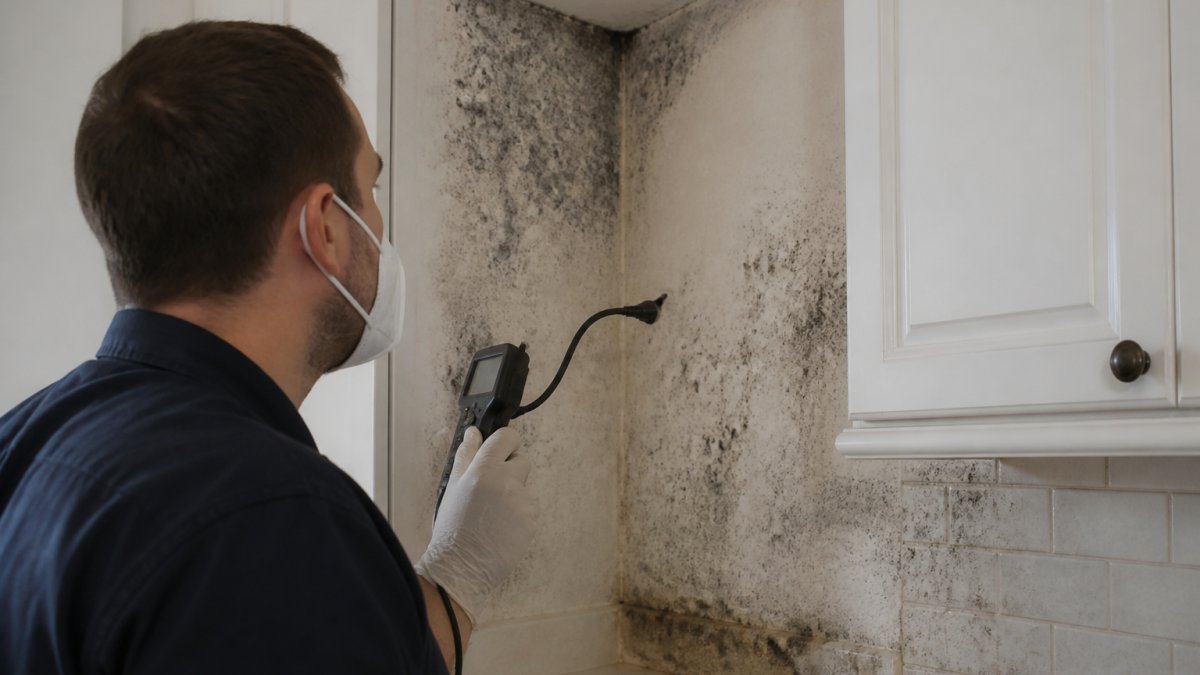
Moisture detection is critical. Inspectors use moisture meters to measure water content in building materials; high readings indicate active moisture or recent intrusion and reveal where mold is likely to grow even if not visible yet.
Air and surface sampling
If the inspection suggests hidden mold, sampling comes next. Air sampling collects airborne spores; surface sampling swabs or tape-lifts material from walls, ducts, or other surfaces.
Samples go to a laboratory, where results identify mold species and spore counts to guide remediation decisions.
Not every inspection needs sampling.
Laboratory analysis and reporting
Laboratory results typically arrive within a few days, listing mold species found and spore concentrations.
A useful inspection report includes:
- Description of areas inspected
- Moisture readings and locations
- Photos of problem areas
- Sampling results if collected
- Recommendations for remediation
- Moisture sources identified
The report should be clear enough that you understand what was found and what happens next.
How to Choose a Qualified Inspector
Qualifications, independence, and experience matter.
Independence is important. An inspector who also performs remediation has a financial incentive to find problems, a conflict of interest.
Ask about experience with your specific issue.
Get a clear estimate upfront: what the inspection includes, what sampling costs if recommended, and what the report will contain.
When Professional Inspection Pays for Itself
The value of a professional mold inspection depends on your situation. Use this framework to decide if it pays for itself.
A practical decision tree
Work through these questions in order:
- Can you see mold? If yes, you don't need testing to confirm it exists, you need to understand the scope. A small bathroom patch differs from mold covering an entire wall. An inspection tells you how far it has spread and what caused it.
- Have you had water damage in the last 48 hours? If yes, document the moisture now. Mold can begin growing within 24 to 48 hours of a water event (the CDC). An inspection within that window can catch problems before they spread into walls and insulation.
- Do you smell a musty odor with no visible source? If yes, hidden mold is a real possibility. An inspection with moisture detection is the right next step.
- Are you buying or selling a home? If yes, an inspection with documentation protects the transaction. See the real estate section below.
- Are you filing an insurance claim? If yes, professional documentation strengthens your claim. See the insurance section below.
- Are you experiencing health symptoms like coughing or respiratory irritation with no other explanation? If yes, an inspection can identify moisture and mold conditions, but it cannot diagnose a health condition. Talk to a doctor about symptoms and use the inspection to address the building.
- None of the above? If you have no visible mold, no water damage, no musty odor, no transaction, no claim, and no symptoms, monitoring is often the better choice. Check for moisture seasonally and address leaks promptly.
This framework helps you decide whether to inspect, test, remediate, or simply monitor, instead of paying for services you don't need.
Insurance claims and documentation
If you're filing an insurance claim for water damage, your insurer may require professional documentation.
Insurers often deny or reduce claims when the homeowner cannot show when damage happened or how far it spread.
Most standard homeowners policies cover sudden and accidental water damage, such as a burst pipe, but exclude long-term seepage or neglect.
Real estate transactions and pre-purchase decisions
A pre-purchase inspection that includes mold and moisture assessment protects your investment.
Finding mold or moisture problems before you buy gives you room to negotiate price or request repairs; discovering them after purchase means paying for remediation yourself.
For sellers, a pre-inspection can address concerns before they kill a deal. A written report with before-and-after moisture readings is far more persuasive than a verbal assurance.
Landlord-tenant and dispute scenarios
In rentals, documentation matters differently. A tenant who believes mold affects their unit gets a dated record of conditions; a landlord facing a complaint shows they responded reasonably and documents what was found.
State and local laws on landlord obligations vary, so check your local rules. The report doesn't resolve a dispute, but it gives both sides shared facts.
When inspection does not pay for itself
An inspection is not worth the money in every situation. Skip it if:
- You have a small, isolated patch of surface mold on a bathroom tile or window sill that you can clean with a household detergent and fix the moisture source yourself
- You have no moisture problem, no odor, no water damage, and no transaction or claim pending
- You are being pressured into testing by a company that also sells remediation, with no independent reason for the test
What a useful report should contain
If you pay for an inspection, the report is the product. A useful one includes:
- Description of areas inspected
- Moisture readings and locations, with the meter type noted
- Photos of problem areas, ideally with a reference object for scale
- Sampling results if collected, including the lab name and method
- Recommendations for remediation, separated from the inspection findings
- Moisture sources identified, with a note on whether they are active or historic
The report should be clear enough that you understand what was found and what happens next.
Limitations of Mold Testing and Inspection
Professional inspections have real limitations. Understanding them sets realistic expectations.
Mold testing results can be hard to interpret.
An inspection captures a moment in time.
Moisture readings indicate water content but don't always pinpoint the source.
Mold problems don't resolve themselves. Whether you see visible growth or suspect hidden moisture, taking action prevents damage from spreading.
Frequently Asked Questions
When should you hire a professional mold inspector?
Hire a professional mold inspector after water damage, visible mold growth, persistent musty odors, or if household members experience unexplained respiratory symptoms or allergic reactions. Inspectors are also critical before purchasing a home, for insurance claims documentation, or when moisture readings indicate hidden mold in walls, attics, or crawl spaces. If you can see active mold growth, an inspection confirms the extent and helps guide remediation. For water leaks or flooding, an immediate inspection prevents mold from spreading through building materials and HVAC systems.
What is the difference between mold testing and a mold inspection?
A mold inspection is a visual assessment combined with moisture readings to identify where mold is growing and why. The inspector examines visible areas, checks humidity levels, and looks for water intrusion signs. Mold testing involves collecting air or surface samples sent to a laboratory for spore count and species identification. Testing is optional and useful only when inspection findings are inconclusive or for baseline comparisons. Many inspectors recommend inspection first; testing follows only if the inspection warrants laboratory confirmation.
How much does a professional mold inspection cost?
Professional mold inspection cost varies based on property size, inspection scope, and whether testing is included. Factors affecting price include crawl space access, attic inspection, HVAC system assessment, and whether air or surface sampling is needed. Many inspectors offer free visual assessments to determine if full testing is necessary. For an accurate quote and current pricing, contact Disaster Services directly for a customized estimate based on your property's specific conditions and concerns.
Is it worth getting tested for mold exposure?
Mold exposure testing, measuring whether spore levels in your home exceed outdoor baseline samples, is worth pursuing if household members have documented health effects like respiratory symptoms or allergic reactions and visible mold or moisture problems are present. Testing provides laboratory evidence linking indoor air quality to mold presence, which supports insurance claims or medical documentation. However, if visible mold is already confirmed, remediation is the priority; testing does not change the need for cleanup. Test results guide containment and ventilation strategies during remediation.