 ultimate-guide
How to Handle Insurance Claim Denial: A Complete Guide
Table of Contents
- Understanding Your Denial Letter
- How to Document Property Damage for Insurance
- Reviewing Your Insurance Policy and Coverage Determination
- Writing an Insurance Appeal Letter Template
- How Long Does the Insurance Appeal Process Take
- Hiring a Public Adjuster for Denied Claims
- When to Hire an Attorney and Understand Bad Faith Claims
- Managing Stress and Financial Impact During the Appeal
- Frequently Asked Questions
Last Updated: October 4, 2026
Understanding Your Denial Letter
When you receive an insurance claim denial, the letter is your roadmap to fighting back. It contains specific codes, reasons, and deadlines that determine your next steps.
Your denial letter should state why the claim was rejected. Common reasons include coverage exclusions, policy lapses, insufficient documentation, or determinations that the damage wasn't covered under your specific policy provisions.
The explanation of benefits section breaks down how the insurer evaluated your claim and why they concluded your damage wasn't covered. Read this section word-for-word, it becomes critical evidence if you file an appeal.
Look for the statute of limitations in your letter, this tells you how long you have to file a formal appeal or pursue legal action. Missing this deadline eliminates your right to challenge the denial. Most states allow between 30 and 365 days depending on policy type and state regulations.
How to Document Property Damage for Insurance
The difference between a successful claim and a denied one often comes down to documentation.
Photograph everything from multiple angles: wide shots of overall damage, then close-ups of specific areas, damaged items, structural damage, water lines, and fire damage.
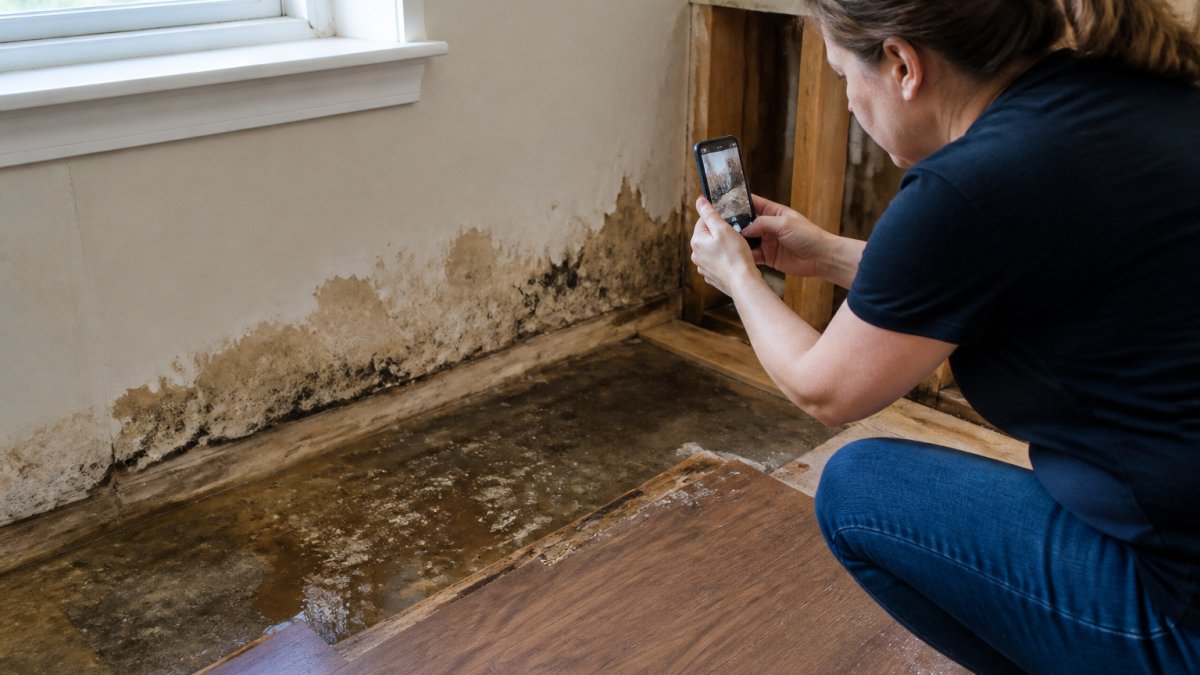
Create a written inventory of damaged items: list each item, its approximate age, original cost, and current condition. Include brand names and model numbers when available.
Gather receipts, invoices, and proof of purchase for major items. If unavailable, bank or credit card statements help establish items existed.
Document pre-existing conditions or prior damage with separate photos. This prevents the insurer from attributing old damage to your current loss.
Reviewing Your Insurance Policy and Coverage Determination
Your insurance policy is a contract.
Request your full policy document if you don't have one. Read the declarations page first, which lists coverage types and limits. Then locate sections covering your specific type of damage.
Look for exclusions, situations or types of damage the policy specifically does NOT cover. Common exclusions include flooding damage, damage from lack of maintenance, or damage from specific events.
Check your policy's definition of covered services. Insurance policies define terms narrowly, so what you consider "water damage" might fall under a specific category with different coverage limits.
Review the deductible section. If your loss is close to your deductible amount, the insurer might deny the claim because the damage doesn't exceed what you're responsible for.
Writing an Insurance Appeal Letter Template
A formal appeal letter is your official challenge to the denial.
Your appeal letter should include your policy number, claim number, and denial date.
Include a statement of facts describing what happened, when, and what damage resulted.
Address the denial code or reason directly. If the insurer cited an exclusion, explain why you believe it's covered.
Here's a basic structure for your appeal letter:
[Your Name]
[Your Address]
[Date]
[Insurance Company Name]
Claims Department
[Company Address]
Re: Appeal of Claim Denial - Policy #[Number], Claim #[Number]
Dear [Adjuster Name or Claims Manager]:
I am writing to formally appeal the denial of my insurance claim dated [denial date]. I believe this denial was made in error and request immediate reconsideration.
Facts of the Loss: [Describe what happened, when, and the resulting damage in 3-4 sentences]
Why the Denial is Incorrect: [State the reason for denial, then explain why you disagree. Reference specific policy language if applicable.]
Supporting Documentation: [List each document you're including: photos, receipts, inventory, etc.]
I believe my claim meets the requirements for coverage under my policy.
Sincerely,
[Your Signature]
[Your Typed Name]
Send via certified mail with return receipt requested and keep a copy for your records.
How Long Does the Insurance Appeal Process Take
The timeline for an insurance appeal depends on whether you're pursuing an internal appeal, external review, or expedited options. Understanding these timelines helps you plan your next steps.
Internal appeals typically take 30 to 60 days. Your insurance company must acknowledge your appeal within 10-15 days and provide a decision within 30-45 days after that. Check your policy or denial letter for the exact deadline.
External review through your state's insurance commissioner or a third-party organization adds 30 to 90 days. These independent reviews provide another layer of evaluation. Your state's insurance department can provide specific timelines.
The statute of limitations for filing a lawsuit varies by state but typically ranges from one to six years. This is your absolute final deadline for legal action if appeals fail. Missing it eliminates your right to sue.
Hiring a Public Adjuster for Denied Claims
A public adjuster is a licensed professional who negotiates with your insurance company on your behalf. They work for you, not the insurer, and are paid a percentage of the settlement they recover.
Public adjusters specialize in large or complex claims.
The public adjuster process begins with detailed inspection: photographing damage, creating professional estimates, and identifying coverage issues the insurer missed. They then present evidence and negotiate a settlement.
Public adjusters typically charge 5% to 15% of the settlement they recover, so they only profit if you profit.
When hiring a public adjuster, verify they're licensed in your state. Check their references and ask about their experience with claims similar to yours. Make sure you understand their fee structure before signing an agreement.
When to Hire an Attorney and Understand Bad Faith Claims
An attorney becomes necessary when your insurer's actions cross into bad faith territory, acting dishonestly, unreasonably, or in violation of contractual obligations. Recognizing bad faith protects your legal rights.
Red flags for bad faith include repeated requests for the same documentation, unreasonably low settlement offers ignoring your evidence, refusal to explain coverage determination, or missing internal appeal deadlines without justification.
Other warning signs include the adjuster refusing to meet with you, ignoring medical evidence or repair estimates, using delay tactics, failing to conduct thorough investigation, or misrepresenting policy provisions.
Your legal rights include the right to a timely decision, the right to an explanation of the coverage determination, and the right to appeal. Your state's insurance commissioner can investigate complaints about bad faith practices.
The statute of limitations for bad faith claims varies by state. Some states give you one year, others allow three to six years.
Managing Stress and Financial Impact During the Appeal
The insurance appeal process is emotionally draining. You've suffered property damage, and now you're fighting your insurance company to get paid.
The financial impact starts immediately. If your claim is denied, you're responsible for repairs from your own pocket. This creates a cash flow crisis for many families.
Create a bridge strategy for immediate expenses. Document all out-of-pocket costs related to the damage and your recovery efforts.
Contact your mortgage lender or landlord immediately if the damage affects your ability to occupy the property.
Set up a separate account to track all claim-related expenses.
Seek emotional support. Whether through friends, family, or professional counseling, don't isolate yourself during this process.
Handling an insurance claim denial requires patience, documentation, and persistence. At Disaster Services, we understand that the appeal process can feel overwhelming when you're already dealing with property damage.
Frequently Asked Questions
What should I do immediately after receiving an insurance claim denial?
First, read the entire denial letter carefully and identify the specific reason for rejection. Check the explanation of benefits and denial code provided. Contact your insurance company to clarify any confusing language. Review your policy to understand what coverage applies to your situation. Set a deadline reminder for filing an appeal, as most insurers require appeals within 30-180 days depending on your policy. Document everything in writing, including dates and names of people you speak with.
How long do I have to appeal an insurance claim denial?
The timeframe varies by policy type and state regulation. Most health insurance claims allow 30-180 days for an internal appeal, while property insurance typically provides 30-90 days. Some policies offer expedited review options that compress timelines to 72 hours. Check your denial letter for the specific deadline and file well before it expires. If you miss the internal appeal window, external review options may still be available, though they may have different timelines. Document the deadline date immediately to avoid losing your right to appeal.
When should I hire a public adjuster for a denied claim?
Consider hiring a public adjuster when the claim amount is substantial (typically $10,000 or more), the denial seems questionable, or you lack expertise in policy language and coverage determination. Public adjusters work on contingency, taking a percentage of your settlement rather than an upfront fee. They're particularly valuable if your insurer disputes the scope of damage or coverage. However, they cannot represent you in legal disputes, that requires an attorney. Interview multiple public adjusters and verify their licensing before hiring.
What are the most common reasons insurance companies deny claims?
Denials typically occur due to policy exclusions (damage not covered under your specific policy), lack of coverage (the incident type isn't insured), failure to maintain the property, misrepresentation on the application, or exceeding policy limits. Claims may also be denied if you miss reporting deadlines or fail to provide adequate supporting documentation. Understanding these reasons helps you build a stronger appeal by gathering evidence that directly addresses the insurer's stated grounds for denial.
How do I write an effective appeal letter for a denied claim?
Start with a clear statement of your claim number and the original denial date. Explain why you believe the denial was incorrect, citing specific policy language that supports coverage. Include all supporting documentation: photos, repair estimates, medical records, or expert assessments. Address the insurer's stated reason for denial point-by-point. Keep the tone professional and factual, avoid emotional language. Send via certified mail with return receipt requested. A well-organized appeal letter with comprehensive documentation significantly increases your chances of reversal or reconsideration.
What should I avoid saying to an insurance claim adjuster?
Never admit fault or speculate about how damage occurred. Avoid exaggerating the extent of damage or providing inconsistent statements. Don't discuss the incident on social media or with others before speaking with your adjuster. Refrain from making casual comments about your financial situation or insurance history. Don't accept the first settlement offer without reviewing it thoroughly. Always stick to facts and documentation. Keep conversations professional and brief. If you're uncertain about something, say you'll provide information later rather than guessing.
What is bad faith in insurance, and how do I know if my insurer is acting in bad faith?
Bad faith occurs when an insurer acts dishonestly or unreasonably in handling your claim, such as denying a claim without proper investigation, ignoring evidence, or deliberately delaying payment without justification. Red flags include repeated requests for the same information, unexplained delays beyond reasonable timelines, refusal to explain denial reasons clearly, or settlement offers far below documented damages. If you suspect bad faith, document all interactions and consider consulting an attorney. Bad faith violations can lead to additional damages beyond your original claim amount.