 how-to
Steps to Remove Smoke Odor From Walls
Table of Contents
- Assess the Damage Before You Start
- Prepare Your Space and Safety Equipment
- How to Clean Soot Off Walls Safely
- Apply Best Odor Neutralizing Primer for Smoke
- Ventilation and Odor Neutralization Techniques
- When to Call Professional Smoke Remediation Services
- Frequently Asked Questions
Last Updated: September 23, 2026
Smoke residue clings to walls long after a fire ends, seeping into drywall, insulation, and paint. Removing it requires more than air freshener, you need a systematic approach to eliminate both visible damage and odor. This guide covers the essential steps to remove smoke odor from walls, whether you're handling minor kitchen smoke or extensive fire damage.
Assess the Damage Before You Start
Before you grab cleaning supplies, understand what you're dealing with. Smoke damage varies widely depending on fire intensity, duration, and materials involved. Some walls show visible soot; others appear clean but smell strongly of smoke.
Identify how deep the damage goes. Surface soot sits on top of paint, but smoke odor often penetrates through paint into drywall and insulation behind walls, which is why surface cleaning alone often fails.
Walk through your space and note which areas smell strongest, these need the most aggressive treatment. Check for visible staining, discoloration, or a greasy film on walls, which indicate heavy smoke residue buildup.
Prepare Your Space and Safety Equipment
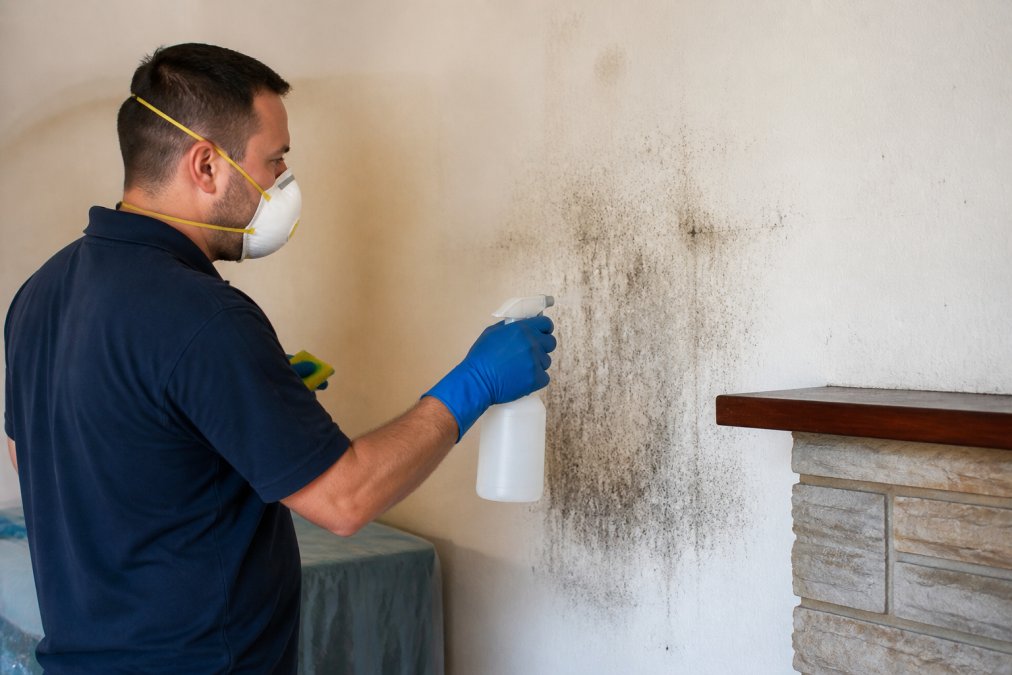
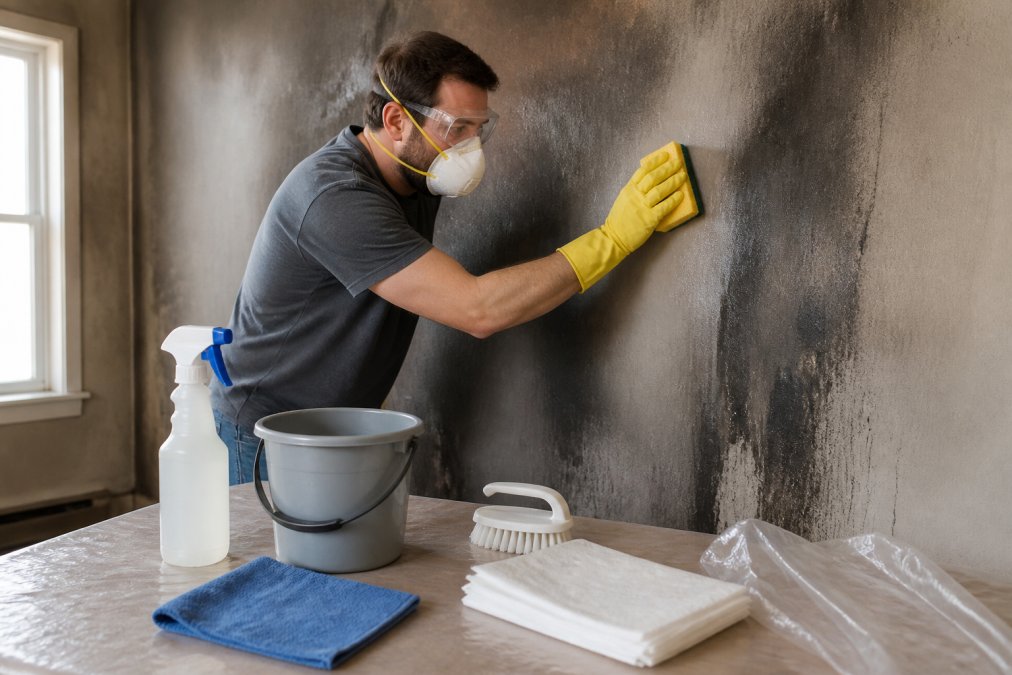
Cleaning smoke residue involves chemicals that require protection. Set up your space safely and gather the right gear before starting.
Ventilation is your first priority. Open all windows and doors and use fans to push air out of the building, not recirculate it indoors. Poor ventilation traps chemical fumes and makes the smell worse temporarily.
Wear protective equipment throughout the process:
- Rubber gloves (latex or nitrile)
- Safety glasses to protect eyes from splashing
- N95 or P100 respirator mask (not a cloth mask)
- Long sleeves to minimize skin contact
The respirator is critical. Smoke residue contains volatile organic compounds and other irritants that can trigger headaches, dizziness, or respiratory irritation. A proper respirator filters these contaminants.
Prepare your work area by removing furniture and covering floors with drop cloths. This protects belongings and makes cleanup easier.
How to Clean Soot Off Walls Safely
The cleaning process depends on soot amount, odor depth, and wall material. Drywall, wallpaper, wood paneling, and plaster each require different techniques to avoid damage while removing smoke residue.
Cleaning Drywall
For standard painted drywall, start by vacuuming loose soot with a HEPA filter vacuum. This removes surface particles before wet cleaning. Regular vacuums spread fine soot particles through the air, so HEPA filtration matters.
Next, use a dry sponge or chemical sponge (sometimes called a dry-cleaning sponge) to gently wipe walls. These sponges absorb soot without water and are effective on light to moderate surface residue.
For heavier staining, mix warm water with mild detergent and wash walls from top to bottom using a soft brush or sponge, working in sections and rinsing as you go. Avoid oversaturating, which can cause swelling or mold growth.
Cleaning Wallpapered Walls
Wallpaper requires a gentler approach because water and harsh chemicals can damage the adhesive or cause peeling. Never use TSP or heavy degreasers directly on wallpaper.
Use a dry sponge first to remove loose soot. For stubborn residue, lightly dampen a soft cloth with equal parts white vinegar and water and gently wipe the surface, working quickly to avoid moisture soaking into seams. If odor persists after gentle cleaning, replacement may be more effective than remediation, as porous paper absorbs odor molecules deep into its fibers.
Cleaning Wood Paneling
Wood paneling is porous and absorbs smoke odor readily but is sensitive to water damage and warping. Start with a dry sponge to remove surface soot.
For wet cleaning, use warm water with mild dish soap or wood-specific cleaner, apply with a cloth or soft brush along the grain, and wipe dry immediately to prevent water absorption. Avoid TSP on wood, as it can leave residue or dull the finish.
For stubborn odor in wood paneling, apply an odor-blocking shellac or primer designed for wood before painting to seal the surface and trap odor molecules.
Cleaning Plaster Walls
Plaster is durable but brittle and can crack if oversaturated. Use a dry sponge first to remove loose soot, then use mild detergent solution with a soft cloth or sponge, working gently to avoid abrading the surface.
Plaster's porous nature means it absorbs smoke odor deeply. Allow at least 48 hours for complete drying before applying primer, as plaster retains moisture longer than drywall. Repair visible cracks before cleaning to prevent water seepage.
Using Trisodium Phosphate and Degreasers
Trisodium phosphate (TSP) is a heavy-duty cleaner designed for smoke residue on painted drywall. Mix according to package directions (typically one cup per gallon of water), apply with a sponge or brush, let sit 5-10 minutes, then rinse thoroughly.
TSP works best on moderate to heavy soot buildup on drywall and plaster but should not be used on wallpaper or unfinished wood. For light residue, regular detergent may be sufficient.
Degreasers like those used in kitchens also work well on smoke residue on drywall and painted surfaces. They cut through the oily film that smoke leaves behind. Apply, let sit briefly, scrub, and rinse. Again, avoid using degreasers on wallpaper or raw wood.
Alternative Cleaning Solutions
If you prefer less harsh chemicals, several alternatives can help remove smoke odor from walls.
A vinegar and baking soda solution works on light smoke damage across most wall types. Mix equal parts white vinegar and water, spray affected areas, let sit 10 minutes, and wipe with a damp cloth. For stubborn spots, apply a baking soda and water paste, let dry, then vacuum. This method is safe for wallpaper and wood.
Enzyme-based cleaners are gentler than TSP but effective on drywall and plaster. Follow product instructions carefully and test on an inconspicuous area first.
For very light odors, washing walls with warm soapy water may be enough.
Apply Best Odor Neutralizing Primer for Smoke
Cleaning removes visible soot and surface odor, but often doesn't eliminate the smell completely. Odor-blocking primer addresses this.
Ventilation and Odor Neutralization Techniques
Even with cleaning and primer, lingering odor can persist. Strategic ventilation and odor neutralization accelerate the process, but verification methods are critical to confirm odor elimination.
Active Ventilation and Air Circulation
Continue running fans and keeping windows open for several days after cleaning and priming to allow remaining volatile organic compounds to escape. Position box fans in windows to push air outward, creating positive pressure that forces odor-laden air out.
Passive Odor Absorption
Activated charcoal absorbs odor molecules from the air. Place open containers or charcoal bags in affected rooms and replace every 2-3 days as they become saturated. This is especially helpful in enclosed spaces with limited ventilation.
Verifying Odor Elimination: The Sniff Test and Beyond
Before applying odor-blocking primer, verify that the odor is actually gone. This critical step prevents costly mistakes of painting over lingering odors that later re-emerge.
When Ventilation Alone Isn't Enough
If odor persists after 7-10 days of continuous ventilation and odor absorption, the smoke has likely penetrated insulation, HVAC ducts, or structural cavities. Professional-grade remediation (ozone treatment or thermal fogging) becomes necessary at this point, as these methods reach odor sources that surface cleaning cannot access.
When to Call Professional Smoke Remediation Services
Sometimes DIY cleaning isn't enough. Extensive fire damage, deep odor penetration, or HVAC system damage may require professional help.
Signs you need professional help include:
- Smoke odor persists after thorough cleaning and primer application
- Damage extends into walls, insulation, or HVAC ducts
- You have respiratory issues or health concerns about smoke exposure
- The fire was extensive or affected multiple rooms
- Soot has contaminated your HVAC system
Frequently Asked Questions
What kills smoke smell on walls most effectively?
Trisodium phosphate (TSP) combined with odor-blocking primers works best for removing smoke odor from walls. TSP is a heavy-duty degreaser that breaks down nicotine residue and soot buildup. After cleaning with TSP, apply a stain-killing primer designed to seal in odors and prevent them from bleeding through new paint. For persistent third-hand smoke odors in porous surfaces, professional-grade sealer combined with activated charcoal or enzymatic neutralizing agents may be necessary.
How long does it take cigarette smoke smell to disappear after cleaning?
After proper surface preparation and primer application, most smoke odors diminish within 1-2 weeks. However, odor may linger in porous materials like drywall, insulation, and carpet padding for several months without complete remediation. Ventilation and air purification speed up the process, running HVAC systems and opening windows accelerates odor dissipation. If odor persists after 30 days of cleaning and repainting, the smoke may have penetrated deeper into structural materials, requiring professional assessment.
When should I call professional smoke remediation services instead of doing it myself?
Call professionals if smoke odor persists after your cleaning attempts, if the damage affects more than one room, or if you're uncomfortable working with chemical cleaners. Professional smoke remediation services have industrial-grade equipment, specialized sealing compounds, and experience identifying where odors hide in wall cavities and HVAC systems. They can also verify whether volatile organic compounds are present and recommend air purification solutions. For extensive fire damage or if you have health concerns, professional restoration is the safer choice.
Do I need to prime walls after cleaning smoke damage?
Yes. After cleaning soot and nicotine residue, priming is essential before repainting. Use a stain-killing primer specifically designed for smoke damage, standard primers won't block odors or prevent residue from bleeding through. Apply primer in thin, even coats and allow proper dry time between coats per manufacturer instructions. This seals the surface, prevents paint adhesion issues, and creates a barrier that stops odors from returning. Skip priming and you risk the smoke smell returning within weeks.